
MGS Insights
The Control Tower
For enquiries on articles, speaking opportunities and general inspiration with industry data trends — write to us!
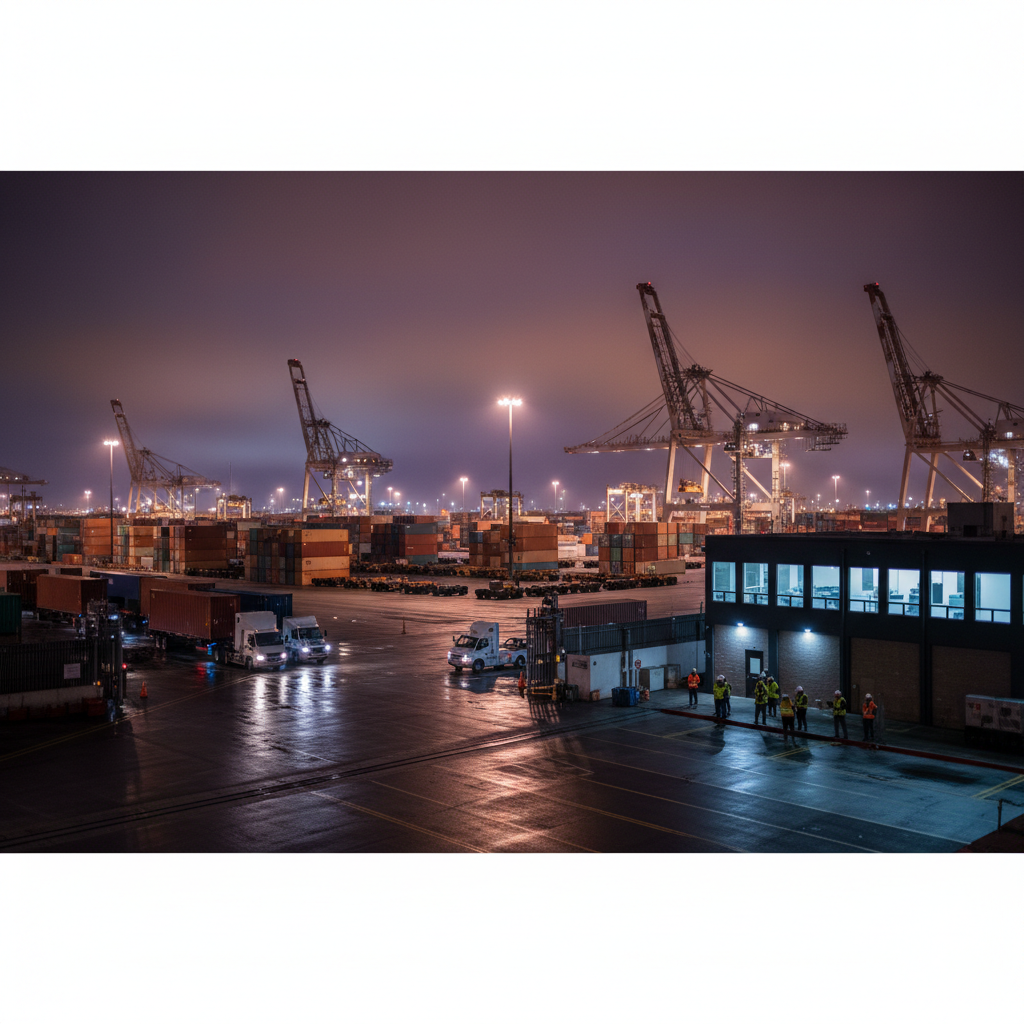 ILWU Watchmen Impasse Threatens Six LA/LB Container Terminals
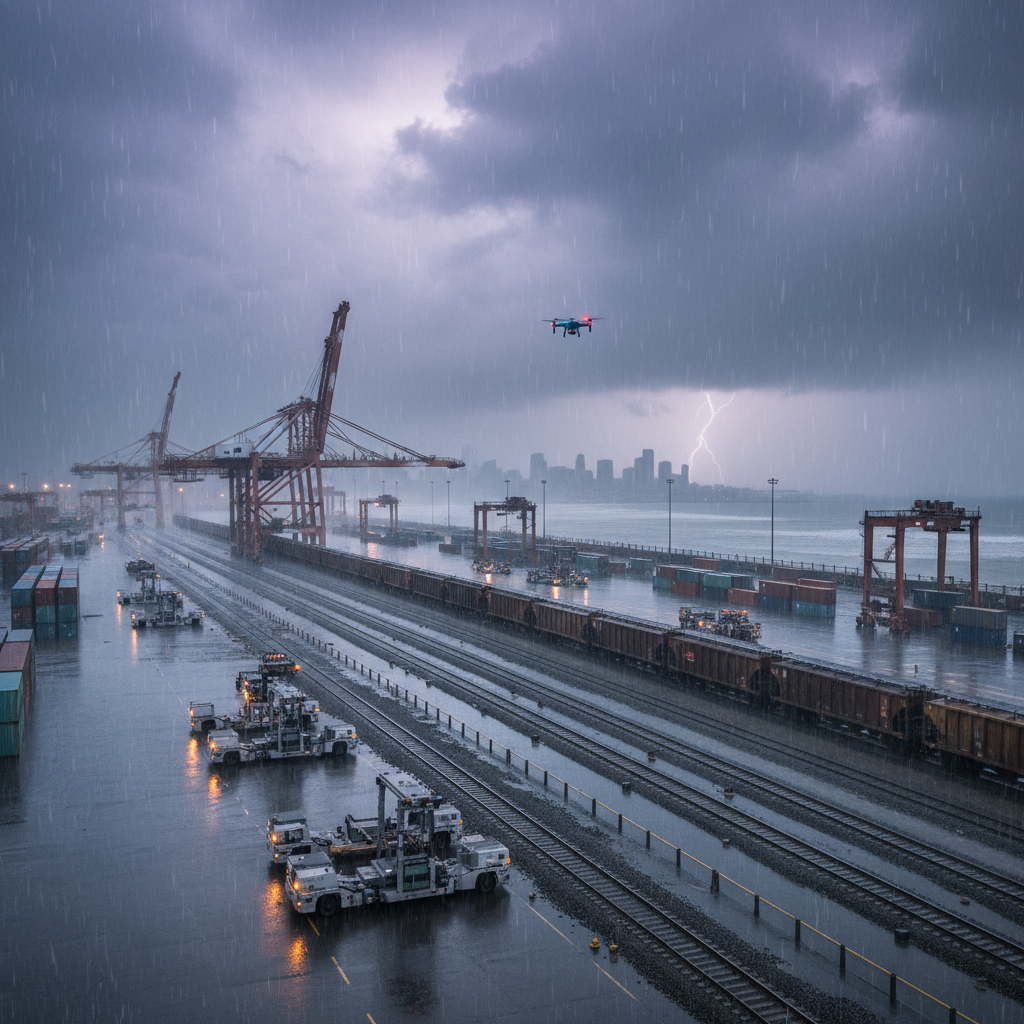 WeatherPersistent Atmospheric Rivers Disrupt US West Coast Port Operations, Inland Rail
 FinancePayPal Appoints New CFO, Restructures Leadership for Three-Year Growth Strategy
 FinanceBarclays: AI Investment to Lead by 2027, Infrastructure Costs a Concern
 GeopoliticsGeopolitical Tensions Force Widespread Rerouting and Elevated Costs for Global Cargo
 WeatherExtreme Weather Events Force Widespread Rerouting and Delays in Cargo Movement
 Control of Supply Chain AI Decision Layer Becomes Primary Strategic Battle
 GeopoliticsRed Sea Service Resumption Rewrites Asia-Europe Carrier Reliability
 FinanceWalmart Raises Annual Outlook for Third Time on Strong Sales
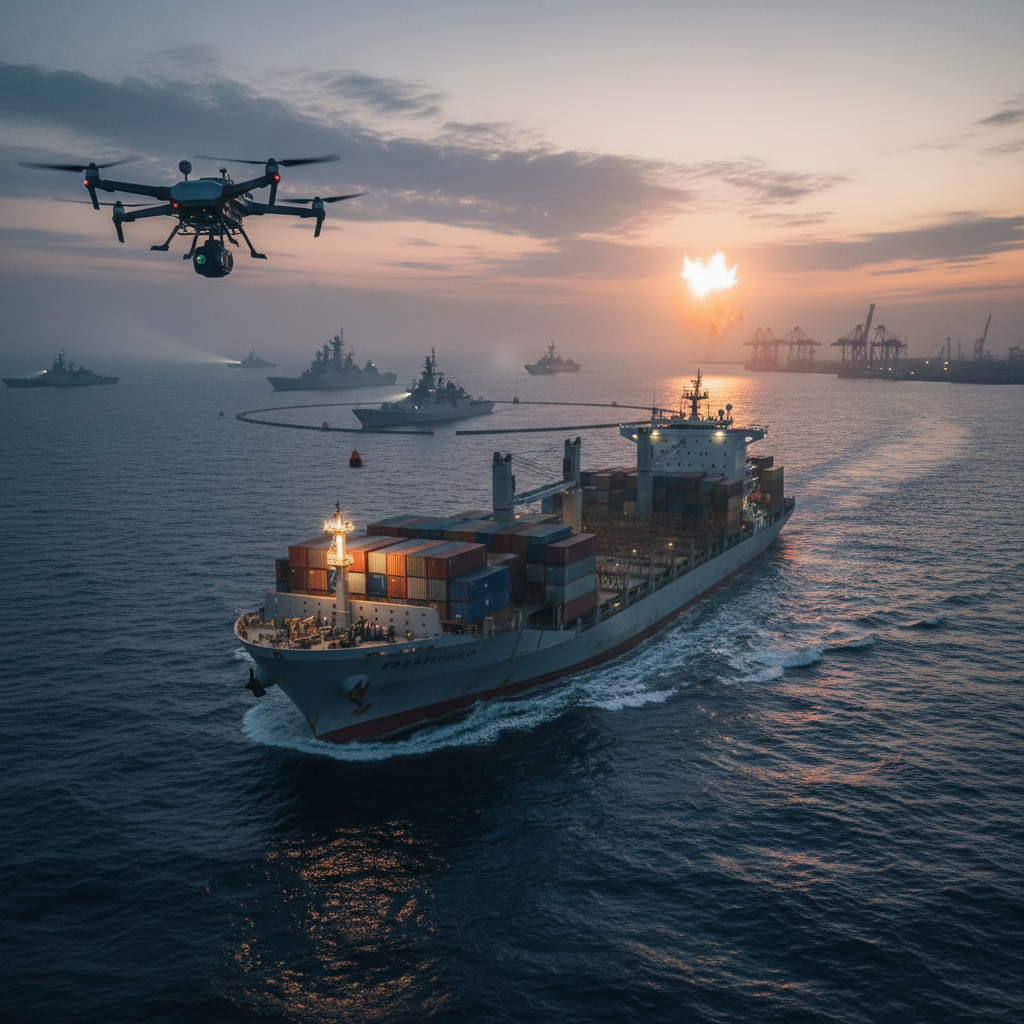 Russia Expands Black Sea Targeting to Ships with Past Ukraine Port Calls

Strait of Hormuz Conflict Elevates Shipping Costs and Rerouting Risks
Continued conflict in the Strait of Hormuz is forcing shippers and carriers to contend with longer transit times, escalating insurance premiums, and the necessity of supply chain diversification. This analysis details the direct consequences for global trade and transport operations.
Carrier reliability ranking
October 2026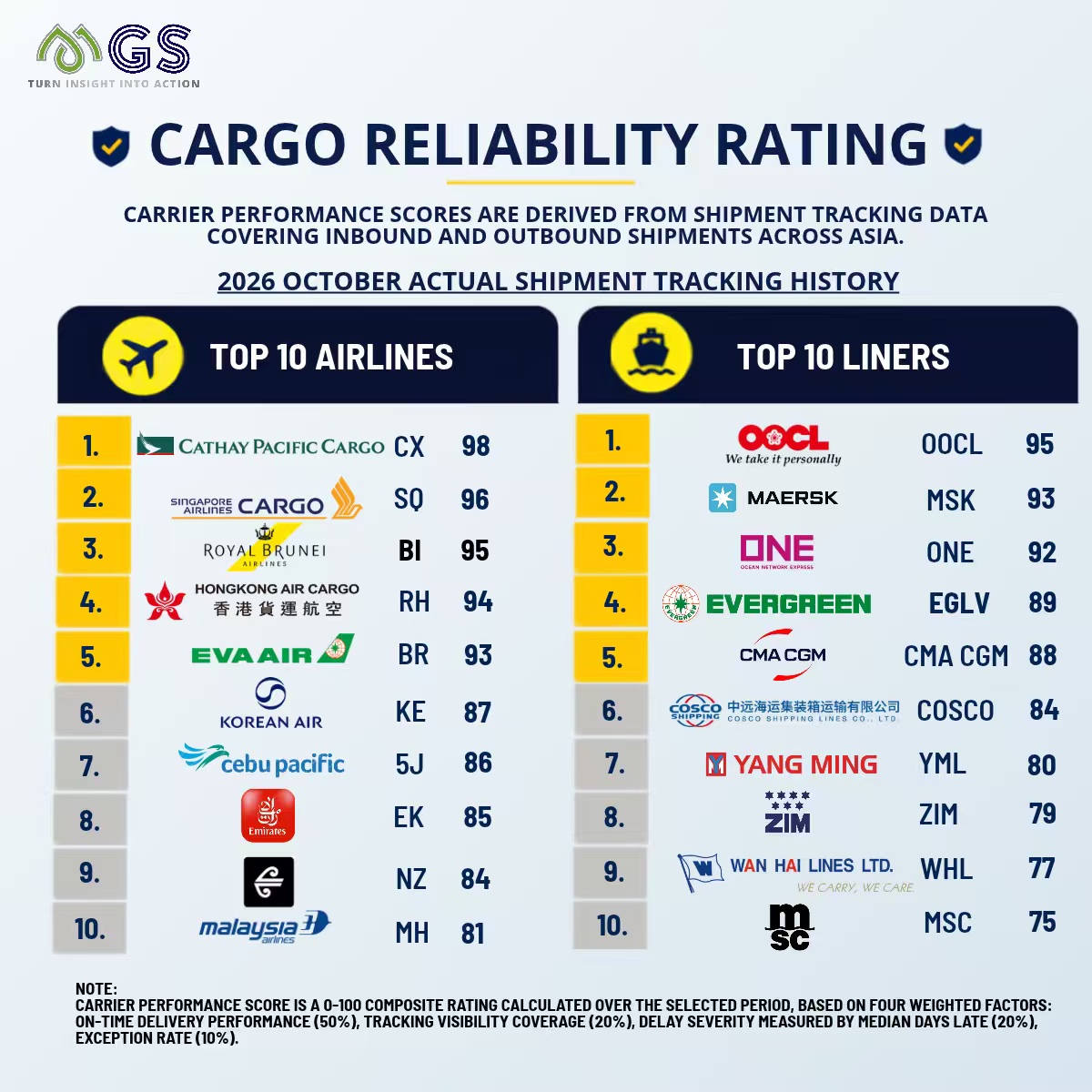 Full ranking & methodology

Philippines' Potential Seafarer Restrictions Threaten Global Shipping Labor Supply

Citadel Securities Warns of Market Pain, Echoing 2018 Downturn Signals

Adani Airport Secures $300 Million Equity for Capacity Expansion to 200 Million Passengers

2026 CNBC Disruptor 50 Indication - How MG Ship Is Building the AI Intelligence Layer for Global Trade

Global Goodwill Assets Reach $10.5 Trillion, Face Interest Rate Headwinds

Kroger Reduces Corporate Role Cost by $87,500 with India Relocation
More from the control tower
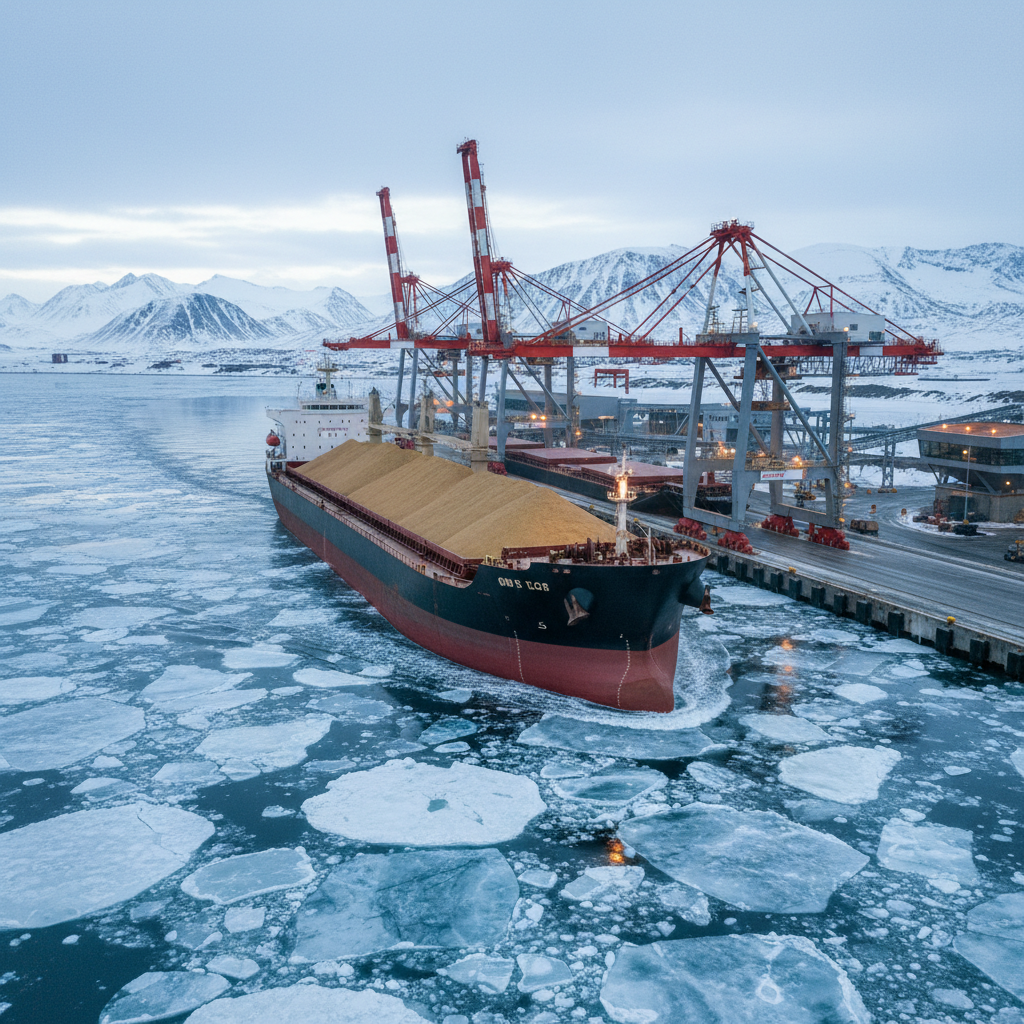
Russian Grain Export Capacity from Baltic, Arctic Ports Quadruples
Geopolitical tensions in the Black Sea region have triggered a significant reorientation of Russian grain exports. Since July, the annual capacity to ship grain from Russia's Baltic Sea and Arctic ports has quadrupled. This dramatic shift has immediate and lasting consequences for global cargo movement, impacting established trade routes, vessel deployment, and the operational economics of agricultural supply chains.
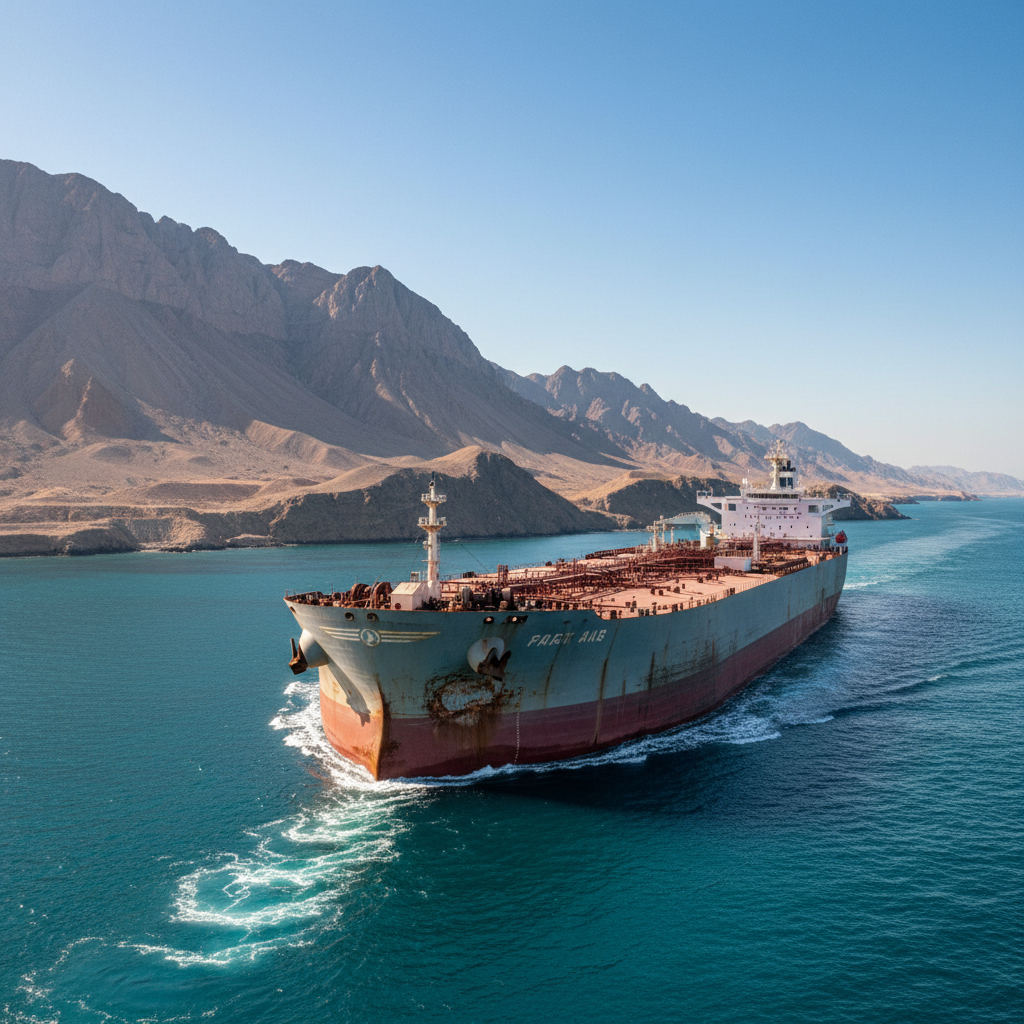
Tanker Struck by Projectile Near Oman on November 21 Escalates Strait of Hormuz Risk
A recent incident involving a tanker struck by a projectile near Oman highlights the escalating security risks for cargo movement through the Strait of Hormuz. This event, occurring 11 nautical miles north of Khasab on November 21, signals potential disruptions for global energy supply chains and necessitates a re-evaluation of risk management strategies for shippers and forwarders.
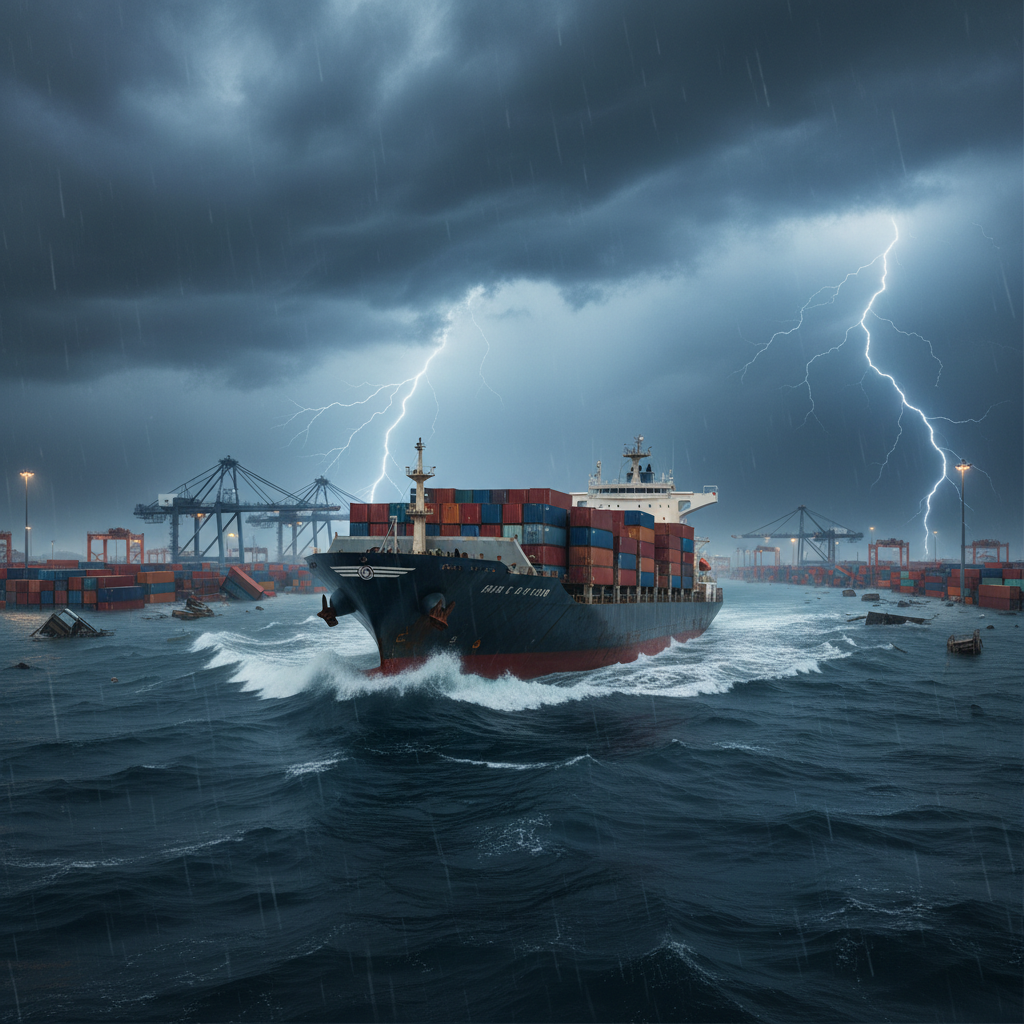
Extreme Weather Events Intensify Global Cargo Delays and Rerouting
Persistent and severe weather phenomena are increasingly disrupting cargo movement across key global trade lanes, affecting ports, inland facilities, and all transport modes. Shippers must adopt proactive strategies to mitigate these growing risks.

Target's Sales Growth Hits Five-Year High, Guidance Raised
Target's recent financial performance, marked by its best sales growth in five years and raised guidance, signals a successful turnaround driven by effective operational and sales strategies.
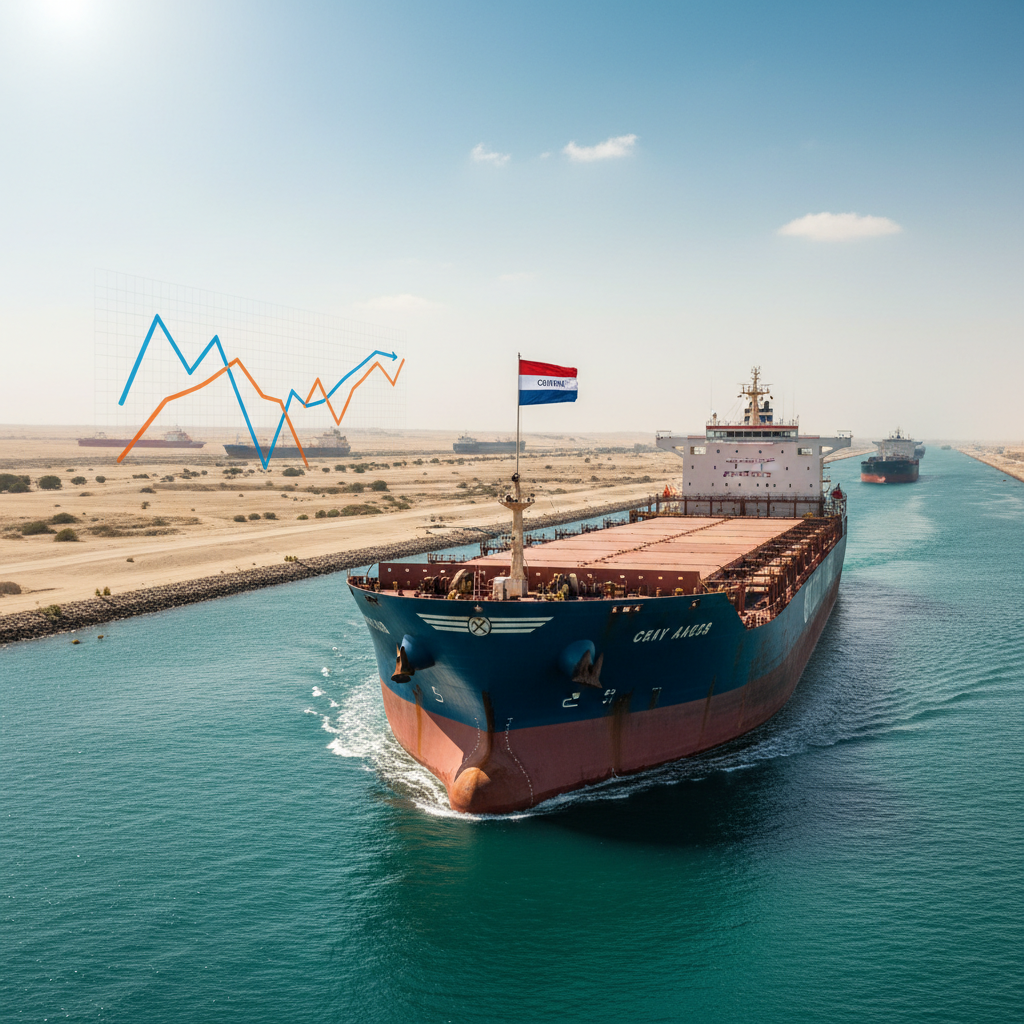
Gemini Alliance Readies Suez Return as Charter Rates Climb Despite Cooling Ocean Freight
The Gemini alliance's planned Suez return signals potential schedule reliability improvements, yet divergent ocean freight and containership charter rates reveal complex market dynamics and rising costs for India-Gulf shippers.

AI Visibility Tools Expose Supply Chain Exception Resolution Gaps
New AI capabilities offer unprecedented insight into supply chain disruptions, but this enhanced visibility often highlights a deeper problem: the lack of clear ownership for resolving these exceptions. This gap between detection and action creates significant financial drag and operational inefficiencies across global supply chains.
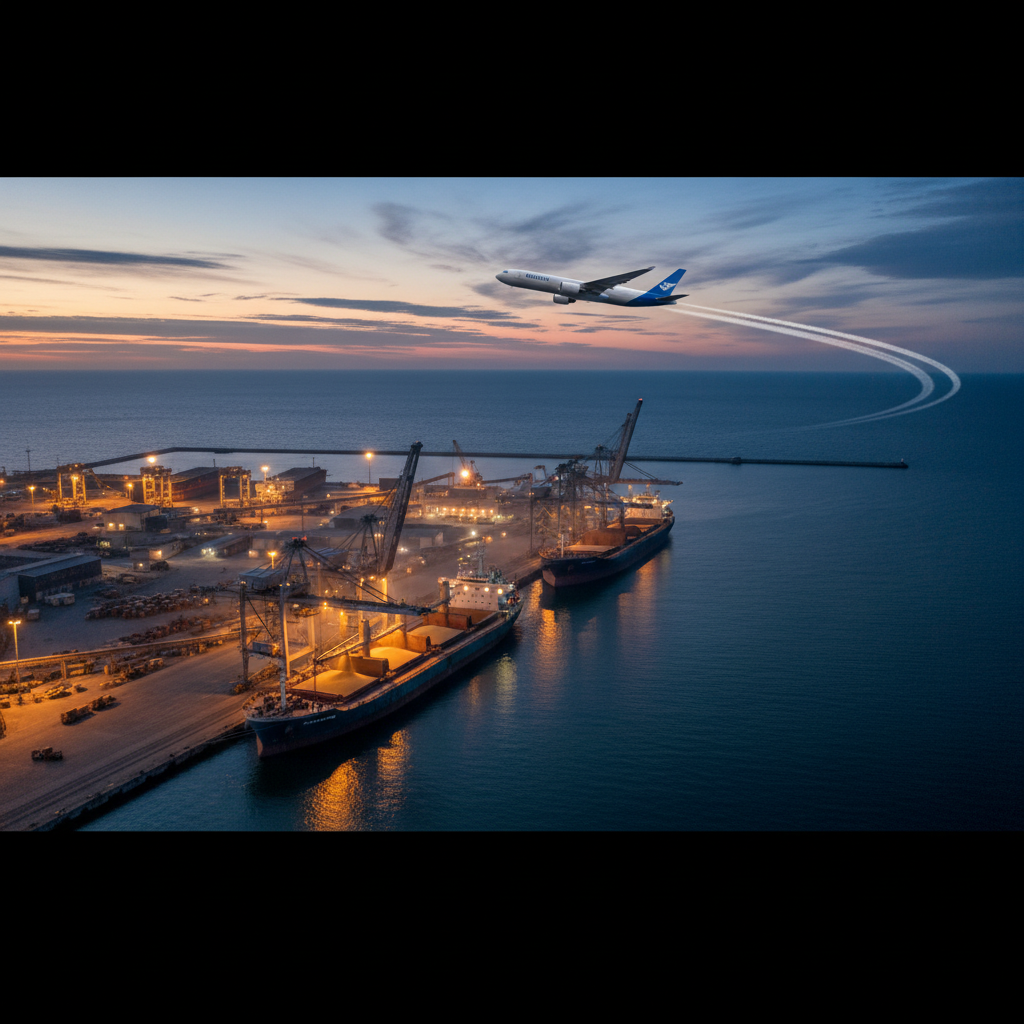
Constanta Port Grain Exports Rise by Double Digits as Black Sea Trade Routes Shift
Geopolitical events are fundamentally reshaping global cargo movement, forcing shippers and forwarders to adapt to new routes, extended transit times, and elevated costs. The double-digit increase in grain exports through Romania's Constanta Port highlights a broader trend of trade flow realignment driven by disruptions in traditional waterways and airspaces.

Houthi Threat to Saudi Red Sea Ports Raises Shipping Rerouting Prospects
A recent Houthi threat to attack Saudi Red Sea ports, contingent on Saudi-led coalition actions against Hodeidah, introduces significant new risks for global maritime trade. This development could force widespread rerouting, elevate insurance premiums, and increase operational costs for shippers and carriers utilizing the critical Red Sea corridor and Suez Canal.

Strait of Hormuz Traffic Down 65% After Six Tanker Attacks in One Week
Maritime traffic through the Strait of Hormuz has plummeted by 65% below pre-conflict levels, following six reported tanker attacks in a single week off Oman. This dramatic reduction signals escalating security risks and forces shippers to re-evaluate critical trade lanes and operational strategies.