
Iran Asserts Hormuz Control as Regional Strikes Escalate
Iran's recent assertion of control over the Strait of Hormuz, coupled with escalating Houthi attacks on Saudi Arabia and strikes in Bahrain, signals a significant increase in regional instability. This development directly threatens global cargo movement through one of the world's key maritime chokepoints, impacting energy supplies and broader trade routes. Shippers and supply chain managers face heightened risks of delays, rerouting, and increased operational costs.
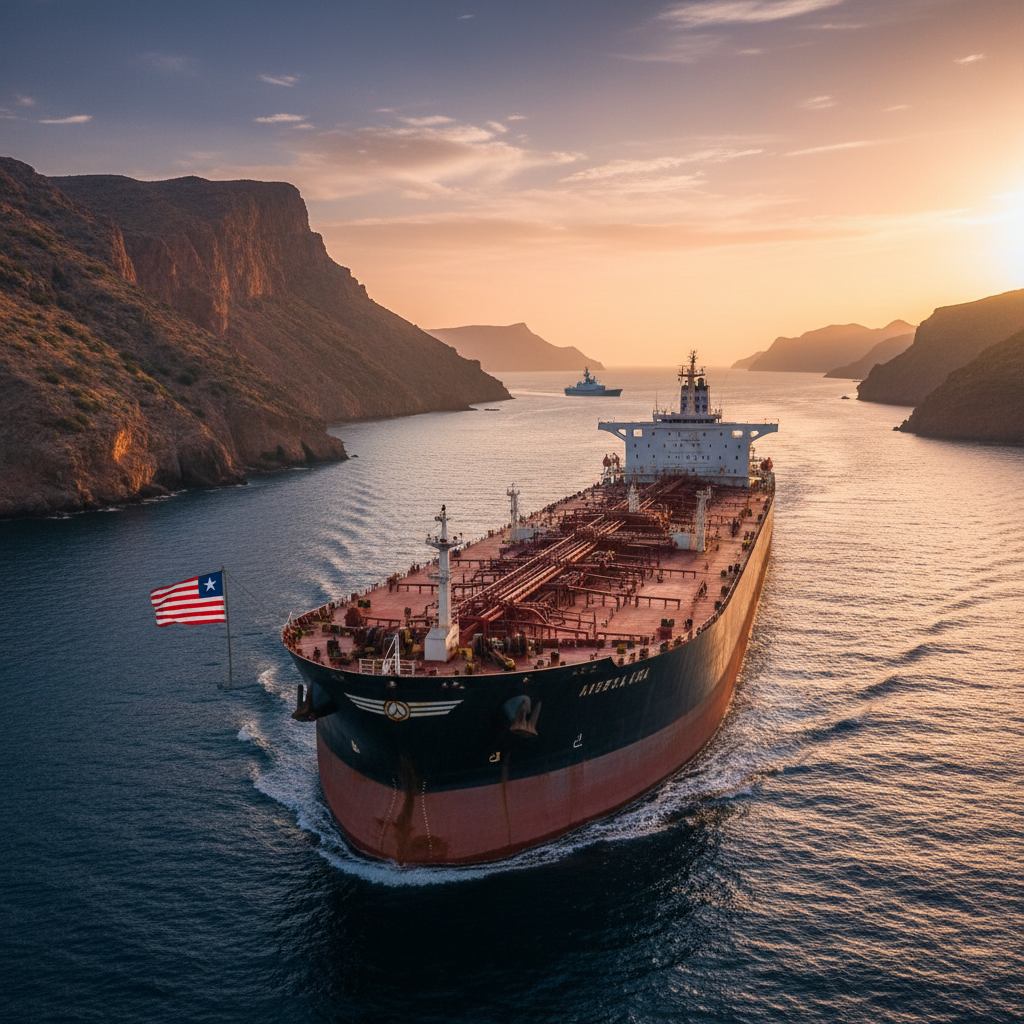
Iran's Claim Over the Strait of Hormuz
The Strait of Hormuz, a narrow waterway connecting the Persian Gulf to the open ocean, has once again become a focal point of geopolitical tension. Iran's recent declaration of control over this important passage, following reported strikes on U.S. air defense radars in Bahrain, introduces a new layer of uncertainty for global shipping. This assertion by Iranian army spokesman Mohammad Akraminia directly challenges the established international understanding of free passage through the strait.
For supply chain operations, the Strait of Hormuz is not merely a geographical feature; it is a key artery for global energy markets. A substantial portion of the world's seaborne oil, liquefied natural gas (LNG), and other petroleum products transit through this chokepoint daily. Any disruption here has immediate and far-reaching consequences for energy prices and supply stability worldwide. Iran's claim, whether enforced through direct action or as a political statement, raises the specter of increased naval presence, potential inspections, or even blockades, all of which would severely impede the flow of cargo.
Shippers relying on this route for crude oil, refined products, and petrochemicals face immediate concerns regarding transit times, security, and the reliability of schedules. The declaration itself, irrespective of physical enforcement, injects a new level of risk premium into maritime insurance rates for vessels operating in the area. This translates directly into higher operational costs for carriers, which are then passed down to cargo owners. The implications extend beyond energy, affecting containerized cargo and bulk commodities moving to and from the Gulf states.
Widening Regional Conflict Beyond the Strait
The situation in the Strait of Hormuz is not isolated; it is part of a broader regional escalation. Renewed Houthi attacks on Saudi Arabia, mentioned in the context of Iran's actions, indicate a widening conflict that extends beyond the immediate vicinity of the strait. These attacks, historically targeting key infrastructure and shipping routes in the Red Sea and Gulf of Aden, now threaten to further destabilize maritime operations across a larger geographical area.
The Houthi actions against Saudi Arabia introduce a dual threat. Firstly, they can directly impact port facilities and energy infrastructure within Saudi Arabia, disrupting export capabilities and creating bottlenecks for cargo destined for or originating from these locations. Secondly, the threat of attacks on vessels in the Red Sea or Gulf of Aden forces shippers to consider alternative routes or implement enhanced security measures. This creates a complex risk matrix for vessels transiting the Bab el-Mandeb Strait, another key chokepoint leading to the Suez Canal.
The interconnectedness of these events means that even if the Strait of Hormuz remains technically open, the broader regional instability could deter shipping or force longer, more expensive rerouting options. The perceived threat level across the entire Arabian Peninsula and its surrounding waters has increased, compelling carriers to re-evaluate their risk exposure and potentially adjust their service offerings or impose surcharges. This regional volatility complicates planning for all modes of transport, as air cargo and overland routes may also face indirect pressures from heightened security concerns or diverted resources.
Direct Impacts on Gulf Shipping and Energy Flows
The combined effect of Iran's assertion over Hormuz and the escalating regional strikes directly impacts specific shipping lanes, port facilities, and cargo modes. The primary lanes affected are those traversing the Persian Gulf, the Strait of Hormuz, and the Gulf of Oman. Vessels entering or exiting major ports in Saudi Arabia, UAE, Qatar, Kuwait, and Iraq are now operating under increased scrutiny and potential threat.
Port facilities across the Gulf region, including important hubs like Jebel Ali (UAE), Dammam (Saudi Arabia), and Hamad Port (Qatar), face potential disruptions. While these ports themselves may not be direct targets of the Hormuz assertion, their access to international waters is entirely dependent on the strait. Any slowdown, inspection regime, or security incident within Hormuz would create backlogs and delays at these important facilities, impacting vessel turnaround times and port efficiency. This ripple effect would extend to inland logistics, as cargo movement to and from these ports would be affected.
The most immediately affected mode is maritime shipping, particularly oil and gas tankers. The sheer volume of energy products passing through Hormuz makes them highly vulnerable to any escalation. However, container ships carrying manufactured goods, bulk carriers transporting raw materials, and even specialized vessels for project cargo also face significant operational challenges. Rerouting options, such as the Sumed Pipeline for oil or longer voyages around the Cape of Good Hope, are costly and add considerable transit time, impacting supply chain predictability and inventory management. These alternatives are not viable for all cargo types or volumes, especially for time-sensitive goods.
Mitigating Risk in a Volatile Maritime Environment
Given the heightened risks, shippers and supply chain managers must implement strong strategies to mitigate potential disruptions. The first step involves enhanced visibility and real-time monitoring of vessel movements and geopolitical developments in the region. Staying informed about advisories from maritime security organizations and flag states is essential for making timely decisions.
Diversification of supply routes and sourcing locations should be a priority where feasible. For cargo that absolutely must transit the Gulf, exploring alternative ports within the region that might offer different risk profiles, or utilizing multimodal solutions that combine sea and land transport, could reduce exposure. However, such alternatives often come with increased costs and complexity.
Shippers should also review their contractual agreements with carriers and forwarders, paying close attention to clauses related to war risk surcharges, force majeure, and rerouting options. Understanding the financial implications of potential diversions or delays is essential for budgeting and risk assessment. Building stronger relationships with multiple carriers and logistics providers can offer flexibility in securing capacity on alternative routes or modes should primary lanes become unviable.
Finally, maintaining higher levels of safety stock for key components or finished goods that rely on Gulf transit can provide a buffer against unexpected delays. While this increases inventory holding costs, it can prevent production stoppages or stockouts, which often carry a higher financial penalty. Proactive communication with customers and suppliers about potential disruptions is also key to managing expectations and maintaining supply chain integrity.
Hormuz Instability Demands Immediate Supply Chain Review
The assertion of control over the Strait of Hormuz by Iran, coupled with escalating regional strikes, creates an immediate and critical challenge for global supply chains. The increased risk of disruption to a strategic chokepoint and surrounding waters necessitates urgent review of existing shipping routes, security protocols, and contingency plans. Shippers must prepare for potential delays, rerouting, and elevated operational costs, particularly for energy and time-sensitive cargo.
This verdict could prove wrong if the current rhetoric does not translate into sustained physical interference with commercial shipping. A rapid de-escalation of regional tensions, perhaps through diplomatic breakthroughs or a clear demonstration of international resolve to maintain freedom of navigation, would significantly reduce the perceived threat and allow for a return to more predictable shipping conditions.
Source: Hellenic Shipping News — https://www.hellenicshippingnews.com/iran-asserts-control-over-hormuz-as-strikes-on-bahrain-saudi-arabia-escalate/