
Strait of Hormuz Traffic Down 65% After Six Tanker Attacks in One Week
Maritime traffic through the Strait of Hormuz has plummeted by 65% below pre-conflict levels, following six reported tanker attacks in a single week off Oman. This dramatic reduction signals escalating security risks and forces shippers to re-evaluate critical trade lanes and operational strategies.
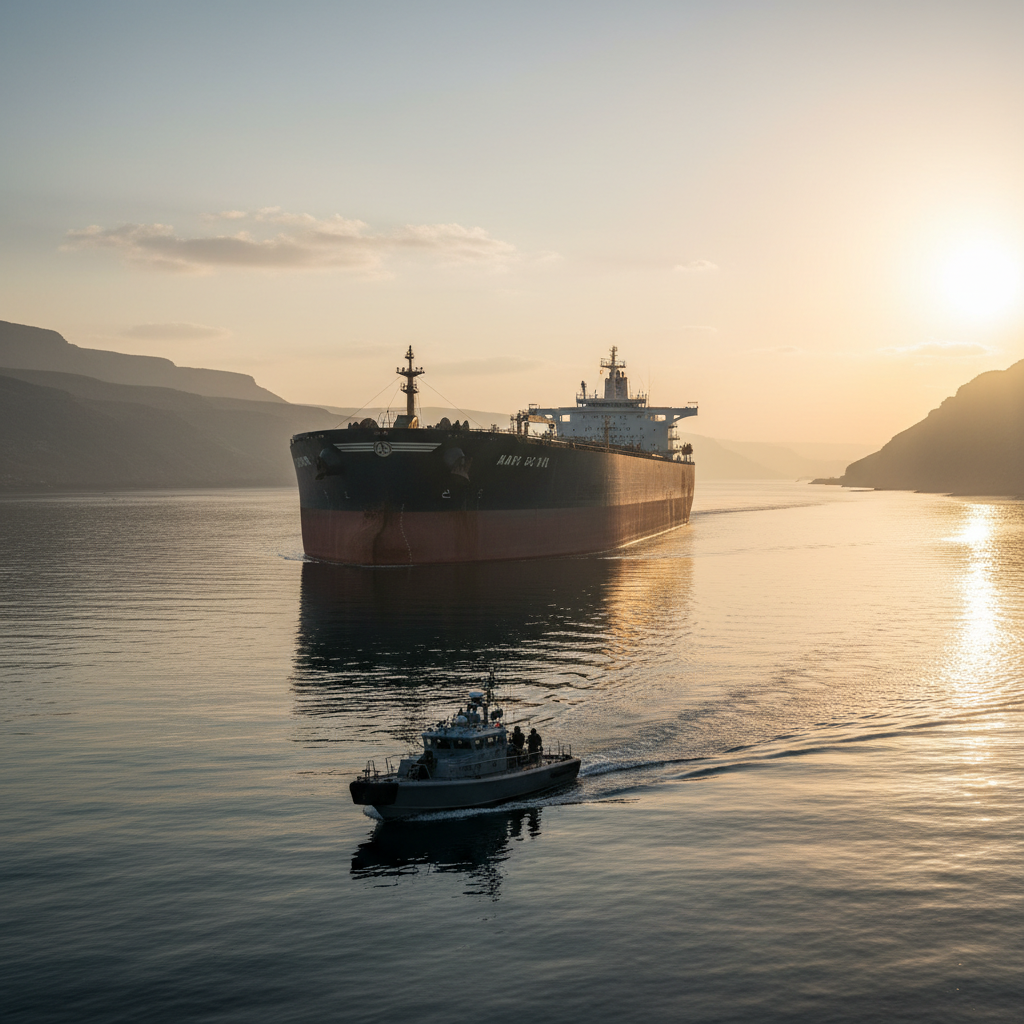
Strait of Hormuz Traffic Plummets 65% Amid Attacks
The Strait of Hormuz, a narrow waterway connecting the Persian Gulf to the open ocean, has seen a dramatic reduction in maritime traffic. Recent data indicates that shipping volumes through this channel are approximately 65% below pre-conflict levels. This sharp decline reflects heightened security concerns following a series of incidents. In a single week in mid-November, six tanker attacks were reported, leading to missing seafarers after strikes occurred off the coast of Oman. This concentration of hostile actions has directly impacted the flow of cargo, particularly energy shipments, through one of the world's most important maritime choke points. The sustained reduction in traffic suggests that shippers and carriers are actively avoiding the area or significantly altering their operational patterns. The economic implications of such a sustained reduction in throughput are substantial, affecting global energy markets and supply chains reliant on this passage. The incidents off Oman highlight a deteriorating security environment that directly threatens the safety of vessels and personnel. This situation demands immediate attention from supply chain managers assessing their exposure to regional instability.
Tanker Attacks Elevate Risk for Energy Shipments Off Oman
The recent spate of six tanker attacks, specifically off Oman, has introduced an elevated risk profile for all maritime operations in the region. These incidents, which resulted in seafarers going missing, directly target vessels carrying energy products, given the Strait of Hormuz's primary role in global oil and gas transit. The 65% drop in overall traffic through the Strait suggests that a considerable portion of the tanker fleet, and potentially other cargo vessels, is either rerouting or delaying voyages. This avoidance behavior is a direct response to the perceived threat, as the financial and human costs of an attack are immense. Insurance premiums for vessels operating in the area have likely surged, adding to operational expenses. Furthermore, the attacks create uncertainty regarding delivery schedules and cargo integrity, forcing shippers to re-evaluate their risk tolerance for this specific lane. The targeting of tankers has widespread consequences for global energy supply, potentially leading to price volatility and concerns about energy security for importing nations. The immediate consequence is a disruption to the reliable movement of crude oil, refined products, and liquefied natural gas from the Middle East to markets worldwide.
Broader Supply Chain Repercussions Across Global Lanes
While the immediate impact of the Strait of Hormuz attacks falls on energy tankers, the broader implications extend to diverse cargo movements and global trade lanes. The 65% reduction in overall traffic through this waterway means that general cargo, container ships, and bulk carriers may also be facing increased scrutiny, higher insurance costs, or pressure to reroute. Any vessel transiting the Strait of Hormuz now operates under a heightened threat level, regardless of its cargo. This situation forces supply chain planners to consider alternative routes, such as longer journeys around the Arabian Peninsula, which add significant transit time and fuel costs. These extended voyages consume more resources, strain vessel availability, and can lead to delays in downstream supply chains. For shippers, this translates into higher freight rates, longer lead times, and increased inventory holding costs. The disruption also impacts port operations in the Persian Gulf, as reduced vessel calls affect throughput and efficiency. Countries heavily reliant on imports or exports via the Strait of Hormuz, particularly in Asia and Europe, face direct economic consequences from these prolonged disruptions. The cumulative effect of these challenges can strain global logistics networks, making it harder to maintain predictable and cost-effective cargo flows.
Strategic Adjustments for Maritime Operations
In response to the sustained security threats and the 65% drop in traffic through the Strait of Hormuz, shippers and forwarders must implement several strategic adjustments. The first involves a thorough reassessment of route planning for any cargo originating from or destined for the Persian Gulf. This includes evaluating the feasibility and cost-effectiveness of alternative sea lanes, even if they involve longer distances. Secondly, engaging closely with maritime security providers and insurance brokers becomes essential to understand the evolving risk landscape and manage associated costs. Premiums for war risk insurance have likely escalated, requiring careful budgeting and negotiation. Thirdly, diversifying sourcing and distribution points away from areas directly impacted by the Strait of Hormuz instability can mitigate future disruptions. This might involve exploring new suppliers or establishing regional hubs that bypass the affected choke point. Finally, enhancing visibility into vessel movements and regional security advisories allows for more agile decision-making. Proactive communication with carriers and consignees about potential delays and revised schedules is also necessary to manage expectations and maintain customer confidence. These measures aim to build more resilient supply chains capable of absorbing shocks from geopolitical events.
Hormuz Attacks Demand Immediate Supply Chain Re-evaluation
The persistent security threats in the Strait of Hormuz, evidenced by the 65% traffic reduction and recent tanker attacks, necessitate immediate and decisive action from supply chain stakeholders.
- Review all current and planned shipments through the Strait of Hormuz for potential rerouting or increased security measures.
- Engage with insurance providers to understand current war risk premiums and coverage limitations for vessels operating in the region.
- Evaluate alternative sourcing and distribution strategies to reduce reliance on the Strait of Hormuz for critical goods.
- Communicate proactively with all partners regarding potential delays and cost increases stemming from regional instability.
Source: Marine Insight — https://www.marineinsight.com/strait-hormuz-shipping-65-below-tanker-attacks/?utm_source=rss&utm_medium=rss&utm_campaign=strait-hormuz-shipping-65-below-tanker-attacks