
Extreme Weather Events Intensify Global Cargo Delays and Rerouting
Persistent and severe weather phenomena are increasingly disrupting cargo movement across key global trade lanes, affecting ports, inland facilities, and all transport modes. Shippers must adopt proactive strategies to mitigate these growing risks.
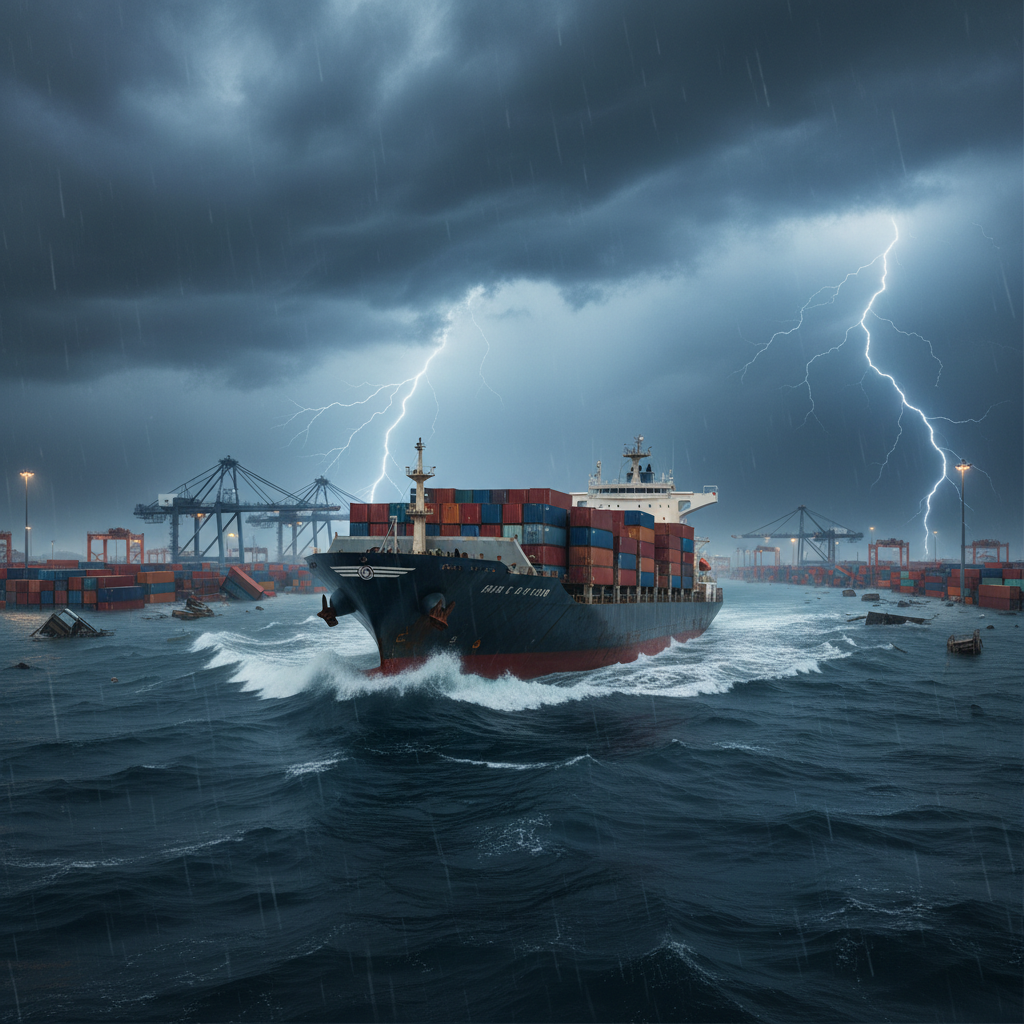
Global Weather Patterns Shift Cargo Flows
The frequency and intensity of extreme weather events are escalating worldwide, fundamentally altering the predictability of global cargo movement. Phenomena such as atmospheric rivers, severe tropical storms, prolonged heatwaves, and unprecedented heavy rainfall now routinely challenge established logistics networks. These events directly impact physical infrastructure, leading to closures, damage, and reduced operational capacity across various regions. The consequences are far-reaching, manifesting as major delays, constrained capacity, forced rerouting, and ultimately, increased operational costs for shippers. Unlike localized, transient disruptions, these weather patterns often affect broad geographical areas for extended periods, creating systemic pressures on supply chains. The cumulative effect of these recurring events demands a re-evaluation of traditional risk management approaches, moving beyond reactive responses to more anticipatory and adaptive strategies. Understanding these evolving weather patterns is the first step in building more robust supply chain operations.
Key Trade Lanes and Facilities Under Pressure
Major trade arteries and key logistics facilities are increasingly vulnerable to these shifting weather patterns. Along the Trans-Pacific lane, for instance, atmospheric rivers frequently bring torrential rains and high winds to the US West Coast, leading to port closures, reduced crane operations, and flooding at intermodal rail yards. This directly impacts the flow of goods from Asia, causing backlogs at major gateways like Los Angeles and Long Beach, and subsequent delays in inland distribution. In Europe, fluctuating river levels due to droughts or excessive rainfall disrupt barge traffic on vital waterways like the Rhine, affecting industrial supply chains reliant on these feeder services. Severe winter storms routinely impact North Atlantic shipping, forcing vessels to reroute or delay port calls, extending transit times for goods moving between North America and Europe. In Asia, the annual typhoon season brings widespread disruption, leading to port closures, flight cancellations, and road network damage across key manufacturing and consumption hubs. These localized disruptions quickly cascade through interconnected networks, creating bottlenecks that ripple across continents and modes of transport.
Multi-Modal Disruptions Challenge Supply Chain Planning
No single mode of transport remains immune to the effects of extreme weather, creating complex challenges for integrated supply chain planning. Ocean freight faces port closures, vessel diversions to avoid severe storms, and increased fuel consumption due to longer routes or slower speeds. These factors directly extend transit times and elevate shipping costs. Rail operations are frequently hampered by track washouts from flooding, heat-induced speed restrictions to prevent rail buckling, and cold weather affecting air brake systems, leading to major delays in inland cargo movement. Road transport encounters flooded highways, bridge closures, reduced visibility, and safety concerns for drivers, all of which impede timely deliveries and increase last-mile costs. Air cargo, while often seen as a faster alternative, is subject to airport closures, flight cancellations due to high winds or heavy snowfall, and delays in ground handling operations. The interconnected nature of modern logistics means that a disruption in one mode often necessitates a shift to another, placing additional strain on already stressed networks and demanding flexible, adaptive planning from shippers.
Shippers Adapt to Unpredictable Weather Risks
To mitigate the growing impact of weather-related disruptions, shippers are implementing several proactive strategies. Diversification of logistics partners and routes is becoming a standard practice, spreading cargo across multiple ports, carriers, and transport modes to avoid over-reliance on a single vulnerable pathway. Building flexibility into contracts and operational networks allows for rapid adaptation to unforeseen events, enabling quick rerouting or modal shifts when disruptions occur. Enhanced utilization of advanced weather forecasting and real-time cargo tracking technologies provides earlier warnings and better visibility, allowing for more informed decision-making and pre-emptive action. Adjusting inventory management strategies, such as increasing safety stock levels for essential components or finished goods, helps buffer against potential delays and ensures continuity of supply. Furthermore, maintaining clear and constant communication with all logistics partners—from carriers to warehousing providers—is essential for coordinating responses and managing expectations during periods of uncertainty. These measures collectively aim to build more resilient supply chains capable of withstanding unpredictable environmental challenges.
Proactive Planning Essential for Weather Resilience
The persistent and intensifying nature of global weather events necessitates a fundamental shift in supply chain management. Reactive measures are no longer sufficient to maintain consistent cargo flow and meet delivery schedules. Shippers must embed strategic, forward-looking approaches into their operational frameworks, prioritizing flexibility, diversification, and advanced data utilization. Building a truly resilient supply chain in this era of climate volatility requires continuous risk assessment and a commitment to adaptive planning, ensuring business continuity despite environmental challenges.
Source: gCaptain — https://gcaptain.com/southern-california-port-employers-watchmen-union-reach-tentative-deal/