
ILWU Watchmen Impasse Threatens Six LA/LB Container Terminals
A potential strike by ILWU Local 26 watchmen at the Ports of Los Angeles and Long Beach could halt operations at six container terminals, disrupting over half of San Pedro Bay's cargo flow and triggering widespread supply chain and financial repercussions.
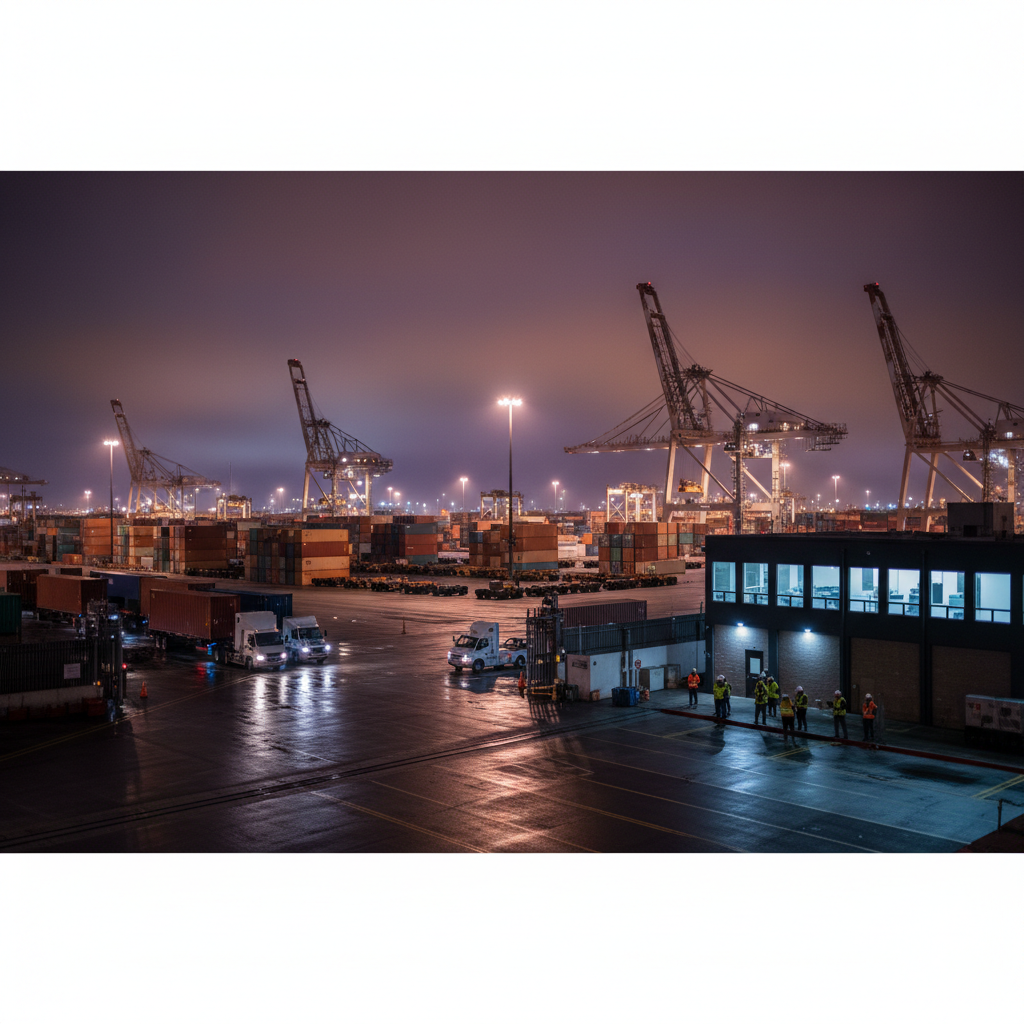
Potential Halt at San Pedro Bay's Core Operations
The Ports of Los Angeles and Long Beach, vital gateways for trans-Pacific trade, face an immediate threat of operational paralysis. Negotiations between the Pacific Maritime Association (PMA) and ILWU Local 26, representing port watchmen, have reached an impasse. Should a strike materialize, six container terminals within these ports could cease operations. These terminals collectively handle more than half of the cargo moving through the San Pedro Bay complex. The watchmen's role is fundamental to port security and access control, meaning their absence would effectively prevent the movement of goods, even if other labor groups remain on the job. This situation creates an immediate bottleneck for inbound cargo destined for the United States and outbound exports, directly impacting inventory levels for retailers and manufacturers across the continent.
The timing of this potential disruption is particularly concerning. While the specific date of a strike is not yet known, any stoppage would occur as businesses prepare for year-end inventory adjustments and early-year replenishment cycles. The sheer volume of cargo typically processed through these ports means that even a short-term cessation of activities would quickly generate a substantial backlog. Vessels would be forced to anchor offshore, incurring waiting times and demurrage charges, or divert to alternative ports. This scenario would not only delay deliveries but also introduce considerable uncertainty into planning for shippers and logistics providers who rely on predictable transit times through these major West Coast hubs.
Far-Reaching Supply Chain Diversions and Delays
The immediate consequence of a shutdown at Los Angeles and Long Beach would be a forced re-evaluation of shipping routes for cargo originating from Asia. Shippers would likely explore diversions to other North American ports, including those on the U.S. East Coast, Gulf Coast, or even Canadian and Mexican ports. This shift, however, is not without its own set of challenges. East Coast and Gulf Coast ports, while offering alternative entry points, often involve longer ocean transit times from Asia, adding days or even weeks to delivery schedules. Furthermore, the existing infrastructure at these alternative ports, including berth availability, crane capacity, and inland transportation networks (rail and trucking), may struggle to absorb a sudden, significant surge in volume. This could lead to new congestion points, further exacerbating delays across the broader supply chain network.
Diversion also entails increased inland transportation costs and complexities. Cargo rerouted to distant ports would require longer rail or truck hauls to reach its final destination, increasing fuel consumption, labor costs, and potentially straining available capacity in those modes. Chassis availability, a recurring issue in port operations, could become a problem at receiving ports as equipment is tied up in longer hauls or repositioning efforts. The entire network of intermodal connections, from port to rail ramp to distribution center, would experience pressure, leading to extended lead times and reduced reliability for goods moving through the system. This chain reaction affects everything from consumer goods to industrial components, impacting production schedules and product availability nationwide.
Escalating Financial Burdens for Global Trade
Financial implications of a strike at Los Angeles and Long Beach would be substantial and widespread. Shippers would face immediate cost increases from various angles. Spot freight rates, particularly for trans-Pacific routes, would likely surge as demand for available capacity at alternative ports intensifies. Carriers, while potentially benefiting from higher rates, would also incur additional expenses from vessel diversions, increased fuel consumption for longer routes, and potential penalties for delayed schedules. Demurrage and detention charges, levied on containers held at ports or chassis not returned on time, would accumulate rapidly as congestion builds and cargo movement slows.
Beyond direct shipping costs, businesses would grapple with the broader economic fallout. Delays in receiving raw materials or components could force manufacturing slowdowns or shutdowns, leading to lost production and revenue. Retailers could face stockouts of popular items, resulting in lost sales and damage to customer loyalty. The need for expedited shipping, often via more expensive air freight, would become a necessity for time-sensitive goods, further eroding profit margins. Insurance premiums for cargo could also see an uptick, reflecting the heightened risk of delays and potential damage during prolonged transit or storage. Ultimately, these increased costs would either be absorbed by businesses, impacting their profitability, or passed on to consumers, contributing to inflationary pressures across various sectors of the economy.
LA/LB Watchmen Dispute Poses Immediate, Costly Disruption
The impasse in negotiations between the PMA and ILWU Local 26 presents a clear and present danger to the operational fluidity and financial stability of the global supply chain, particularly for goods moving through the critical San Pedro Bay ports. A strike would immediately halt a significant portion of cargo flow, forcing costly diversions and creating a ripple effect of delays and increased expenses for shippers, carriers, and consumers alike.
This assessment could prove overly pessimistic if a swift resolution is reached before any strike action commences, or if alternative ports and inland logistics networks demonstrate an unexpected capacity to absorb diverted cargo without significant new bottlenecks. A rapid agreement, perhaps facilitated by external mediation, would mitigate most of the projected disruptions, allowing normal operations to resume before widespread impacts materialize.
Source: AJOT — https://www.ajot.com/insights/full/ai-pma-says-talks-with-ilwu-watchmen-at-an-impasse-shutdown-of-la-lb-ports-looms