
Russian Grain Export Capacity from Baltic, Arctic Ports Quadruples
Geopolitical tensions in the Black Sea region have triggered a significant reorientation of Russian grain exports. Since July, the annual capacity to ship grain from Russia's Baltic Sea and Arctic ports has quadrupled. This dramatic shift has immediate and lasting consequences for global cargo movement, impacting established trade routes, vessel deployment, and the operational economics of agricultural supply chains.
Geopolitical tensions in the Black Sea region have triggered a significant reorientation of Russian grain exports. Since July, the annual capacity to ship grain from Russia's Baltic Sea and Arctic ports has quadrupled. This dramatic shift has immediate and lasting consequences for global cargo movement, impacting established trade routes, vessel deployment, and the operational economics of agricultural supply chains.
Baltic and Arctic Ports Absorb Black Sea Grain Volume
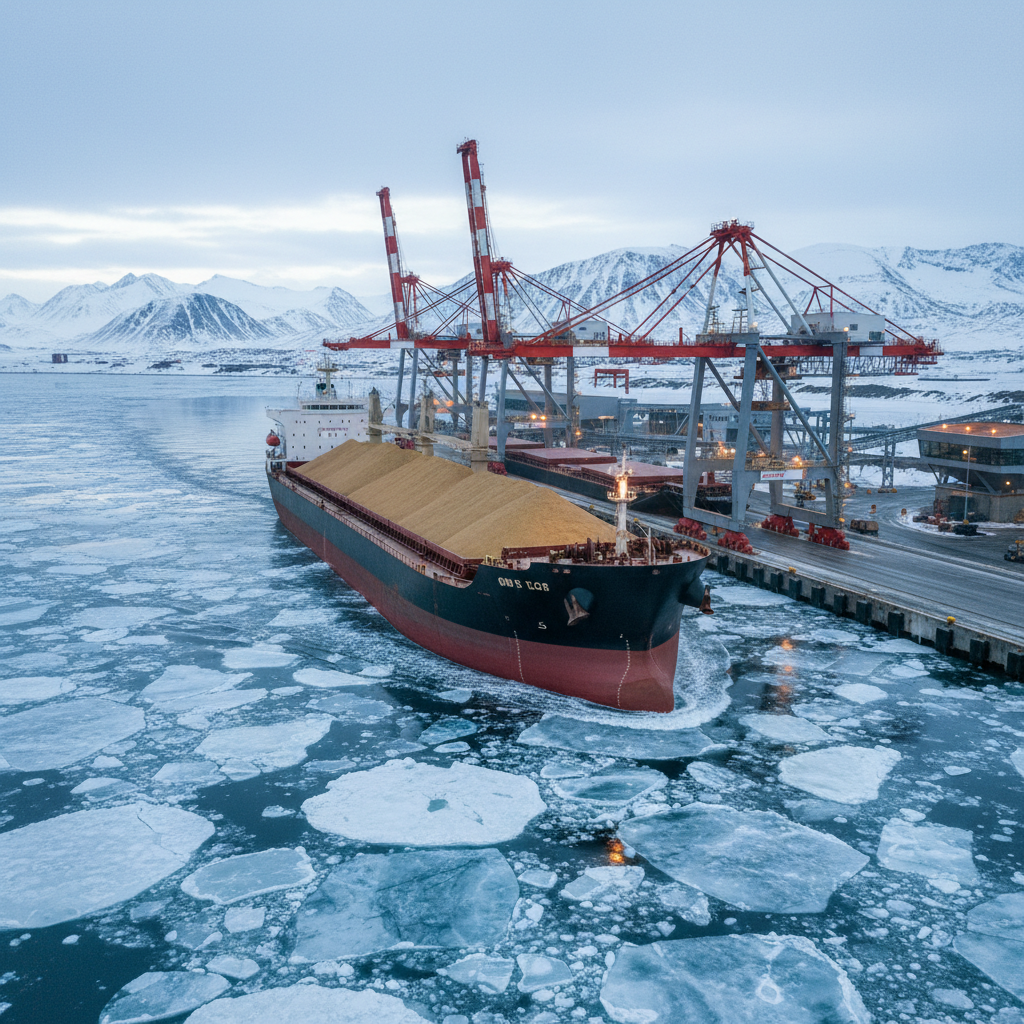
The quadrupling of Russian grain export capacity from its northern ports represents a substantial redirection of commodity flows away from traditional Black Sea routes. This rapid expansion, occurring since July, means a considerable volume of grain that would historically transit the Black Sea is now being channeled through the Baltic and Arctic regions. For shippers and forwarders, this translates into an immediate increase in vessel traffic and demand for port services in these northern areas. Ports like Ust-Luga, St. Petersburg, Murmansk, and Arkhangelsk are now handling significantly larger volumes of agricultural bulk cargo, necessitating adjustments in their operational planning, berth allocation, and hinterland logistics. The shift places increased pressure on existing rail and road networks connecting inland grain-producing regions to these newly emphasized export hubs. This rebalancing of export infrastructure also implies a change in the types of vessels deployed, with a potential rise in demand for ice-class bulk carriers, particularly for Arctic routes during colder months, adding a layer of complexity to fleet management and scheduling.
Longer Transit Times and Higher Operating Costs for Grain Shipments
The redirection of grain exports from the Black Sea to Baltic and Arctic ports inherently introduces longer transit times for many destination markets, particularly those in the Mediterranean, Africa, and Asia. A voyage from a Baltic port to, for example, Egypt or China, is considerably longer than from a Black Sea port. This extended journey directly impacts fuel consumption, increasing operational costs for carriers. Furthermore, the need for ice-class vessels on Arctic routes, or even for Baltic operations during winter, can add to charter rates and operational expenses due to specialized equipment and higher insurance premiums associated with navigating challenging conditions. For supply chain managers, these longer lead times necessitate adjustments in inventory management, forecasting, and procurement strategies to account for the extended pipeline. The overall cost of delivering Russian grain to international markets is likely to rise due to these factors, potentially influencing global commodity prices and competitive dynamics among grain-exporting nations. The shift also requires a re-evaluation of risk profiles, moving from the immediate security concerns of the Black Sea to the logistical and environmental challenges of northern maritime environments.
Global Grain Market Adjusts to Altered Supply Chains
The rapid expansion of Russian grain export capacity in the Baltic and Arctic regions, quadrupling since July, forces a significant adjustment across the global grain market. Buyers who traditionally relied on Black Sea shipments must now contend with altered supply chain configurations, including longer delivery schedules and potentially higher landed costs. This situation can lead to increased price volatility as markets react to changes in supply predictability and transport economics. For other major grain-exporting countries, this reorientation could subtly shift competitive landscapes, as the logistical challenges and costs associated with Russian exports from northern ports might make alternative sources more attractive for certain buyers. Furthermore, the long-term implications include potential investments in new port infrastructure, storage facilities, and logistics corridors in the Baltic and Arctic regions to sustain these elevated export volumes. This strategic pivot by Russia underscores the critical need for supply chain resilience and adaptability in the face of geopolitical disruptions, compelling all stakeholders to reassess their sourcing, routing, and risk mitigation strategies for agricultural commodities.
Source: Maritime Professional — https://www.maritimeprofessional.com/news/russian-grain-export-capacity-from-424432