
MGS Insights
The Control Tower
For enquiries on articles, speaking opportunities and general inspiration with industry data trends — write to us!
 Data InsightsThe Evolving WMS: From Warehouse Core to Supply Chain Nerve Center
 OperationsAI's Quiet Revolution: Beyond Job Cuts to Supply Chain Structure Transformation
 FinanceStrategic Liquidity: Unlocking Business Value from Investment Portfolios
 FinanceNavigating the Headwinds: Strategic Responses to Surging Treasury Yields and Energy Costs
 IndustrySailing Towards Sustainability: Maersk's Wind Pilot and the Future of Supply Chain Visibility
 FinanceCapitalizing on Potential: Strategic Value Creation for a Cash-Rich, Pre-Revenue Enterprise
 Data InsightsBridging the Gaps: Why Supply Chain's 'Operating System' is the New Imperative
 FinanceNavigating Energy Volatility: Strategic Imperatives for Business Resilience
 FinanceUnlocking Value: The Strategic Imperative of Integrated Equity Compensation Management
 FinanceVictoria Beckham's Profit Turnaround: An Analysis of Financial and Operational Value Drivers

Geopolitical Crosscurrents: Navigating Disrupted Global Cargo Flows
Geopolitical events are fundamentally reshaping the landscape of global trade and transport. From rerouted shipping lanes to restricted airspaces and escalating trade barriers, the consequences for supply chains are profound, demanding unprecedented agility and real-time visibility.

Panama Canal Drought: Navigating the Supply Chain Bottleneck
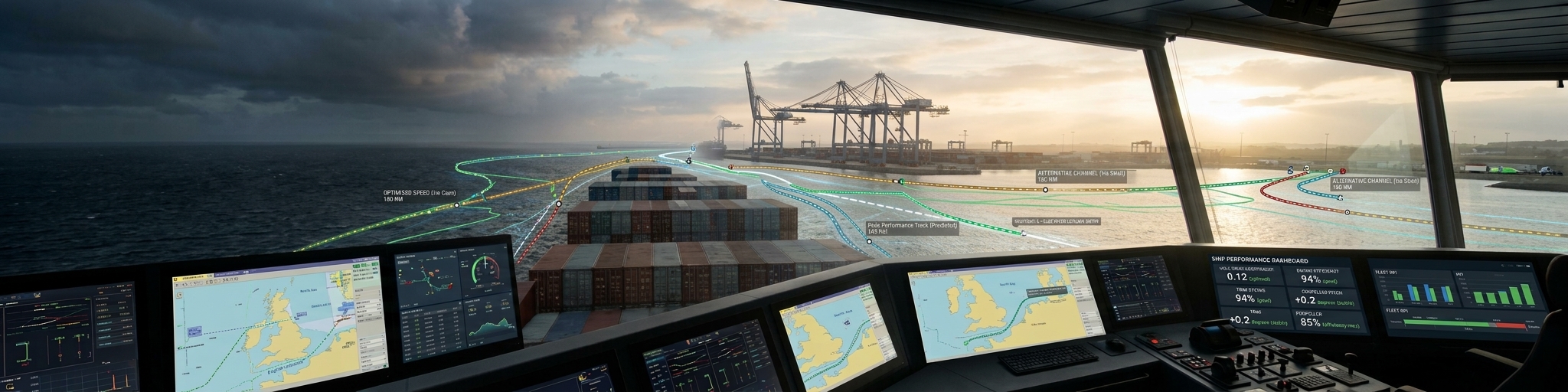
Navigating Logistics Disruptions: Why Proactive Multimodal Intelligence is No Longer Optional

When Typhoon Recovery Becomes the Real Risk: How MG Ship’s Predictive AI Stabilises Global Supply Chains
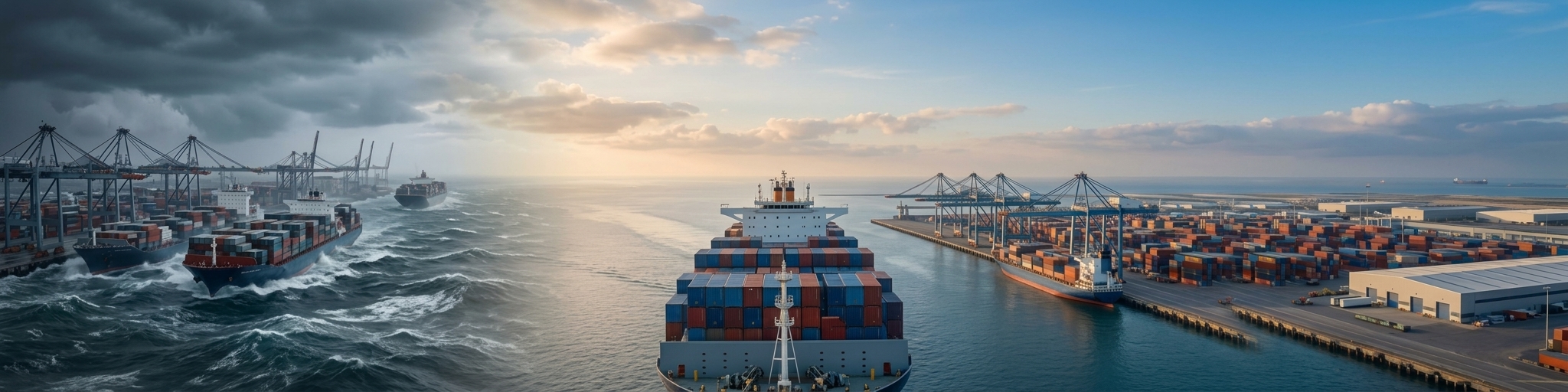
From “Where Is It?” to “What’s Next?”: How MG Ship Helps Brands Cut Logistics Cost, De-Risk Operations, and Focus on Expansion

Cainiao's Mexico Expansion: A Catalyst for E-commerce Logistics in Latin America

Sumitomo's Strategic Asset Shifts: A Conceptual Framework for Capital Efficiency

More from the control tower
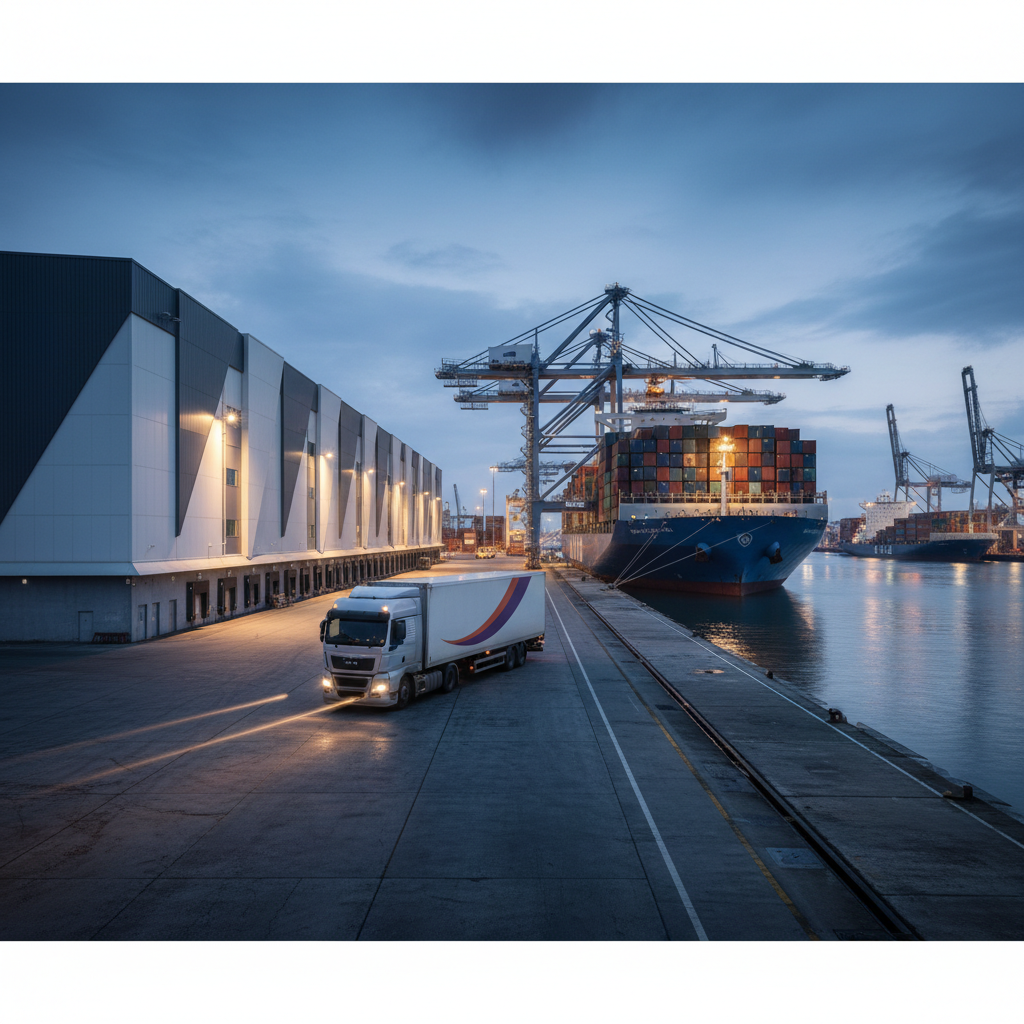
Strategic Realignment: FedEx Divests Supply Chain Arm to CMA CGM, Reshaping Global Logistics
The recent sale of FedEx Supply Chain to CMA CGM Group signals a major strategic shift, impacting global logistics flows, financial dynamics, and the competitive landscape. This analysis explores the implications for shippers and carriers, highlighting the critical role of shipment visibility in navigating an evolving trade environment.

Trade Compliance: The New Operational Imperative for Global Supply Chains
Trade compliance has evolved from a back-office function to a real-time operational constraint, directly impacting shipment flows, costs, and supply chain resilience. This brief explores its implications and how MGS can help navigate the complexities.

Geopolitical Tensions Escalate: Navigating the Shifting Tides of Global Cargo Movement
Recent events, including a tanker attack in the Strait of Hormuz, underscore the volatile nature of global geopolitics and their profound impact on supply chain stability. This brief analyzes the cascading consequences for maritime routes, air cargo, trade flows, and the critical role of real-time visibility platforms in mitigating these disruptions.

Geopolitical Volatility Reshapes Global Shipping: The Rising Cost of Disrupted Waterways
Ongoing geopolitical tensions, particularly around critical maritime chokepoints, are fundamentally altering global cargo movement. Recent carrier announcements, such as MSC's extension of piracy and Suez surcharges, underscore a new reality of increased operational costs, extended transit times, and heightened supply chain unpredictability. This brief examines the direct consequences for trade and transport, highlighting the critical role of real-time visibility in navigating these complex challenges.

Red Sea Under Siege: Geopolitical Tensions Threaten Global Supply Chains
The Red Sea, a critical artery for international trade, faces escalating geopolitical risks as Saudi Arabia reportedly plans an offensive against Houthi militants. This brief examines the potential ramifications for global shipping lanes, key facilities, and transport modes, outlining strategic measures shippers can implement to navigate this volatile environment.

Navigating the Storm: How Weather is Reshaping Global Cargo Movement and What Shippers Can Do
Extreme weather events are increasingly disrupting global supply chains, leading to significant delays, port congestion, and capacity strains. This brief explores the specific impacts on trade lanes, facilities, and transport modes, offering strategies for shippers to build resilience and maintain cargo flow amidst an unpredictable climate.

Vietjet Thailand's Ambitious Revenue Target: Strategic Implications for Growth
Vietjet Thailand has set an ambitious goal to double its revenue by 2028. This brief provides an initial analysis of the strategic implications for revenue optimization and high-growth opportunities, highlighting the focused planning required for such significant expansion.

Daikin's Capital Efficiency Challenge: A Call for Strategic Optimization
Daikin is urged to adopt a "cooler, leaner strategy" to address lagging capital efficiency, signaling a need for comprehensive operational and financial optimization across its business.

Navigating Economic Headwinds: A Deep Dive into Financial and Operational Resilience
Recent financial disclosures from a major athletics company highlight critical challenges in revenue generation and market valuation, prompting strategic operational adjustments. This brief analyzes the implications for cost, cash flow, margin, productivity, and growth, offering insights for leaders facing similar pressures.