
Kerch Strait Bridge Strike Halts Sea of Azov Shipping
A recent strike on the Kerch Strait Bridge has severed maritime access to the Sea of Azov, creating immediate and severe disruptions for cargo movement in the region. Shippers must now contend with rerouting, increased costs, and extended transit times for goods previously moved through this waterway.
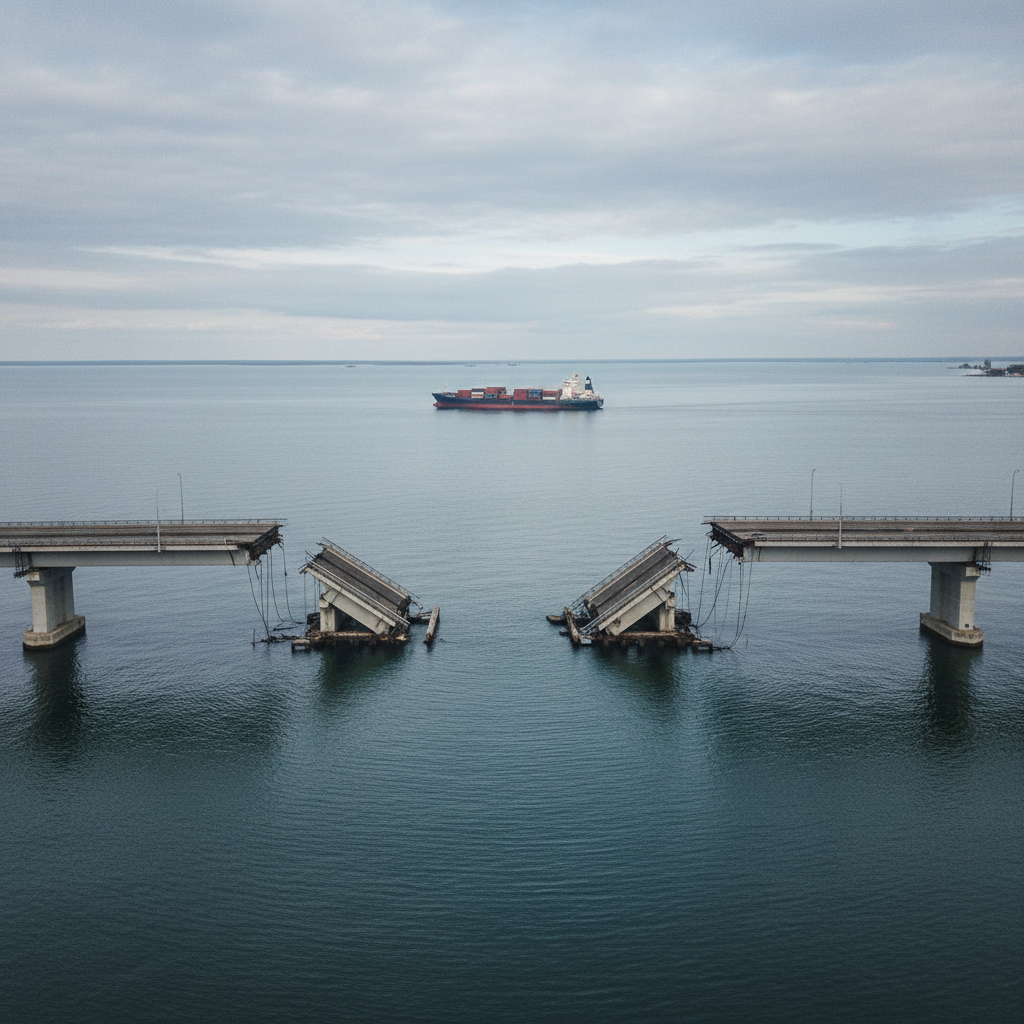
Sea of Azov Maritime Access Severed
The recent attack on the Kerch Strait Bridge has directly impacted maritime operations, effectively cutting off shipping access to the Sea of Azov. While the strike primarily targeted road infrastructure connecting Russia's Taman Peninsula with occupied Crimea, the resulting operational restrictions or physical damage in the strait itself have rendered the passage impassable for commercial vessels. This immediate closure means that all cargo traffic that previously relied on transit through the Kerch Strait to reach ports within the Sea of Azov is now halted. This includes vessels destined for or departing from key regional ports such as Rostov-on-Don, Azov, and Taganrog, which are vital for the movement of various commodities. The sudden cessation of maritime access creates an instant bottleneck, forcing a rapid re-evaluation of logistics strategies for any entity with cargo interests in the area. The disruption is not merely a delay; it represents a fundamental change in the viability of a long-established shipping lane, with immediate consequences for vessel scheduling, port operations, and cargo delivery timelines.
Disruption to Regional Commodity Flows
The Sea of Azov serves as a crucial outlet for a range of commodities originating from the surrounding regions, particularly from Russia. Grain, coal, steel products, and various bulk materials are regularly transported through its waters. With the Kerch Strait now inaccessible, the established supply chains for these goods face immediate and severe disruption. Exporters and importers who relied on the cost-effectiveness and direct access provided by Azov Sea ports must now seek alternative transportation methods. This shift will likely involve diverting cargo to Black Sea ports, such as Novorossiysk or Tuapse, which entails additional overland transport via rail or truck. Such diversions introduce new logistical complexities, including increased handling requirements, potential capacity constraints at alternative ports, and longer overall transit distances. The economic impact on regional producers and international buyers of these commodities will be substantial, as the efficiency of their supply lines is compromised. Furthermore, the sudden change in routing can strain existing infrastructure and lead to congestion at the alternative Black Sea gateways, creating ripple effects across the broader regional logistics network.
Escalating Costs and Operational Challenges
The closure of the Kerch Strait and the subsequent rerouting of cargo will inevitably lead to a significant escalation in operational costs for shippers. The most immediate impact will be on freight rates, as the demand for alternative land-based transport (rail and road) to Black Sea ports increases, driving up prices. Longer sea voyages, if vessels are rerouted around the Crimean Peninsula or to other Black Sea ports, will also incur higher fuel consumption and extended transit times, further adding to expenses. Insurance premiums for vessels operating in the broader Black Sea region are also likely to see upward adjustments due reflecting the heightened geopolitical risk. This financial burden will be passed down the supply chain, ultimately affecting the final cost of goods. Beyond direct monetary costs, shippers face operational challenges such as securing sufficient railcar or truck capacity, managing customs procedures at new entry/exit points, and adapting to potentially less efficient port infrastructure. The need for rapid adjustments to existing contracts and delivery schedules will also consume considerable resources, adding another layer of complexity to an already challenging situation.
Shipper Strategies for Mitigating Impact
Shippers with exposure to the Sea of Azov region must implement immediate and proactive strategies to mitigate the impact of this disruption. The first step involves a comprehensive review of all current and planned shipments through the affected area. This includes identifying specific cargo, its origin and destination, and the urgency of delivery. Communication with freight forwarders, carriers, and logistics partners is paramount to understand available alternative routes and their associated costs and lead times. Shippers should explore rerouting options, prioritizing Black Sea ports accessible via reliable land corridors. This may necessitate pre-booking rail or truck capacity well in advance, given the anticipated surge in demand. For future planning, diversifying sourcing and distribution points to reduce reliance on single, vulnerable choke points becomes a strategic imperative. Additionally, maintaining higher safety stock levels for critical goods that typically transit the Sea of Azov can help buffer against immediate supply shortages. Regular monitoring of geopolitical developments and official advisories regarding the Kerch Strait and surrounding waters will be essential for informed decision-making, allowing for agile responses to any further changes in the operational environment.
Source: The Maritime Executive — https://maritime-executive.com/article/kerch-strait-bridge-strike-cuts-off-sea-of-azov-shipping