
MGS Insights
The Control Tower
For enquiries on articles, speaking opportunities and general inspiration with industry data trends — write to us!
 Data InsightsThe Evolving WMS: From Warehouse Core to Supply Chain Nerve Center
 OperationsAI's Quiet Revolution: Beyond Job Cuts to Supply Chain Structure Transformation
 FinanceStrategic Liquidity: Unlocking Business Value from Investment Portfolios
 FinanceNavigating the Headwinds: Strategic Responses to Surging Treasury Yields and Energy Costs
 IndustrySailing Towards Sustainability: Maersk's Wind Pilot and the Future of Supply Chain Visibility
 FinanceCapitalizing on Potential: Strategic Value Creation for a Cash-Rich, Pre-Revenue Enterprise
 Data InsightsBridging the Gaps: Why Supply Chain's 'Operating System' is the New Imperative
 FinanceNavigating Energy Volatility: Strategic Imperatives for Business Resilience
 FinanceUnlocking Value: The Strategic Imperative of Integrated Equity Compensation Management
 FinanceVictoria Beckham's Profit Turnaround: An Analysis of Financial and Operational Value Drivers
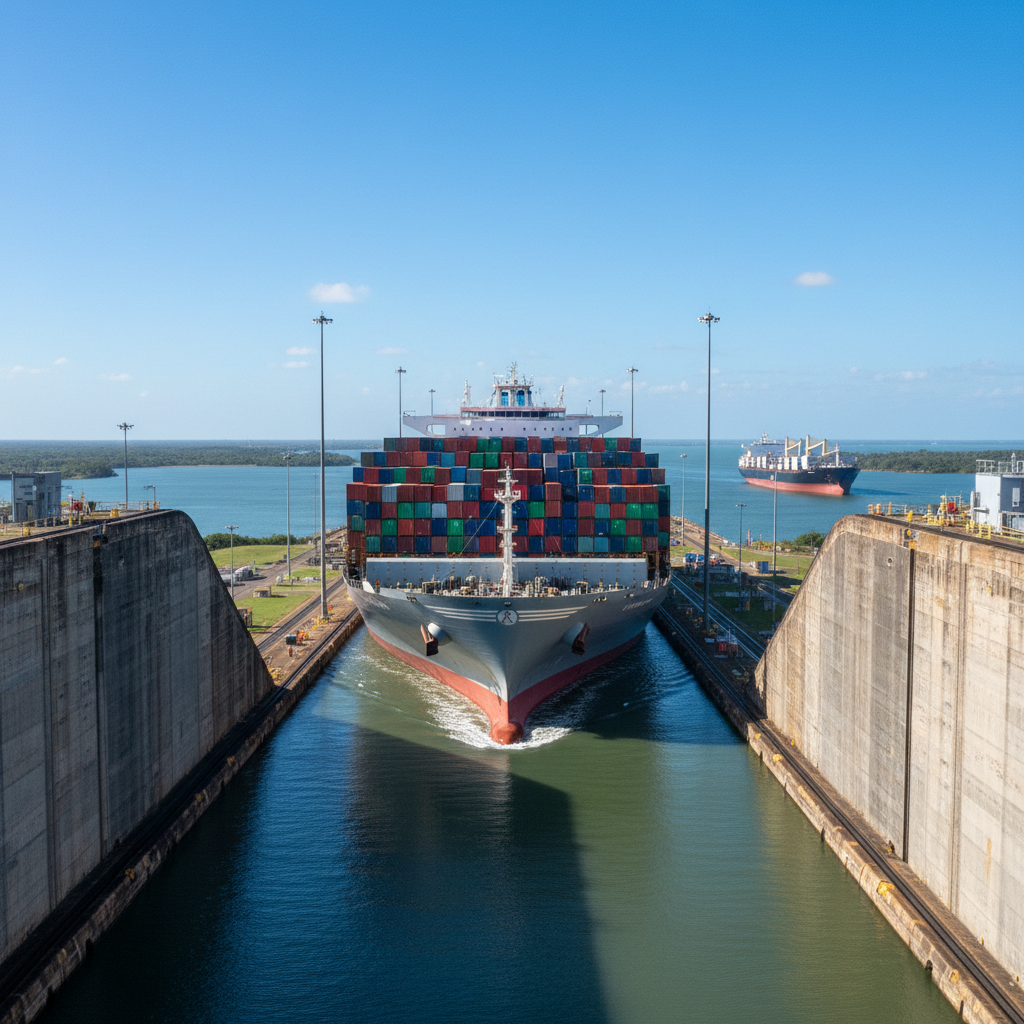
Navigating Turbulent Waters: Geopolitical Headwinds and the Shifting Global Supply Chain Landscape
Geopolitical events are increasingly reshaping global cargo movement, forcing supply chains to adapt to new realities across waterways, airspace, and overland routes. From critical chokepoints like the Panama Canal to the complexities of tariffs and sanctions, understanding and mitigating these disruptions is paramount for maintaining trade flows.

Panama Canal Drought: Navigating the Supply Chain Bottleneck
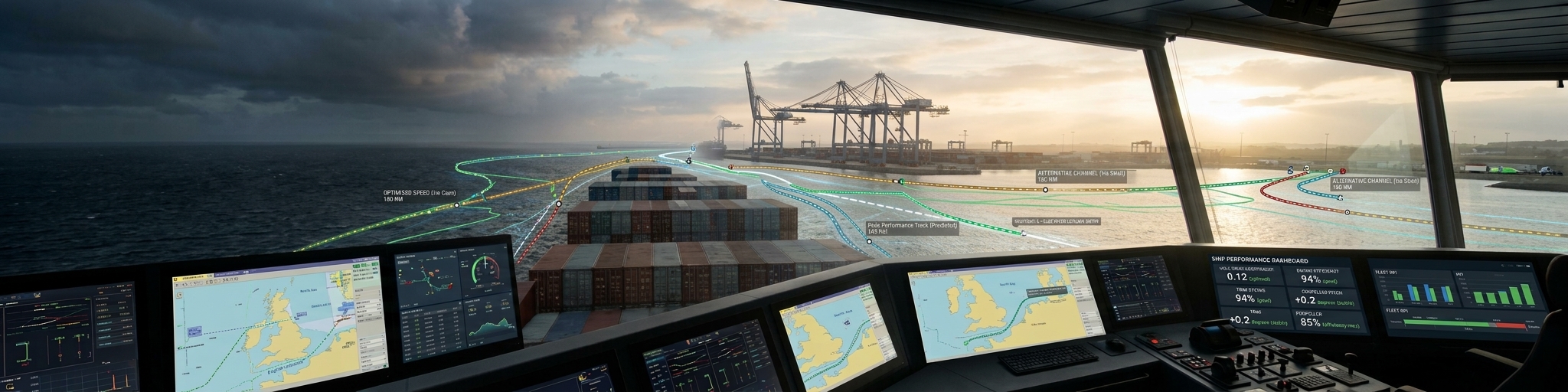
Navigating Logistics Disruptions: Why Proactive Multimodal Intelligence is No Longer Optional

When Typhoon Recovery Becomes the Real Risk: How MG Ship’s Predictive AI Stabilises Global Supply Chains
From “Where Is It?” to “What’s Next?”: How MG Ship Helps Brands Cut Logistics Cost, De-Risk Operations, and Focus on Expansion

Cainiao's Mexico Expansion: A Catalyst for E-commerce Logistics in Latin America

Sumitomo's Strategic Asset Shifts: A Conceptual Framework for Capital Efficiency

More from the control tower

From Execution to Orchestration: The New Era of Transportation Management
Transportation management is evolving beyond basic execution. Driven by AI, real-time visibility, and automation, it's becoming an intelligent orchestration of global supply chains, deeply integrated with inventory, warehousing, and customer service. This shift promises profound impacts on efficiency, cost, and resilience across the global trade landscape.

Refined Fuels: The Global Supply Chain's Unseen Chokepoint and the Imperative of Visibility
Geopolitical tensions are revealing a critical, often overlooked vulnerability within the global supply chain: the network responsible for refining and distributing essential petroleum products. Despite sufficient crude oil reserves, disruptions to this intricate logistics system can trigger widespread shortages of vital fuels and feedstocks, impacting industries worldwide. This brief explores these emerging chokepoints and the crucial role of advanced visibility platforms in building resilience.

Architecting Resilience: Navigating Converging Risks in Global Supply Chains
As global risks converge, supply chain resilience is shifting from isolated programs to a core architectural property. This brief explores the profound impacts on global trade, financial implications, and how MGS visibility platforms empower operators to build and manage inherently robust supply chains.

Navigating the New Normal: Geopolitical Flashpoints and Supply Chain Disruption
Recent incidents in critical maritime chokepoints underscore the escalating impact of geopolitical tensions on global cargo movement. This brief analyzes the ripple effects on routes, costs, and supply chain resilience, highlighting the essential role of real-time visibility.
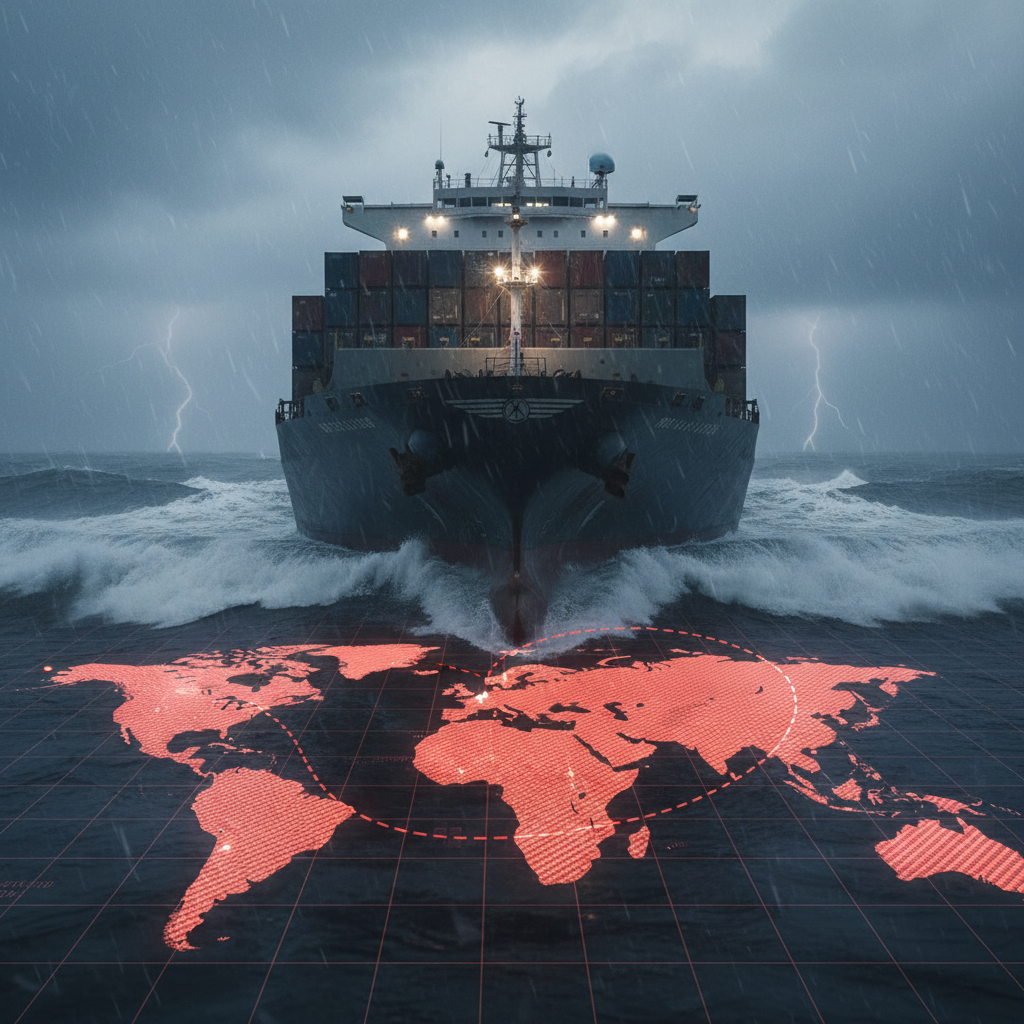
Navigating the New Geopolitical Currents: How Strategic Uncertainty is Reshaping Global Cargo Movement
Global trade corridors are increasingly becoming strategic assets, with geopolitical events disrupting established routes, airspace, and waterways. This brief analyzes the profound consequences for international trade and transport, from rerouting and delays to the complex impact of tariffs and sanctions, and highlights the critical role of real-time visibility in building supply chain resilience.
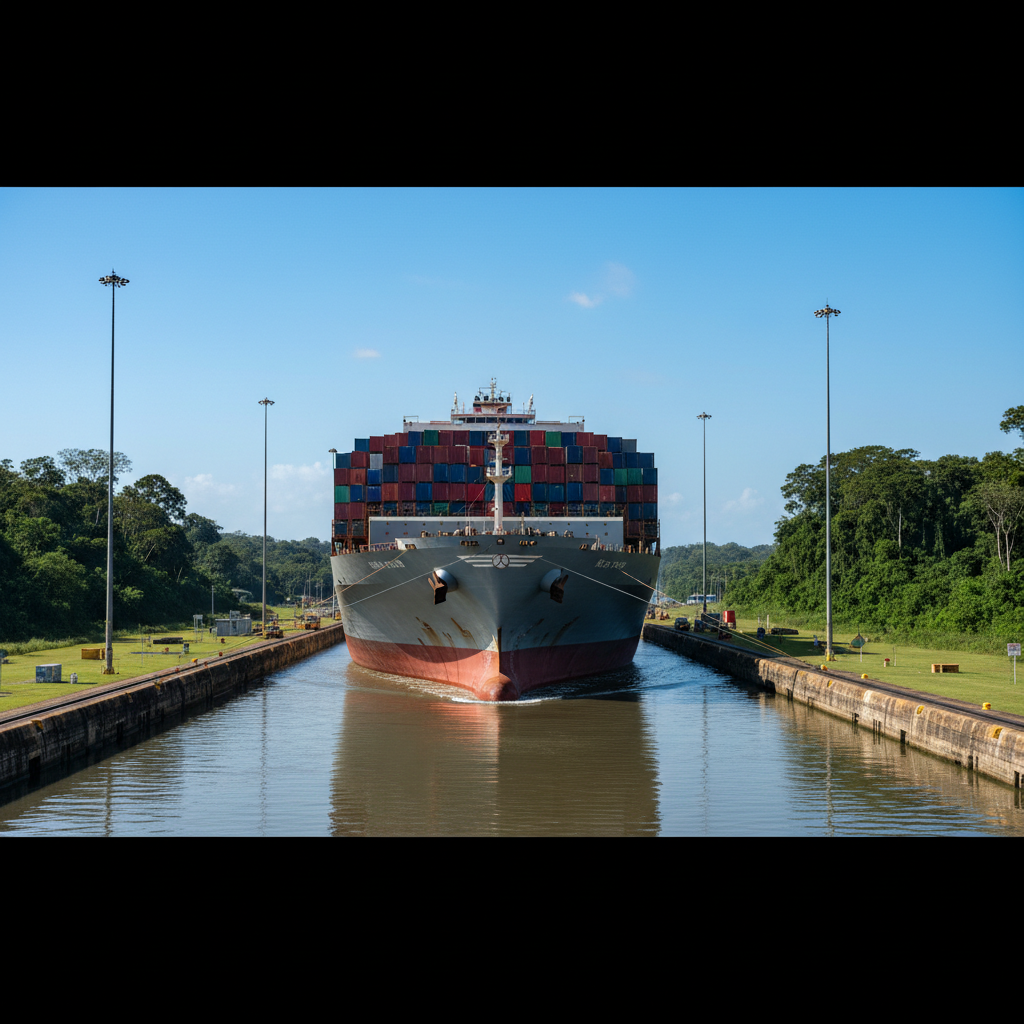
Weather's Shifting Tides: Panama Canal Recovery Offers Reprieve, Highlights Supply Chain Vulnerability
Recent rainfall has eased restrictions at the Panama Canal, improving transit capacity and offering a temporary reprieve for global supply chains. This development underscores the critical impact of weather on key maritime lanes and the ongoing need for robust visibility and adaptive strategies for shippers.

Weathering the Storm: Enhancing Supply Chain Visibility Amidst Climatic Disruptions
Unpredictable weather events are a constant challenge for global supply chains, creating delays, reroutes, and significant operational hurdles. This brief examines how climatic factors impact cargo movement across various lanes, facilities, and modes, and outlines proactive strategies for shippers, leveraging advanced visibility platforms to navigate these uncertainties.

Resonac's Wafer Breakthrough: Quadrupling Chip Yield for Strategic Value
An analysis of how Resonac's innovation in large wafers, yielding 4 times as many chips, drives significant gains in operational efficiency, cost reduction, organizational productivity, revenue, and high-margin growth opportunities for business leaders.

Shein's Profit Plunge: Navigating Tariff Headwinds and Logistics Volatility for Financial Resilience
Shein's recent 67% profit drop signals critical challenges in cost management and operational efficiency. This brief analyzes the implications of tariff headwinds and logistics cost volatility, highlighting key areas for strategic intervention to restore financial health and market confidence.