
MGS Insights
The Control Tower
For enquiries on articles, speaking opportunities and general inspiration with industry data trends — write to us!
 Ethanol Bunkering: A New Horizon for Sustainable Maritime Logistics
 WeatherPanama Canal Drought: Navigating the Supply Chain Bottleneck
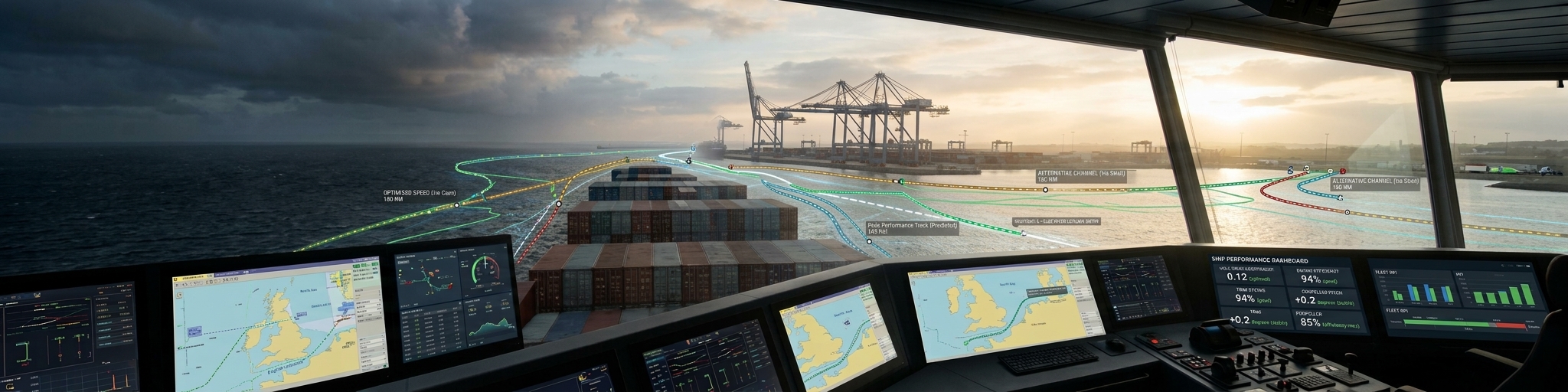 IndustryNavigating Logistics Disruptions: Why Proactive Multimodal Intelligence is No Longer Optional
 OperationsWhen Typhoon Recovery Becomes the Real Risk: How MG Ship’s Predictive AI Stabilises Global Supply Chains
 OperationsFrom “Where Is It?” to “What’s Next?”: How MG Ship Helps Brands Cut Logistics Cost, De-Risk Operations, and Focus on Expansion
 IndustryCainiao's Mexico Expansion: A Catalyst for E-commerce Logistics in Latin America
 FinanceSumitomo's Strategic Asset Shifts: A Conceptual Framework for Capital Efficiency
 Data InsightsThe Evolving WMS: From Warehouse Core to Supply Chain Nerve Center
 OperationsAI's Quiet Revolution: Beyond Job Cuts to Supply Chain Structure Transformation
 FinanceStrategic Liquidity: Unlocking Business Value from Investment Portfolios
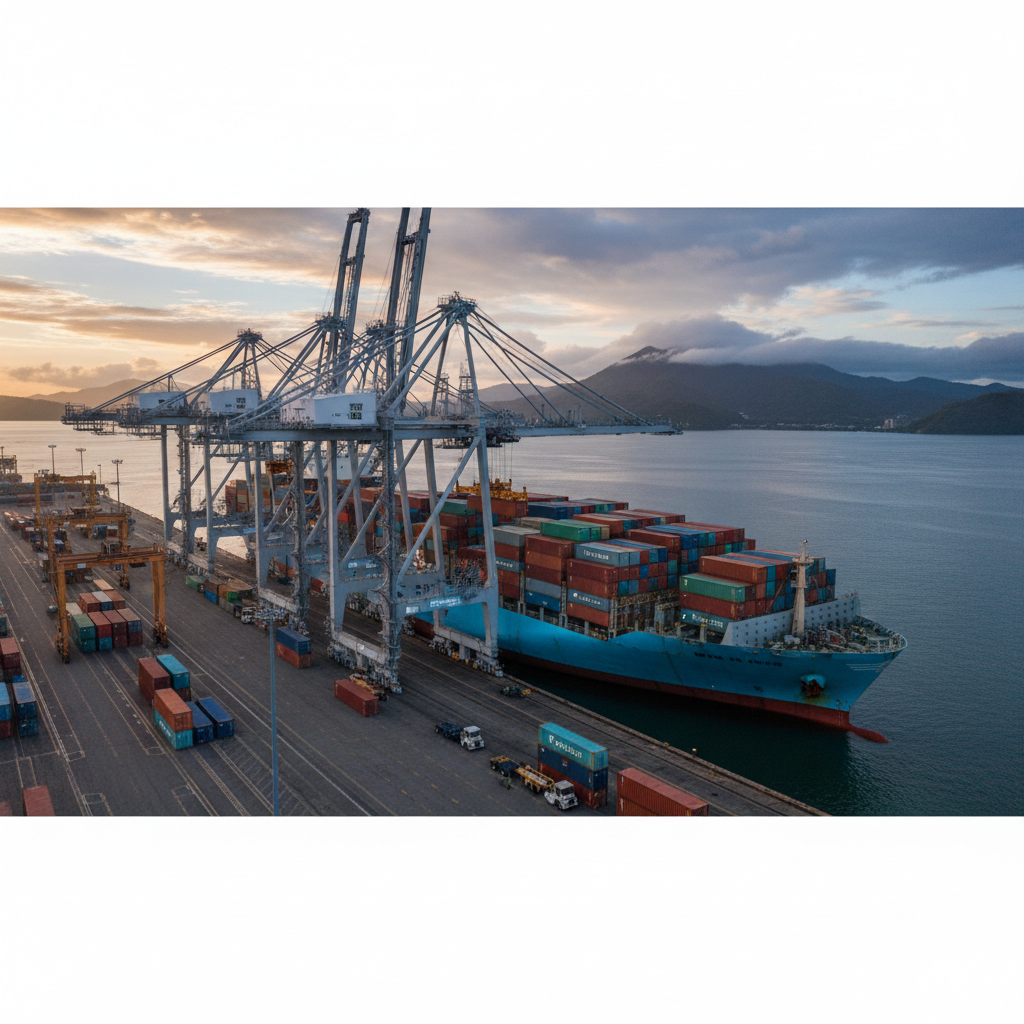
Navigating the Tides of Change: Geopolitical Ripples in Feeder Networks
Geopolitical events are continuously reshaping global trade routes. This brief analyzes how strategic adjustments in feeder services, like Maersk's recent decisions in the Peru Feeder, reflect broader efforts by carriers to maintain network agility and reliability amidst a volatile environment, and the critical role of shipment visibility.

Protecting Life-Critical Healthcare Supply Chains Before Disruption Reaches the Patient

Predictive Logistics and Carrier Performance: How Retailers Can Turn Freight Volatility Into a Competitive Advantage

See the Wave. Then Ride It. MG Ship: Where Disruption Becomes Your Competitive Advantage.

Future-Proof Your Supply Chain: MG Ship Helps Shippers Stay Ahead of Geopolitical and Trade Disruption

When Confidence Meets Capability: Turning Supply-Chain Resilience Into Measurable Action
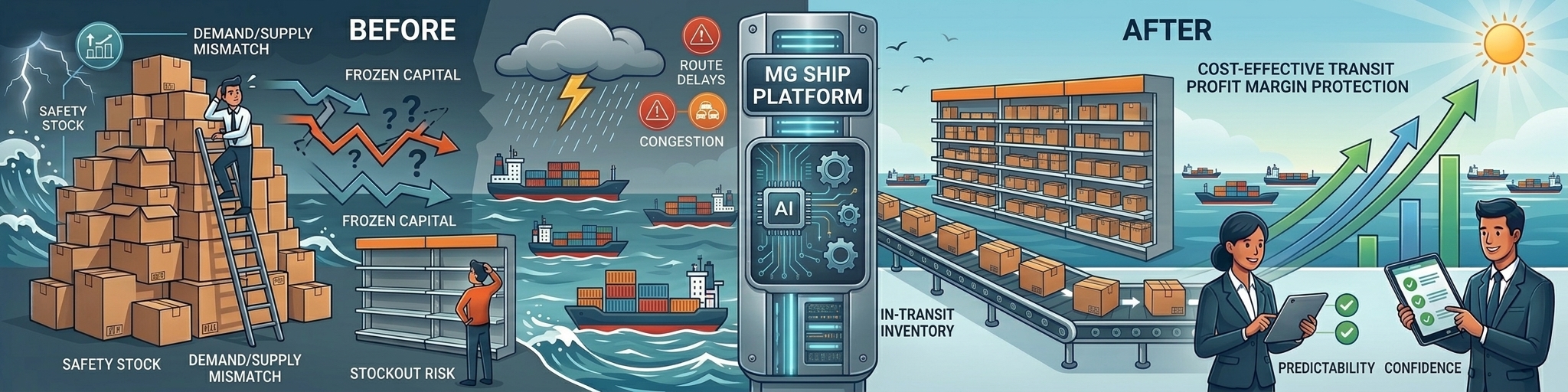
From PepsiCo's Profit Squeeze to Retail Resilience: How MG Ship Helps Retailers Balance Supply and Demand Before They Ship

More from the control tower

Mega-Vessel Mania: Unpacking the Global Supply Chain Impact of a Swelling Boxship Orderbook
The container shipping orderbook has swelled to 46.5% of the active fleet, signaling a massive influx of new capacity. This brief analyzes the profound impact on global supply chains, financial markets, and how MGS can provide crucial visibility.

Digital Readiness: The Unsung Hero in 3PL Ramp-Ups and Global Supply Chain Stability
As third-party logistics providers navigate constant change, the ability to rapidly scale operations hinges not just on physical automation, but critically on the digital readiness of their workforce. This insight brief explores how this often-overlooked factor impacts global supply chains, financial stability, and how visibility platforms like MGS can help mitigate risks.

Navigating Turbulent Waters: Geopolitical Tensions Reshape Global Maritime Supply Chains
Geopolitical developments in critical maritime regions are introducing unprecedented complexities and risks to global supply chains. From direct threats to vessels and infrastructure to the intricate web of sanctions, these challenges demand enhanced visibility and agile response mechanisms for resilient trade.

Strait of Hormuz: Geopolitical Tensions Escalate, Threatening Global Maritime Trade
Escalating tensions in the Strait of Hormuz have led to a significant increase in maritime incidents, with 29 vessels attacked in three weeks and 120 ships blacklisted by Iran. This critical choke point faces unprecedented disruption, impacting global supply chains and demanding immediate attention from shippers.

The Unpredictable Force: How Weather Reshapes Global Cargo Flows
Unforeseen weather events are increasingly challenging global supply chains, impacting critical lanes, facilities, and transport modes. This brief explores the pervasive influence of atmospheric conditions on cargo movement and outlines strategic responses for shippers leveraging advanced visibility platforms.

Strategic Resilience: Unpacking Union Pacific's Q3 Profit Growth Through Operational and Pricing Excellence
Union Pacific's impressive third-quarter profit highlights a masterclass in strategic financial and operational management. This analysis delves into how robust pricing, enhanced operational efficiencies, and a keen focus on customer value propelled the company's success amidst challenging market conditions.

Strategic Imperatives for Tata Motors CV: Navigating Growth and Margin Realities in Q2 FY27
An analysis of Tata Motors Commercial Vehicles' Q2 FY27 outlook, focusing on strong revenue and profit growth driven by 43% volume expansion, alongside critical challenges like rising input costs and margin pressures. This brief explores strategic imperatives for optimizing financial and operational value.

Colgate-Palmolive India's Q2 Performance: A Deep Dive into Profitability and Growth Drivers
Colgate-Palmolive India reported strong Q2 results with a 4.3% net profit increase and 12.22% sales growth, driven by effective cost management and strategic pricing actions. This brief analyzes the financial and operational levers behind these achievements.

Navigating the Volatile Seas: MGS Insights into 2027 Ocean Freight Challenges
Global ocean shipping faces escalating Middle East conflict, persistent port congestion, and carrier capacity controls, complicating freight-rate negotiations for shippers heading into 2027. This brief analyzes the profound impacts on supply chains and the global economy, detailing how advanced visibility platforms like MGS are essential for resilience and strategic decision-making.