
Strait of Hormuz: Geopolitical Tensions Escalate, Threatening Global Maritime Trade
Escalating tensions in the Strait of Hormuz have led to a significant increase in maritime incidents, with 29 vessels attacked in three weeks and 120 ships blacklisted by Iran. This critical choke point faces unprecedented disruption, impacting global supply chains and demanding immediate attention from shippers.
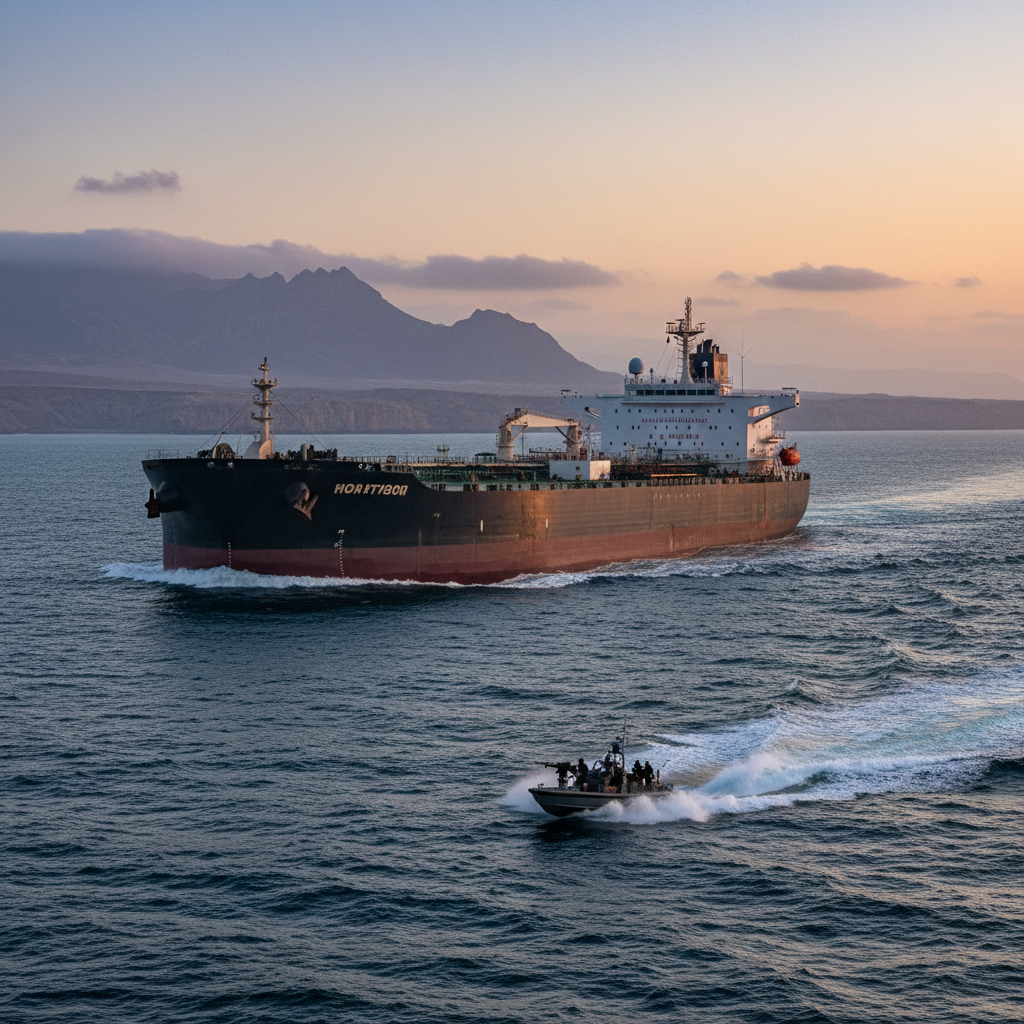
The Geopolitical Storm Brewing in the Strait of Hormuz
The Strait of Hormuz, a narrow waterway connecting the Persian Gulf to the open ocean, stands as one of the world's most critical maritime choke points. Its strategic importance for global energy and trade cannot be overstated, with a substantial portion of the world's seaborne oil passing through its waters daily. However, recent geopolitical developments have cast a long shadow over this vital artery, introducing a new layer of complexity and risk for global supply chains. The escalating tensions, marked by Iran's expansion of a blacklist to encompass 120 ships and a confirmed casualty toll of 29 vessels attacked within a mere three-week period, paint a stark picture of heightened volatility and operational uncertainty.
This isn't merely an isolated series of incidents; it signifies a systemic increase in geopolitical risk that directly impacts the free flow of international commerce. The actions underscore a deliberate strategy that introduces significant operational challenges, from increased insurance premiums and heightened security protocols to the very real threat of vessel seizure or damage. For shippers, carriers, and logistics providers, understanding the nuances of this evolving situation is paramount. The ripple effects extend far beyond the immediate vicinity of the Strait, influencing global shipping routes, commodity prices, and the reliability of supply chains worldwide. The need for real-time intelligence and proactive risk management has never been more urgent in this increasingly unpredictable maritime landscape.
Critical Maritime Lanes Under Duress
The Strait of Hormuz is not just a shipping lane; it is an indispensable conduit for global trade, particularly for crude oil and liquefied natural gas (LNG) exports from the Middle East. Any disruption here has immediate and far-reaching consequences for international markets. With Iran's expanded blacklist targeting 120 ships and the alarming rate of 29 vessel attacks in just three weeks, the direct impact on maritime lanes through the Strait is profound. Vessels attempting to transit this area face an elevated risk profile, leading to a cascade of operational adjustments.
Carriers are compelled to re-evaluate their routes, potentially leading to longer transit times as ships adopt more cautious navigation strategies or, in some cases, consider alternative, albeit significantly longer and more costly, routes around the Arabian Peninsula. This rerouting, even if only a precautionary measure, strains vessel capacity and increases fuel consumption, directly translating into higher freight rates and extended delivery schedules for shippers. Furthermore, the perceived threat can deter some vessels from calling at ports within the Persian Gulf, exacerbating capacity shortages and creating bottlenecks. The geopolitical instability transforms a routine passage into a high-stakes journey, demanding constant vigilance and adaptability from all stakeholders in the maritime logistics chain.
Port and Facility Vulnerabilities
The direct impact of the Strait of Hormuz crisis extends to critical port facilities and logistics infrastructure throughout the Persian Gulf and beyond. Ports such as Jebel Ali (UAE), Dammam (Saudi Arabia), and Bandar Abbas (Iran) are intrinsically linked to the Strait's accessibility. A disruption in the Strait means a direct impediment to vessels calling at these ports, affecting their operational efficiency and throughput capacity. The threat of vessel attacks or blacklisting creates an environment of uncertainty that can lead to reduced port calls, delays in vessel turnaround times due to increased security checks, and potential congestion as ships wait for clearer passage or security escorts.
For shippers, this translates into significant delays in cargo loading and unloading, impacting inventory management and just-in-time supply chains. The ripple effect can also be felt in global port networks, as disrupted schedules in the Gulf cascade to other major hubs, causing further delays and congestion. Moreover, the heightened security concerns can lead to increased operational costs for ports, which may be passed on to shippers in the form of surcharges. The reliability of supply chains relying on these facilities is severely tested, necessitating robust contingency planning and real-time visibility into port operations and vessel movements to mitigate potential disruptions.
Maritime Mode Bearing the Brunt
In the context of the escalating tensions in the Strait of Hormuz, the maritime mode of transport bears the overwhelming brunt of the disruption. Unlike other modes, shipping vessels are directly exposed to the geopolitical risks unfolding in this critical waterway. The types of vessels most significantly impacted include crude oil tankers, LNG carriers, container ships, and bulk carriers, all of which regularly traverse the Strait to access or depart from the Persian Gulf's energy and trade hubs.
For these vessels, the primary concern is the safety of the crew and the integrity of the cargo. The confirmed attacks on 29 vessels in three weeks highlight the very real physical dangers. This situation leads to increased war risk insurance premiums, which are substantial costs passed directly onto shippers. Furthermore, carriers may implement enhanced security measures, such as hiring private security details, altering navigation patterns, or even temporarily suspending services to certain regions, all of which add to operational complexity and cost. The cumulative effect is a significant strain on global shipping capacity, increased transit times, and a heightened need for real-time information to navigate these dangerous waters safely and efficiently. The maritime industry, as the backbone of global trade, finds itself at the forefront of this geopolitical challenge.
Navigating the Shifting Sands: Shipper Strategies
In an environment characterized by sudden shifts and heightened uncertainty in critical maritime lanes like the Strait of Hormuz, real-time shipment visibility is no longer a luxury but a fundamental requirement for supply chain resilience. Shippers must adopt proactive strategies to mitigate the impact of geopolitical disruptions and safeguard their cargo.
Enhanced Visibility and Real-time Monitoring: A sophisticated shipment-visibility control tower like MGS provides an indispensable advantage. By offering granular, real-time tracking of vessels, MGS empowers shippers to monitor their cargo's exact location relative to known risk zones. This immediate insight allows for proactive identification of potential delays, diversions, or even direct threats, far before they escalate into critical issues. The ability to see that one of the 120 blacklisted ships is carrying your cargo, or that your vessel is approaching an area where 29 attacks have occurred in three weeks, is invaluable for immediate decision-making.
Predictive Analytics for Proactive Decision-Making: Beyond simple tracking, MGS's predictive analytics can anticipate bottlenecks, flag areas of heightened security risk, and forecast revised Estimated Times of Arrival (ETAs) based on unfolding events. This foresight is crucial for managing inventory, adjusting production schedules, and communicating transparently with customers. For instance, if a vessel is forced to reroute or delay transit through the Strait, MGS can provide updated timelines, allowing shippers to prepare for potential stock-outs or adjust distribution plans.
Robust Contingency Planning and Route Optimization: Armed with comprehensive data from MGS, supply chain managers can swiftly evaluate alternative routes, assess the feasibility of transshipment options, or even consider temporary shifts to alternative modes for specific cargo if the situation demands. While rerouting around the Strait of Hormuz is a significant undertaking with cost implications, MGS provides the data to make informed decisions about such strategies, minimizing the financial and reputational damage associated with major disruptions.
Integrated Risk Management: Furthermore, MGS platforms facilitate robust risk assessment by consolidating incident data and geopolitical alerts with live shipment data. This holistic view enables shippers to understand the direct and indirect impacts on their specific consignments, allowing for more informed decisions regarding insurance, security enhancements, and contractual obligations. Understanding the specific risks associated with the 120 blacklisted ships or the areas of recent attacks allows for targeted risk mitigation.
Streamlined Communication and Collaboration: The platform also enhances internal and external communication, providing a single source of truth for all stakeholders. This streamlined information flow is vital when coordinating complex responses across multiple departments and external partners in a crisis. In a rapidly evolving situation like the one in the Strait of Hormuz, clear and consistent communication, backed by real-time data from MGS, is paramount to maintaining operational continuity and stakeholder confidence.
By leveraging advanced visibility platforms, shippers can transform a reactive response to geopolitical disruptions into a proactive, data-driven strategy, enhancing resilience and ensuring the continued flow of goods even through the most challenging global trade environments.
Source: TradeWinds — https://www.tradewindsnews.com/casualties/iran-extends-strait-of-hormuz-blacklist-to-120-ships-including-vessels-sunk/2-1-2060996