
Navigating Turbulent Waters: Geopolitical Tensions Reshape Global Maritime Supply Chains
Geopolitical developments in critical maritime regions are introducing unprecedented complexities and risks to global supply chains. From direct threats to vessels and infrastructure to the intricate web of sanctions, these challenges demand enhanced visibility and agile response mechanisms for resilient trade.
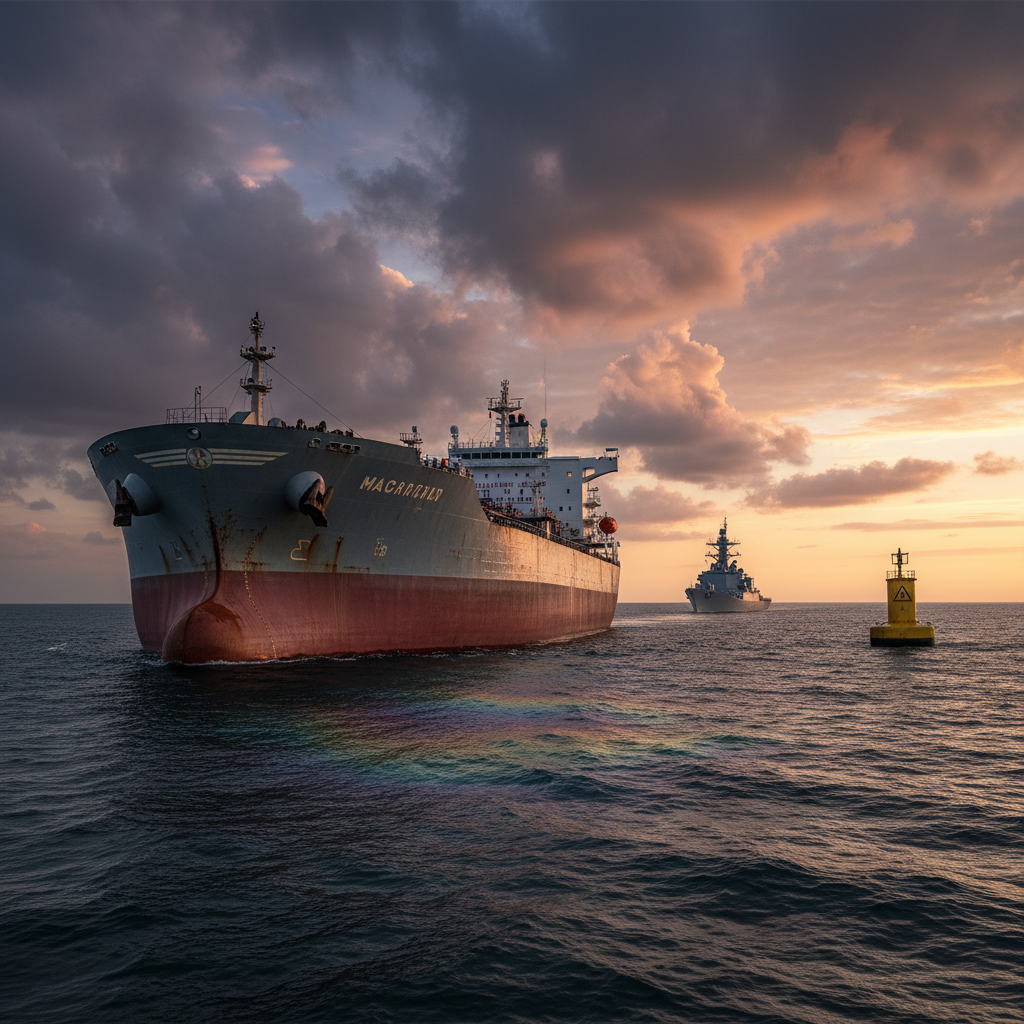
Direct Threats to Maritime Assets and Personnel
Recent intelligence highlights a concerning rise in direct threats to maritime assets, specifically citing tanker and tug attacks in key strategic waterways. Such incidents immediately escalate the operational risk profile for all vessels transiting these areas. For shipping companies, this translates into a tangible increase in war risk insurance premiums, directly impacting freight costs and, consequently, the final price of goods for consumers. Beyond financial implications, the physical safety of crews and the integrity of cargo become paramount concerns. Attacks can lead to significant delays as vessels may be forced to alter routes, await security escorts, or undergo inspections, disrupting meticulously planned schedules. The potential for vessel damage or loss also reduces available shipping capacity, tightening the market and further driving up rates. Supply chain managers must now factor in not just transit times, but also the heightened probability of unforeseen interruptions and the need for contingency planning, making real-time threat intelligence critical for maintaining operational continuity.
Vulnerabilities in Critical Maritime Infrastructure
The stability of global trade relies heavily on unseen, yet vital, infrastructure. Reports of threats to subsea cables, for instance, underscore a critical vulnerability in the global communication and data backbone. These cables are not merely conduits for internet traffic; they facilitate the vast majority of international financial transactions, supply chain communications, and operational data exchanges. Any disruption to these cables, whether accidental or intentional, could have far-reaching consequences beyond just cargo movement. It could cripple financial markets, hinder port operations through communication blackouts, and severely impede the coordination necessary for global logistics. The repair of such infrastructure is a complex, time-consuming, and costly endeavor, leading to prolonged outages and significant economic fallout. For supply chains, this means potential delays in customs clearance, payment processing, and even the ability to track shipments, introducing an additional layer of unpredictability into an already complex environment.
Environmental and Operational Hazards
Geopolitical instability can also indirectly exacerbate environmental and operational hazards, such as an emerging oil spill. While the direct cause might be an accident, the context of heightened tensions can complicate response efforts and amplify consequences. An oil spill presents immediate navigational hazards, potentially forcing the closure of critical shipping lanes or ports, causing widespread diversions and delays. Beyond the immediate logistical challenges, the environmental damage can be catastrophic, leading to long-term ecological and economic impacts on coastal communities and industries. For cargo owners and carriers, this introduces significant reputational risks, potential liability for cleanup costs, and increased scrutiny from environmental regulators. The need for rapid, coordinated responses in such scenarios is paramount, but can be hampered by regional instability or lack of cooperation, further prolonging the disruption to trade flows.
Impact of Sanctions and Regulatory Restrictions
The increasing use of sanctions as a geopolitical tool profoundly impacts maritime trade, as evidenced by instances like a sanctioned Russian tanker testing U.S. naval restrictions. This scenario highlights the intricate web of regulatory compliance that supply chain participants must navigate. Engaging with sanctioned entities, vessels, or regions, even inadvertently, carries the risk of severe penalties, including secondary sanctions, fines, and reputational damage. This necessitates rigorous due diligence and continuous monitoring of vessel ownership, flags, and past movements. For carriers, it means potential route diversions to avoid restricted zones or to circumvent naval patrols, leading to longer transit times, higher fuel consumption, and increased operational costs. Furthermore, the availability of insurance and financing for certain trades becomes constrained, adding friction to global commerce. The complexity of these restrictions demands sophisticated tools to ensure compliance and avoid costly missteps, emphasizing the need for transparent and verifiable data.
Consequences for Global Trade and Transport Costs
Collectively, these geopolitical disruptions create a cascading effect on global trade and transport costs. The cumulative impact of increased insurance premiums, longer transit times due to diversions, higher fuel consumption, and enhanced security measures directly translates into elevated freight rates. This inflationary pressure on shipping costs ultimately affects the price of goods across various sectors, from raw materials to finished products. The predictability and reliability of supply chains are severely undermined, forcing businesses to carry higher inventory levels as a buffer against uncertainty, tying up capital and increasing warehousing costs. Furthermore, persistent disruptions can lead to a re-evaluation of established trade routes, potentially driving a shift towards more resilient, albeit possibly more expensive or less efficient, alternatives. This dynamic environment necessitates continuous risk assessment and agile adaptation strategies to mitigate financial exposure and maintain competitive advantage.
Leveraging Shipment Visibility for Resilience
In this volatile landscape, a robust shipment visibility control tower, such as MGS, becomes an indispensable asset for supply chain resilience. By providing real-time, end-to-end tracking of cargo and vessels, MGS empowers analysts to proactively identify and respond to emerging threats. When faced with direct attacks, infrastructure vulnerabilities, environmental hazards, or sanction-related complexities, the platform offers immediate alerts regarding vessel diversions, delays, or entry into high-risk zones. This granular visibility allows for rapid scenario planning and informed decision-making, enabling businesses to reroute shipments, adjust inventory levels, or communicate proactively with affected stakeholders. For navigating sanctions, MGS can integrate compliance data, flagging vessels or routes that pose regulatory risks. Ultimately, by transforming raw data into actionable intelligence, an MGS control tower significantly enhances a company's ability to anticipate, mitigate, and recover from geopolitical disruptions, safeguarding supply chain integrity and operational continuity.
Source: Maritime Professional — https://www.maritimeprofessional.com/news/five-maritime-threats-across-gulf-423797