
Weathering the Storm: Navigating Supply Chain Disruptions from Atmospheric Events
Unpredictable weather patterns are increasingly challenging global cargo movement. This brief examines how extreme weather affects key shipping lanes, facilities, and transport modes, and outlines strategies for shippers to mitigate risks, leveraging advanced visibility platforms.
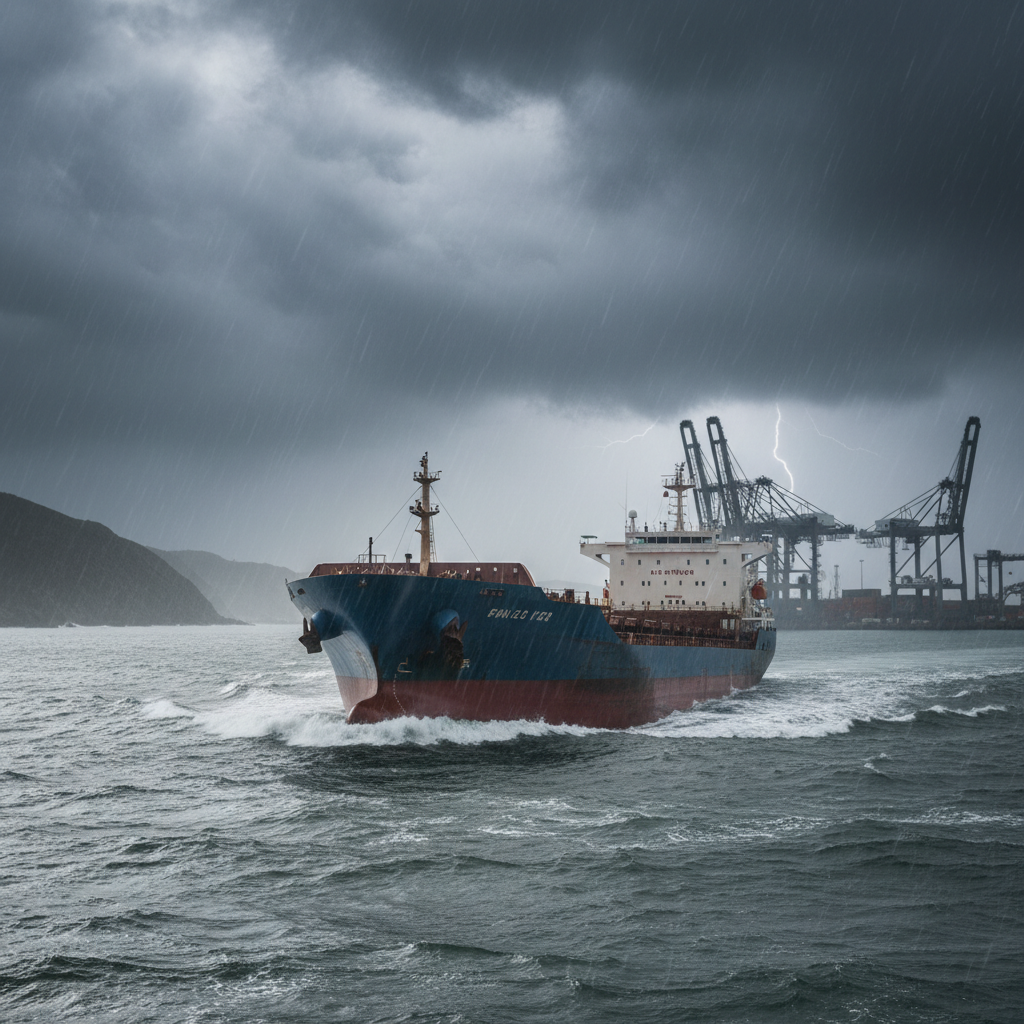
The Growing Impact of Atmospheric Events on Global Supply Chains
Global supply chains, inherently complex and interconnected, are increasingly vulnerable to the escalating frequency and intensity of extreme weather events. From powerful hurricanes and typhoons to severe blizzards, widespread flooding, and prolonged droughts, atmospheric phenomena are no longer isolated incidents but rather consistent disruptors. These events inflict immediate and far-reaching consequences, causing significant delays, damage to cargo and infrastructure, and necessitating costly rerouting. The ripple effect is profound: a single weather incident in one region can trigger a cascade of disruptions across multiple nodes of the global logistics network, impacting production schedules, inventory levels, and ultimately, customer satisfaction. The unpredictability of these events demands a proactive and adaptable approach to supply chain management, moving beyond traditional risk assessments to incorporate dynamic weather intelligence.
Key Lanes and Modes Under Pressure
Every mode of transportation faces unique challenges from adverse weather, leading to widespread operational inefficiencies and increased costs:
-
Ocean Freight: Maritime shipping, the backbone of global trade, is particularly susceptible. Major storm systems in critical regions like the North Atlantic, the Pacific's typhoon alley, or the Gulf of Mexico during hurricane season can force vessels to alter course, significantly extending transit times. Port closures due to high winds, storm surges, or heavy rainfall lead to immediate backlogs, with ships waiting offshore for berths to clear. This often results in container rollovers, where cargo misses its scheduled vessel, causing further delays and additional storage fees. The Suez and Panama Canals, vital chokepoints, can also experience weather-related restrictions, impacting global schedules.
-
Air Cargo: Air freight, prized for its speed, is highly sensitive to atmospheric conditions. Blizzards, dense fog, and strong crosswinds can ground flights, leading to widespread cancellations and delays at major air cargo hubs. Even less severe conditions can impact ground handling operations, slowing down loading and unloading processes and creating bottlenecks. This directly affects time-sensitive shipments, such as pharmaceuticals or high-value electronics, where delays can have significant financial implications.
-
Road Freight: Terrestrial transportation networks are frequently impacted by diverse weather phenomena. Flooded roads, icy conditions, and heavy snowfall can render routes impassable, leading to widespread road closures and significant delivery delays. Extreme heat can also cause road surfaces to buckle, necessitating repairs and diversions. Beyond direct route blockages, adverse weather compromises driver safety, often leading to reduced operating hours or mandatory stops, further exacerbating delays and increasing operational costs.
-
Rail Freight: Rail networks, while often more resilient than roads to certain conditions, are not immune. Heavy rainfall can cause track washouts and landslides, leading to line closures and extensive repair work. Extreme heat can cause railway tracks to buckle, necessitating speed restrictions to prevent derailments. Conversely, severe cold can affect the performance of rail equipment, including brakes and engines, leading to service interruptions and slower transit times.
Vulnerable Facilities and Infrastructure
Beyond the transport modes themselves, the static infrastructure supporting supply chains is equally vulnerable to weather's wrath:
-
Ports & Terminals: Coastal port facilities are at high risk from storm surges, high winds, and heavy precipitation. Cranes and other handling equipment can be damaged or rendered inoperable, leading to complete operational halts. Even after a storm passes, the sheer volume of delayed vessels can create severe congestion, taking days or even weeks to clear, impacting global shipping schedules.
-
Warehouses & Distribution Centers: These critical nodes in the supply chain can suffer direct damage from flooding, high winds, or heavy snow loads on roofs. Power outages can disrupt automated systems, refrigeration, and security. Beyond structural damage, accessibility to and from these facilities can be severely hampered by impassable roads, preventing the movement of goods and labor, leading to significant backlogs and potential inventory spoilage.
-
Airports: Similar to ports, airports can experience runway closures due to snow, ice, or poor visibility. Ground handling operations can be severely impacted by high winds or lightning, leading to delays in cargo loading and unloading, and creating a ripple effect across the air cargo network.
Proactive Strategies for Shippers
Mitigating weather-related supply chain risks requires a multi-faceted and proactive approach:
-
Diversification of Routes and Modes: Relying on a single shipping lane or mode increases vulnerability. Shippers should explore and establish relationships with multiple carriers and consider multi-modal strategies to provide alternative options when primary routes are compromised. For instance, shifting from ocean to air for critical components if port congestion is anticipated.
-
Strategic Inventory Buffers: While lean inventory is often a goal, maintaining strategic safety stock at key locations can absorb minor to moderate weather-induced delays without halting production or impacting customer delivery. This requires a careful balance to avoid excessive carrying costs.
-
Enhanced Predictive Capabilities: Moving beyond reactive responses, shippers must invest in robust weather forecasting and predictive analytics tools. Integrating real-time meteorological data with logistics planning allows for pre-emptive adjustments to schedules, routes, and inventory positioning before a storm hits.
-
Robust Communication Protocols: Establishing clear, rapid, and transparent communication channels with all supply chain partners – carriers, ports, warehouses, and customers – is paramount. Timely updates on disruptions, revised ETAs, and alternative plans can manage expectations and facilitate collaborative problem-solving.
-
Contingency Planning and Scenario Modeling: Developing detailed contingency plans for various weather scenarios, from localized flooding to regional hurricanes, is crucial. Regularly testing these plans through scenario modeling can identify weaknesses and refine responses, ensuring business continuity.
Leveraging Visibility Platforms for Resilience
In the face of increasing weather volatility, advanced shipment-visibility control tower platforms, such as MGS, are indispensable tools for building supply chain resilience:
-
Real-time Tracking and Monitoring: MGS platforms provide unparalleled real-time visibility into the precise location and status of every shipment, regardless of mode or carrier. This allows shippers to immediately identify which cargo is directly threatened or delayed by a weather event, rather than waiting for carrier updates.
-
Integrated Weather Intelligence: By integrating global weather data feeds directly into the platform, MGS can overlay meteorological forecasts onto active shipment routes and facility locations. This enables predictive analytics to flag potential disruptions before they occur, offering lead time for intervention.
-
Automated Alerts and Notifications: MGS can be configured to issue automated alerts for severe weather warnings in transit zones, at origin or destination ports, or near critical facilities. These instant notifications empower logistics teams to respond rapidly, initiating contingency plans.
-
Dynamic Route Optimization and Scenario Planning: When a disruption is identified or anticipated, MGS platforms can suggest alternative routes, modes, or even temporary storage solutions. Advanced scenario planning tools allow users to model the impact of different weather events and evaluate the cost and time implications of various mitigation strategies in real-time.
-
Data-Driven Decision Making: Beyond immediate crisis management, the wealth of historical and live data collected by MGS provides invaluable insights. Shippers can analyze past weather impacts, identify recurring vulnerabilities, and use this intelligence to optimize long-term network design, inventory placement, and carrier selection for enhanced resilience against future atmospheric challenges.
By transforming raw data into actionable intelligence, MGS platforms empower shippers to move from a reactive stance to a proactive and predictive one, ensuring cargo keeps moving even when the weather turns against them.
Source: gCaptain — https://gcaptain.com/bahrain-leads-countries-call-for-full-reopening-of-strait-of-hormuz-without-tolls/