
Black Sea Shipping Under Siege: 300 Vessels Disabled Amidst Escalating Tensions
Recent reports highlight a severe escalation of maritime disruptions in the Black Sea and Sea of Azov, with an estimated 300 vessels reportedly disabled. This unprecedented development, stemming from targeted actions, poses critical challenges for global supply chains, demanding immediate strategic adjustments from shippers and enhanced visibility solutions.
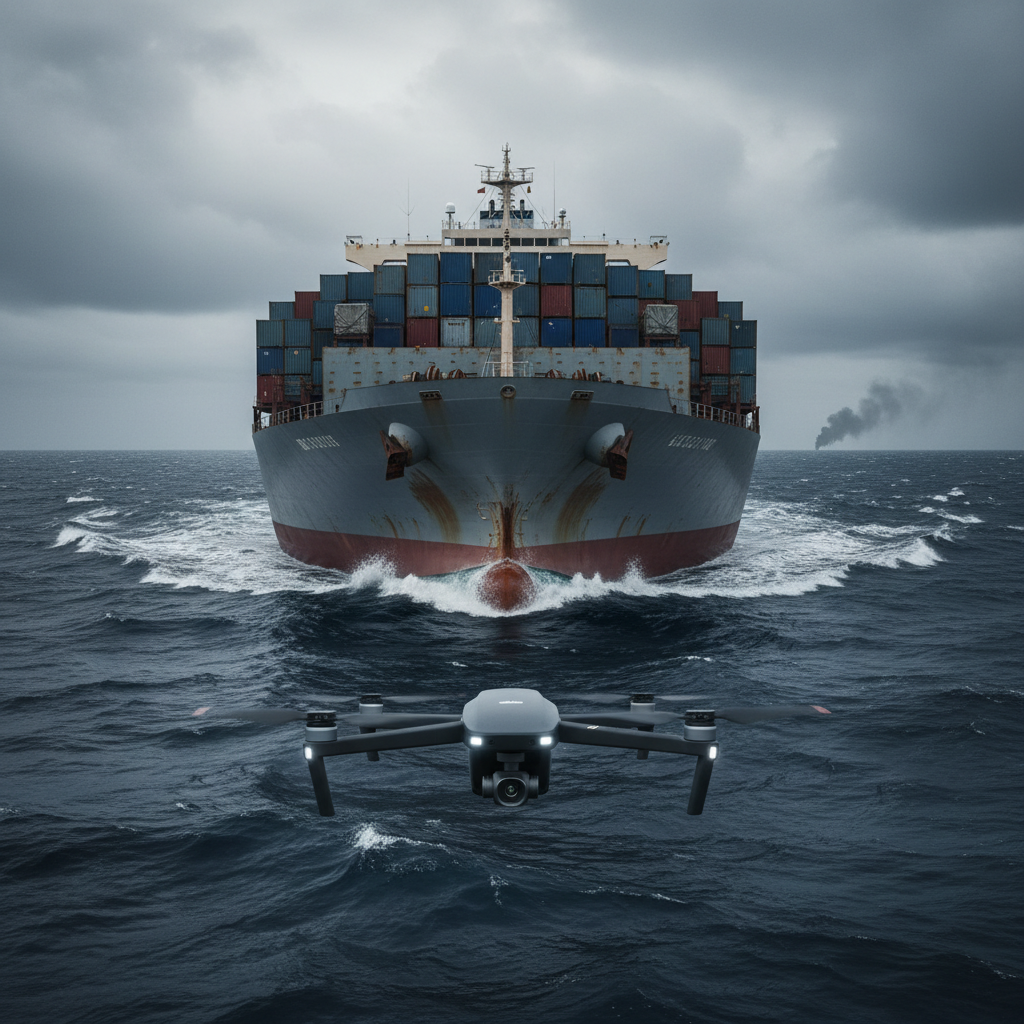
The Evolving Disruption Landscape
The global supply chain landscape is perpetually exposed to a myriad of risks, from natural disasters to economic shifts. However, a particularly potent and unpredictable threat emerges from geopolitical conflicts, as evidenced by the recent escalation of maritime disruptions in the Black Sea and Sea of Azov. Reports indicate a significant campaign, launched during the summer, specifically targeting Russian shipping, which has reportedly resulted in an estimated 300 ships disabled. This staggering figure underscores the severe and immediate impact of ongoing geopolitical tensions on commercial shipping operations.
Unlike conventional supply chain bottlenecks or seasonal weather phenomena, this form of disruption is deliberate, dynamic, and fraught with extreme uncertainty. The disabling of such a substantial number of vessels not only represents direct economic losses and operational paralysis for the affected entities but also sends a chilling ripple through the broader maritime industry. It elevates the perceived risk for all vessels operating in the region, regardless of their flag or cargo, leading to heightened insurance premiums, crew reluctance, and a general atmosphere of apprehension. Shippers must recognize that this is not a transient issue but a sustained campaign with profound implications for trade routes and logistics strategies.
Impacted Lanes and Facilities
The Sea of Azov and the Black Sea are not merely regional waterways; they are critical arteries for global trade, particularly for agricultural products, energy resources, and various raw materials originating from Eastern Europe and Central Asia. The targeted actions against shipping in these areas have effectively transformed these vital lanes into high-risk zones, severely impeding the free flow of goods.
The immediate consequence is a dramatic reduction in the viability and safety of these maritime corridors. Vessels are either unable or unwilling to traverse these waters, leading to de facto blockades and forcing extensive rerouting. This directly impacts the ports situated along these seas. While the source material does not specify individual facilities, it is axiomatic that any port reliant on maritime traffic through these now-contested waters will experience significant operational challenges. These include reduced vessel calls, increased dwell times for ships awaiting safe passage or alternative arrangements, and potential for congestion as vessels are forced to anchor or seek refuge. The long-term impact could involve infrastructure underutilization, economic strain on port communities, and a shift in regional trade dynamics as shippers seek more stable alternatives. The pressure on neighboring, safer ports outside the immediate conflict zone will also intensify, potentially leading to congestion and delays in those facilities as diverted traffic seeks new points of entry or exit.
Affected Modes and Cargo Types
The primary mode of transport unequivocally affected by these developments is maritime shipping. The disabling of 300 vessels represents a direct reduction in available capacity and a significant blow to the operational integrity of the fleets involved. Beyond the immediate physical damage, the broader implications for the shipping industry are profound:
- Insurance Premiums and Coverage: War risk insurance premiums for vessels operating in or transiting near these areas have soared, making operations prohibitively expensive for many carriers. In some cases, coverage may become entirely unavailable, forcing owners to withdraw vessels from service in the region.
- Crew Safety and Availability: The heightened risk to life and limb for seafarers makes it increasingly difficult to staff vessels willing to operate in these zones. Crew safety concerns are paramount, leading to potential labor shortages and increased operational costs.
- Vessel Availability and Routing: Shipowners may opt to reroute vessels via significantly longer and more costly passages to avoid the Black Sea and Sea of Azov, or simply redeploy their fleets to less volatile regions, further tightening global shipping capacity.
While the source does not detail specific cargo types, the Black Sea region is globally renowned as a critical export hub for grains (wheat, corn, barley), sunflower oil, and other agricultural commodities. It is also a significant route for energy products (oil, gas) and various bulk raw materials (metals, fertilizers). Disruptions to these flows have far-reaching consequences, impacting global food security, energy markets, and the cost of industrial inputs. Shippers dealing in these commodities face immediate challenges in sourcing, pricing, and delivery, potentially leading to supply shortages and price volatility in destination markets worldwide.
Strategic Responses for Shippers
In the face of such volatile and unpredictable geopolitical disruptions, shippers must adopt a proactive and agile approach to supply chain management. Mere reaction is insufficient; strategic foresight and robust contingency planning are essential:
- Dynamic Risk Assessment and Scenario Planning: Continuously monitor geopolitical developments and integrate real-time intelligence into risk assessments. Develop multiple scenario plans for various levels of escalation or de-escalation, outlining potential impacts on routes, costs, and lead times.
- Diversification of Routes and Modes: Explore and pre-qualify alternative maritime routes, even if they are longer and more expensive. For cargo that historically relied solely on sea transport through the Black Sea, investigate the feasibility and capacity of alternative modes such as rail, road, or even air freight for high-value, time-sensitive goods, despite the inherent cost increases and logistical complexities.
- Enhanced Inventory Management: Re-evaluate safety stock levels for critical raw materials and finished goods. Consider establishing buffer inventories in strategically located, safer regions to cushion against prolonged disruptions. This may involve higher holding costs but can prevent production stoppages or lost sales.
- Deepened Carrier and Supplier Engagement: Maintain open and frequent communication with all logistics partners, including ocean carriers, freight forwarders, and upstream suppliers. Understand their contingency plans, insurance coverage, and operational limitations. Collaborative planning can unlock innovative solutions and ensure transparency.
- Legal and Compliance Review: Scrutinize existing contracts for force majeure clauses, war risk clauses, and insurance policies to understand liabilities, coverage, and potential avenues for recourse or renegotiation in light of the escalated risks. Ensure compliance with any evolving sanctions regimes.
Leveraging Visibility for Resilience
In an environment where 300 ships disabled is a stark reality, a shipment-visibility control tower platform like MGS becomes an indispensable tool for shippers to navigate extreme volatility and build resilience. Its capabilities move beyond mere tracking to offer actionable intelligence and strategic advantages:
- Real-time Tracking and Geofencing: MGS provides granular, real-time visibility into the precise location and status of every shipment. This allows shippers to instantly identify if their cargo is approaching or within a designated high-risk zone in the Black Sea or Sea of Azov, enabling immediate intervention or rerouting decisions. Geofencing capabilities can trigger automated alerts when vessels enter or exit predefined areas of concern.
- Predictive Analytics and Risk Alerts: By integrating geopolitical intelligence feeds with live shipment data, MGS can offer predictive insights into potential disruptions. It can flag vessels at risk of delay, rerouting, or even direct threat, allowing shippers to proactively communicate with carriers and consignees, manage expectations, and initiate contingency plans before problems fully materialize.
- Dynamic Route Optimization and Scenario Modeling: When a primary route becomes unviable, MGS platforms can rapidly analyze alternative routes, comparing transit times, costs, and associated risks. This capability empowers shippers to make data-driven decisions on the fly, optimizing for speed, cost, or safety based on current priorities and the evolving situation.
- Enhanced Collaboration and Communication: A control tower acts as a central hub for all supply chain stakeholders. During a crisis, MGS facilitates seamless communication and collaboration among shippers, carriers, forwarders, and consignees, ensuring everyone is working from the same, most current information. This unified view is crucial for coordinating complex rerouting efforts and managing exceptions efficiently.
- Comprehensive Supply Chain Mapping and Vulnerability Assessment: Beyond individual shipments, MGS provides an end-to-end view of the entire supply chain. This helps shippers identify dependencies on specific lanes or facilities in high-risk regions, allowing for strategic adjustments to their network design, supplier diversification, and inventory placement to mitigate future geopolitical shocks.
By leveraging the advanced capabilities of a shipment-visibility control tower, shippers can transform a reactive response into a proactive strategy, safeguarding their cargo, optimizing their operations, and maintaining business continuity even amidst the most challenging geopolitical disruptions.