
Weathering the Storm: Navigating Supply Chain Disruptions
Unpredictable weather events are increasingly challenging global supply chains, impacting critical lanes, facilities, and transportation modes. This brief explores the multifaceted effects of meteorological phenomena and outlines proactive strategies for shippers, leveraging advanced visibility platforms.
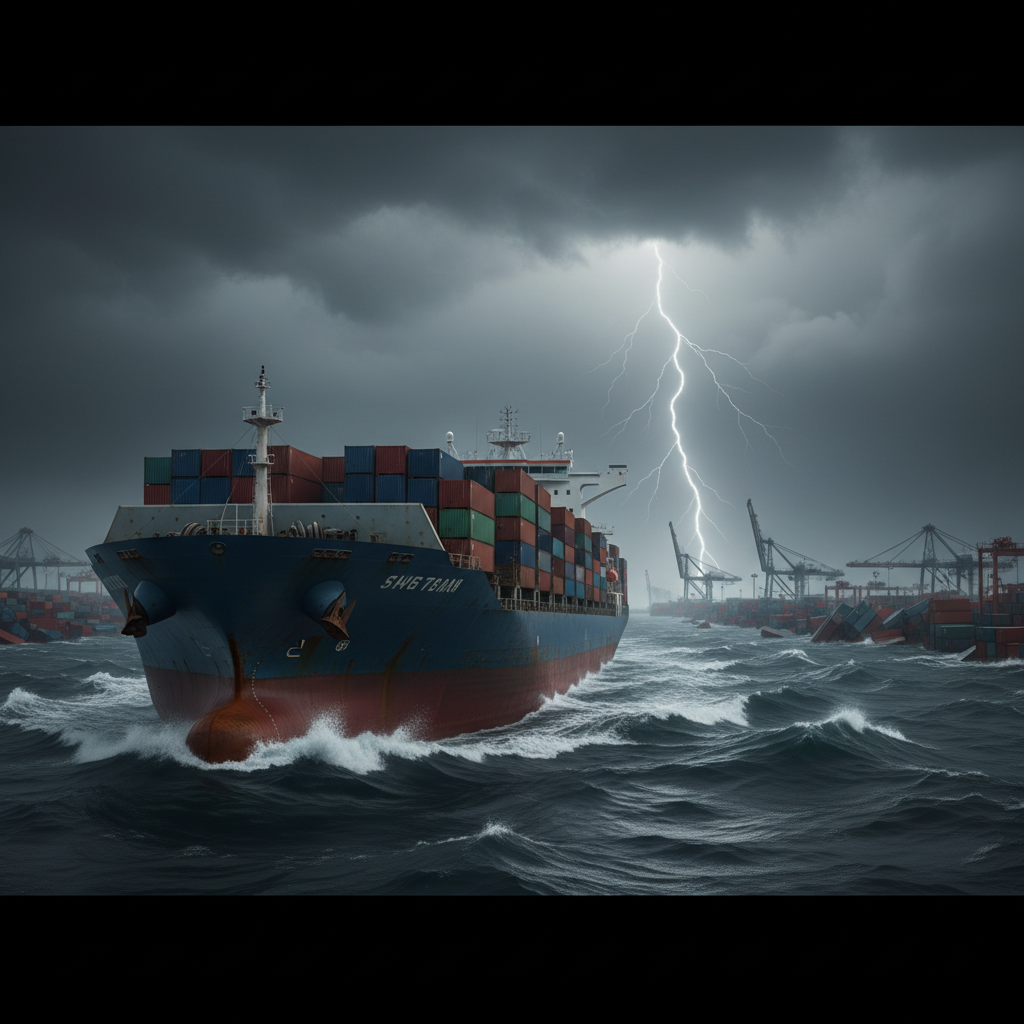
The Growing Impact of Extreme Weather on Global Logistics
The global supply chain, a complex web of interconnected movements, is increasingly vulnerable to the unpredictable and often severe impacts of weather phenomena. From intense storms and prolonged droughts to extreme temperatures and unseasonal precipitation, meteorological events are no longer isolated incidents but recurring challenges that demand robust mitigation strategies. These events disrupt the delicate balance of logistics operations, leading to delays, increased costs, and potential loss of cargo, ultimately affecting delivery schedules and customer satisfaction. The ripple effects extend across various sectors, underscoring the critical need for enhanced foresight and adaptive planning.
Affected Lanes and Routes
Weather-related disruptions manifest differently across various shipping lanes and transportation routes. Maritime routes are particularly susceptible to hurricanes, typhoons, and severe oceanic storms, which can force vessels to reroute, seek shelter, or experience significant delays. These diversions extend transit times and increase fuel consumption, impacting schedules and operational costs. Similarly, inland waterways, crucial for bulk cargo movement in many regions, can be rendered impassable by flooding or, conversely, by low water levels during droughts, restricting vessel drafts and capacity.
On land, road networks face closures due to heavy snow, ice, floods, or landslides, severing vital connections between production sites, distribution centers, and end markets. Major highways and arterial roads, when compromised, can bring regional logistics to a standstill. Rail networks, while often more resilient to certain weather conditions than roads, are not immune; tracks can buckle in extreme heat, be submerged by floods, or become impassable due to snow and ice, leading to service suspensions and significant backlogs. Air cargo operations are also heavily impacted by adverse weather, with fog, blizzards, and thunderstorms causing flight cancellations, diversions, and ground delays, affecting time-sensitive shipments and express deliveries.
Vulnerable Facilities and Infrastructure
Beyond transit routes, critical logistics facilities are also at the mercy of weather events. Ports, the gateways for international trade, can suffer severe damage from storm surges, high winds, and heavy rainfall, leading to operational shutdowns, equipment damage, and congestion. Cranes may be rendered inoperable, berths inaccessible, and container yards flooded, creating bottlenecks that can take days or weeks to clear. Airports face similar challenges, with runways and taxiways becoming unusable, and ground handling operations severely impeded by high winds or heavy precipitation.
Warehouses and distribution centers, often located in industrial parks susceptible to flooding or extreme temperatures, can experience structural damage, power outages, and disruption to loading/unloading activities. Cold chain facilities are particularly vulnerable, as power interruptions can compromise temperature-sensitive goods, leading to spoilage and substantial financial losses. Even seemingly minor weather events like persistent rain can slow down yard operations, reduce throughput, and impact worker safety and efficiency. The cumulative effect of these facility-level disruptions can cascade throughout the supply chain, exacerbating delays and creating backlogs far from the initial point of impact.
Impact Across Transportation Modes
Each mode of transportation exhibits unique vulnerabilities to weather. Ocean Freight: As mentioned, large-scale storms necessitate rerouting, leading to longer voyages and increased fuel burn. Port closures due to severe weather can cause significant vessel queues and schedule integrity issues, impacting global shipping networks. Road Freight: Trucking operations are highly sensitive to road conditions. Icy roads, heavy snow, and dense fog reduce visibility and increase accident risks, leading to speed restrictions, detours, and outright road closures. Flooding can make entire regions inaccessible, stranding goods and drivers. Rail Freight: While less susceptible to individual road closures, rail lines can be severely impacted by extreme temperatures (track expansion/contraction), landslides onto tracks, or widespread flooding that undermines railbeds. These events can halt long-haul movements and disrupt intermodal transfers. Air Freight: Air cargo is perhaps the most sensitive to immediate weather conditions. Fog, thunderstorms, and blizzards directly cause flight delays, diversions, and cancellations. Ground operations, including loading and unloading, are also significantly hampered by adverse weather, affecting the swift movement of high-value or time-critical cargo.
Strategies for Shippers to Mitigate Weather Risks
To navigate the increasing volatility introduced by weather, shippers must adopt proactive and resilient strategies:
1. Enhance Visibility and Predictive Analytics: Leveraging a shipment-visibility control tower like MGS is paramount. Such platforms provide real-time tracking of shipments across all modes and geographies. Crucially, they integrate weather data and predictive analytics to forecast potential disruptions. This allows shippers to anticipate storms, extreme temperatures, or flood risks along their planned routes and at critical facilities, enabling proactive decision-making.
2. Diversify Routes and Modes: Building flexibility into logistics networks is key. Shippers should identify alternative routes and consider multi-modal options for critical shipments. If a primary road route is prone to snow closures, having a rail alternative, or a different trucking lane, can maintain continuity. For ocean freight, understanding alternative port options can mitigate the impact of a single port closure.
3. Pre-position Inventory and Buffer Stock: Strategic placement of inventory in multiple locations can buffer against regional weather disruptions. Maintaining a reasonable level of safety stock allows operations to continue for a period even if a primary supply route or facility is temporarily inaccessible.
4. Strengthen Supplier and Carrier Relationships: Close collaboration with logistics partners is essential. Regular communication channels ensure that shippers are immediately informed of potential or actual weather impacts, allowing for joint problem-solving and adaptation. Carriers with robust contingency plans are invaluable partners.
5. Leverage Technology for Dynamic Re-routing: Advanced control tower platforms can not only predict disruptions but also suggest dynamic re-routing options in real-time. This capability allows shippers to quickly adjust plans, diverting cargo to less affected routes or facilities, minimizing delays and mitigating potential losses.
6. Implement Robust Communication Protocols: During a weather event, clear and timely communication with all stakeholders – suppliers, carriers, customers – is vital. A control tower centralizes this information, providing a single source of truth and enabling consistent updates, managing expectations and maintaining trust.
The MGS Advantage in a Volatile Climate
In an era where weather events are becoming more frequent and intense, the MGS shipment-visibility control tower offers an indispensable tool for supply chain resilience. By providing comprehensive real-time visibility, integrating advanced weather forecasting, and facilitating rapid response capabilities, MGS empowers shippers to move from reactive crisis management to proactive risk mitigation. This allows businesses to maintain operational continuity, protect their cargo, and uphold service commitments even in the face of nature's most formidable challenges. The ability to see, predict, and act decisively is no longer a luxury but a necessity for navigating the complexities of a weather-impacted global supply chain.
Source: Marine Insight — https://www.marineinsight.com/iran-to-open-strait-of-hormuz-within-7-days-if-u-s-lifts-iranian-naval-blockade-ends-sanctions/?utm_source=rss&utm_medium=rss&utm_campaign=iran-to-open-strait-of-hormuz-within-7-days-if-u-s-lifts-iranian-naval-blockade-ends-sanctions