
Red Sea Resilience: Yanbu Pipeline Restart and the Enduring Need for Supply Chain Visibility
The recent restart of Saudi Arabia's East–West pipeline, following drone strikes in early September 2026, highlights the volatile nature of global supply chains. This brief analyzes the operational consequences for cargo movement, emphasizing the critical role of real-time visibility in mitigating disruption.
Executive Summary
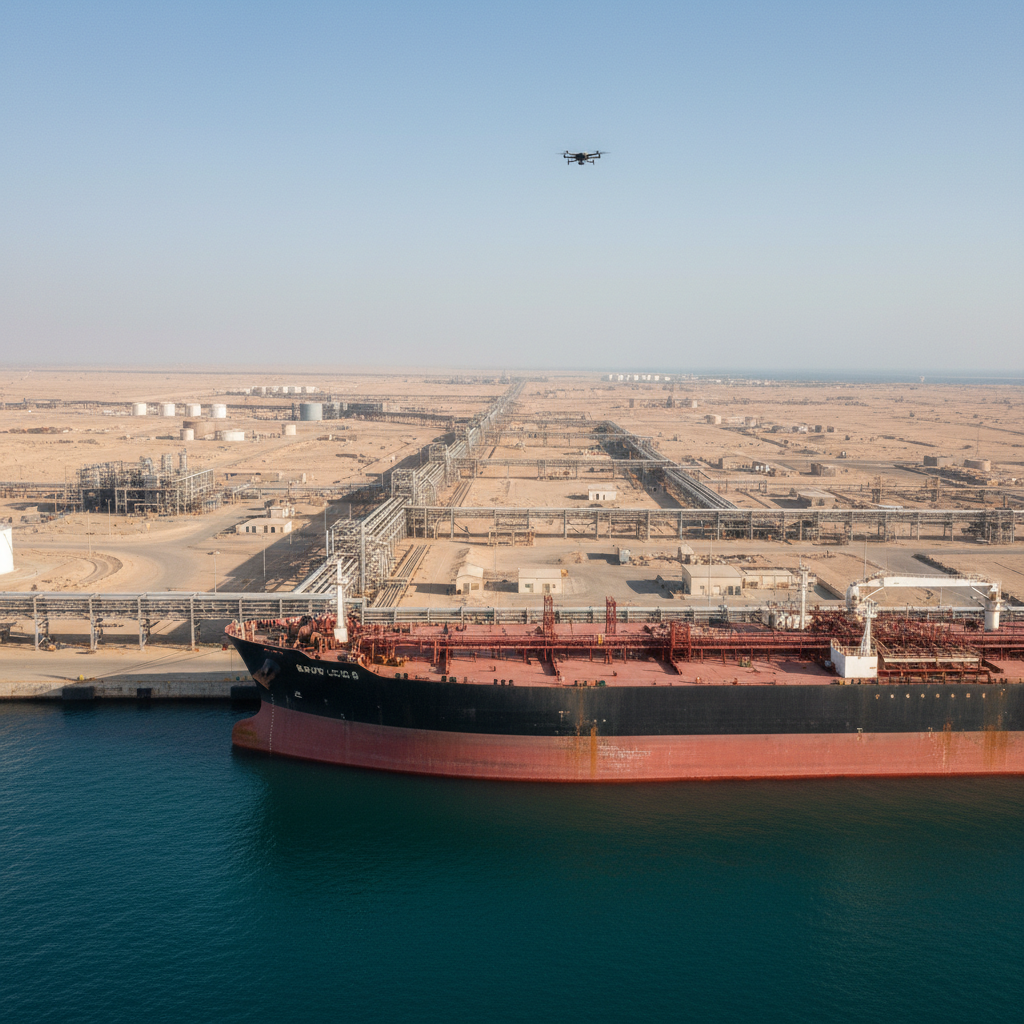
The global supply chain landscape remains acutely sensitive to geopolitical instability, as evidenced by the recent disruption to Saudi Arabia's critical East–West crude pipeline. Following drone strikes on September 10–11, 2026, the pipeline was forced into a shutdown, immediately halting crude loadings at the Red Sea port of Yanbu. As of September 23, 2026, crude flow has resumed, signaling a return to normal operations for this vital artery. However, the incident serves as a stark reminder of how rapidly unforeseen events can impact cargo movement, routes, and transit times. This brief examines the immediate and broader implications of such disruptions on trade and transport, underscoring the indispensable role of advanced shipment-visibility platforms in fostering supply chain resilience.
Impact on Cargo Routes & Transit Times
The temporary shutdown of the East–West pipeline directly impacted the flow of crude oil to the Red Sea port of Yanbu. Yanbu is a significant export hub, particularly for crude oil destined for markets accessible via the Suez Canal or for consumption within the Red Sea region. The halt in loadings meant that vessels scheduled to pick up crude at Yanbu faced immediate delays or diversions. For shippers and carriers, this necessitated a rapid reassessment of their logistics strategies. Crude oil that would typically be loaded at Yanbu might have had to be sourced from alternative locations, potentially involving longer voyages from other Gulf ports or even from different continents, thereby increasing transit times significantly. Such rerouting can lead to higher fuel costs, increased insurance premiums due to perceived risk in alternative areas, and a domino effect of delays impacting downstream refining and distribution schedules globally. Even a short-term disruption, as seen between September 10 and September 23, can create a backlog of vessels and cargo, leading to congestion at other ports as diverted ships seek new loading or unloading berths. For MGS users, the ability to track vessels in real-time and receive alerts on port status changes or route deviations is paramount, allowing for proactive communication with consignees and the exploration of alternative logistics solutions before significant delays accumulate.
Airspace & Waterway Disruptions
While the primary impact of the drone strikes was on the physical pipeline and subsequent port operations at Yanbu, the nature of the attack—drone strikes—carries inherent implications for regional airspace and waterway security. Although the source material does not specify direct airspace closures, incidents involving aerial threats often lead to heightened security protocols, temporary flight restrictions, or advisories for commercial aviation in the vicinity. For maritime operations, the Red Sea, a critical global shipping lane, is already a complex environment. A security incident at a major port like Yanbu, even if localized, can elevate perceived risks for vessels transiting the broader Red Sea region. Shipping companies may increase their vigilance, adjust speeds, or even consider alternative, longer routes if the threat perception escalates, impacting transit times and operational costs. The immediate consequence for waterways was the cessation of crude loadings at Yanbu, directly affecting vessel traffic to and from that port. The restart of the pipeline means that this specific operational bottleneck for crude exports from Yanbu has been resolved, allowing normal vessel movements to resume. However, the underlying vulnerability to such attacks persists, necessitating continuous monitoring of regional security advisories and maritime intelligence. A shipment-visibility control tower like MGS provides critical intelligence overlays, integrating security alerts and real-time vessel positions to help logistics managers make informed decisions about route safety and efficiency.
Tariffs & Sanctions (if applicable)
This specific incident, involving drone strikes on a pipeline and a subsequent operational halt at the port of Yanbu, did not directly introduce new tariffs or sanctions. The disruption was a physical and operational one, rather than a political or economic trade barrier. Geopolitical events, however, frequently serve as precursors or catalysts for the imposition of tariffs, sanctions, or other trade restrictions. While the restart of the pipeline mitigates the immediate operational impact, the underlying geopolitical tensions that led to the drone strikes remain a factor. These tensions could, in the future, contribute to a broader environment where trade policies, including tariffs or sanctions, are used as tools of statecraft. For now, the consequences are limited to the physical flow of goods and the associated logistical challenges, rather than changes in trade policy frameworks. It is crucial for supply chain analysts to distinguish between direct operational disruptions and the broader, often slower-moving, evolution of trade policy in response to geopolitical shifts.
Supply Chain Resilience & Visibility
The temporary shutdown of the East–West pipeline and the halt of loadings at Yanbu vividly illustrate the inherent vulnerabilities within global supply chains. Such unforeseen events, occurring with little to no warning, can rapidly cascade into significant operational and financial challenges. The ability to react swiftly and effectively to these disruptions is a hallmark of a resilient supply chain. Without real-time visibility, organizations are often left in the dark, reacting to problems long after they have occurred. This leads to delayed decision-making, increased costs due to expedited shipping or last-minute rerouting, and potential breaches of contractual obligations. The incident underscores the critical need for platforms like MGS, which provide end-to-end shipment visibility. By offering real-time tracking of cargo, vessels, and port statuses, MGS empowers supply chain managers to identify potential delays as they emerge, assess the impact on their specific shipments, and proactively implement contingency plans. This includes rerouting cargo, adjusting production schedules, or communicating transparently with customers about revised delivery expectations. The rapid resumption of operations at Yanbu is positive, but the event itself highlights that the 'black swan' events are becoming more frequent. Investing in robust visibility tools is no longer a luxury but a fundamental requirement for navigating the increasingly complex and volatile global trade environment.
Source: Dryad Global — https://channel16.dryadglobal.com/saudi-east-west-pipeline-restart-what-it-means-for-yanbu-exports