
Geopolitical Tensions Escalate: The Human Cost and Supply Chain Impact of Maritime Conflict
An attack on a merchant vessel highlights the severe risks in conflict zones, disrupting critical shipping lanes and demanding heightened vigilance from global supply chains.
The Escalating Threat to Maritime Operations
The global supply chain operates on a delicate balance, where the smooth flow of goods is often taken for granted. However, recent events serve as a stark reminder that this equilibrium can be shattered by geopolitical realities. A tragic incident reported in September, where the master of a cargo ship was killed in an attack, underscores the severe and often deadly risks faced by merchant shipping in conflict zones. This is not merely an isolated tragedy; it represents a profound escalation of threats to international commerce, directly impacting the safety of seafarers and the reliability of global trade routes.
Such incidents send shockwaves through the maritime industry, leading to heightened caution, increased insurance premiums, and a re-evaluation of risk profiles for entire regions. For supply chain professionals, the implications are immediate and far-reaching. The human cost is paramount, but the operational and economic consequences are also immense, threatening to disrupt the movement of essential commodities and manufactured goods. In an environment where geopolitical tensions can quickly translate into physical threats, understanding and mitigating these risks becomes an imperative for maintaining supply chain resilience.
Critical Lanes Under Duress
The incident, involving Ukraine's Ports Authority, strongly points to the Black Sea region as the area of concern. This maritime corridor is not just a body of water; it is a critical artery for global trade, particularly for the export of agricultural products like grain and other vital raw materials. When such a strategically important lane becomes a theater of conflict, its functionality is severely compromised.
Conflict in these critical lanes creates a cascade of challenges. Firstly, it introduces direct physical threats, making navigation perilous. Secondly, it leads to the establishment of 'war risk zones,' which dramatically increase operating costs through prohibitive insurance premiums. Many shipping companies may opt to avoid these areas entirely, leading to longer transit times as vessels are rerouted through alternative, often less efficient, pathways. These diversions not only inflate fuel consumption and operational expenses but also strain capacity on other routes, potentially causing congestion and delays across interconnected supply networks. The cumulative effect is a significant slowdown in global trade velocity and an increase in the cost of goods, ultimately impacting consumers worldwide.
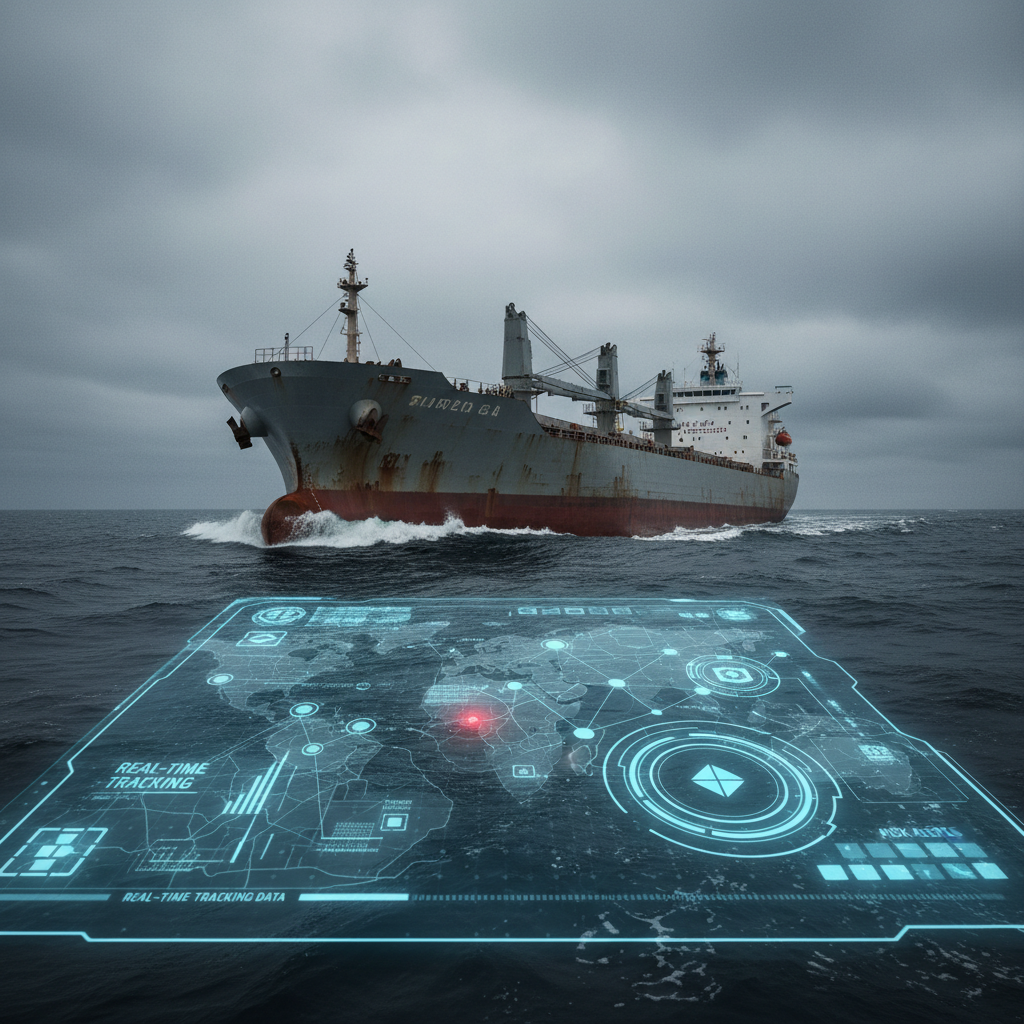
For shippers, maintaining visibility into the real-time status of these lanes is crucial. An MGS shipment-visibility control tower platform provides the capability to track vessels against dynamic geopolitical risk maps. This allows supply chain analysts to identify when a shipment is approaching or within a declared high-risk zone, enabling proactive decision-making such as rerouting, holding shipments, or communicating potential delays to downstream partners. This real-time intelligence is vital for navigating an increasingly complex and dangerous global maritime landscape.
Impact on Port Facilities and Operations
When maritime lanes are under duress, the ports that serve them inevitably face significant disruption. The involvement of Ukraine's Ports Authority in the reporting of the September incident highlights the direct impact on port facilities within conflict zones. These ports can become targets, suffer infrastructural damage, or simply become inaccessible due to ongoing hostilities or blockades.
The consequences for port operations are severe. Vessels may be unable to call at ports for loading or unloading, leading to stranded cargo, demurrage charges, and significant delays. Port staff and labor may be displaced or unable to work safely, further hampering operations. Even if a port remains physically intact, the reluctance of shipping lines to enter a conflict zone can effectively render it non-operational for international trade. This creates bottlenecks, diverts traffic to less equipped or more distant ports, and can lead to a backlog of goods that struggle to find alternative export or import channels.
Shippers relying on these facilities must contend with unpredictable closures, capacity constraints at alternative ports, and the potential for cargo damage or loss. An MGS control tower platform offers a crucial advantage by providing real-time updates on port status, congestion levels, and potential closures in affected regions. This visibility allows shippers to adjust their logistics plans rapidly, diverting cargo to safer ports, arranging for alternative transport, or activating contingency plans, thereby minimizing the financial and operational fallout from port disruptions.
Vulnerability of Maritime Modes
The incident involving the death of a cargo ship's master tragically underscores the inherent vulnerability of maritime modes of transport in conflict areas. Cargo ships, by their very nature, are large, relatively slow-moving targets, and their crews are often civilians caught in geopolitical crossfire. The direct targeting or accidental involvement of merchant vessels in hostilities poses an existential threat to the safety of seafarers and the integrity of global shipping operations.
Beyond the direct threat of attack, maritime vessels face a myriad of indirect challenges. Increased security measures, such as armed guards or escort vessels, add to operational costs. The availability of experienced crews willing to sail into high-risk zones diminishes, leading to potential labor shortages. Furthermore, the risk of mines or other naval hazards can force ships to navigate through pre-cleared, often circuitous, channels, adding time and fuel consumption to voyages. The economic viability of operating in such environments is severely tested, potentially leading to fewer vessels serving these routes and a resultant squeeze on available capacity.
For shippers, understanding the specific risks associated with their chosen maritime mode and the routes it traverses is paramount. An MGS control tower can integrate threat intelligence with vessel tracking, providing alerts if a ship deviates from safe corridors or enters a newly designated danger zone. This level of granular visibility empowers shippers to assess the risk to their specific cargo, enabling them to make informed decisions about vessel selection, route planning, and the implementation of enhanced security protocols, thereby safeguarding both their goods and the lives of those transporting them.
Mitigating Risks: A Shipper's Imperative
In an era defined by geopolitical volatility, shippers must adopt a proactive and resilient approach to supply chain management. The incident in September serves as a powerful call to action, emphasizing the need for robust strategies to mitigate the impact of maritime conflict.
-
Enhanced Visibility and Real-time Monitoring: The cornerstone of resilience is comprehensive visibility. An MGS shipment-visibility control tower platform is indispensable for tracking cargo movements in real-time across all modes and lanes. By integrating geopolitical risk data, weather patterns, and port status updates, shippers gain an unparalleled understanding of potential threats to their supply chain. This enables immediate identification of shipments in jeopardy and facilitates rapid response.
-
Proactive Risk Assessment and Scenario Planning: Shippers must move beyond reactive measures. This involves continuously assessing geopolitical landscapes, identifying potential flashpoints, and understanding their likely impact on critical trade lanes and facilities. Developing multiple contingency plans for various scenarios—such as port closures, route diversions, or vessel attacks—is crucial. An MGS platform can support this by providing historical data and predictive analytics to model potential disruptions and evaluate alternative strategies.
-
Diversification of Routes and Modes: Over-reliance on a single route or mode of transport in a high-risk region is a significant vulnerability. Shippers should explore diversifying their logistics networks, utilizing multiple carriers, alternative ports, and even considering multimodal solutions where feasible. While potentially increasing costs in the short term, this diversification builds inherent resilience against localized disruptions.
-
Strengthening Supplier and Partner Relationships: Close collaboration with carriers, freight forwarders, and suppliers is vital. Establishing clear communication protocols and shared understanding of risk parameters ensures that all stakeholders can respond cohesively during a crisis. An MGS platform can facilitate this by providing a single source of truth for shipment data, enabling seamless information sharing and coordinated decision-making.
-
Robust Insurance and Legal Frameworks: Reviewing and updating insurance policies to ensure adequate coverage for war risks, cargo damage, and business interruption is essential. Understanding international maritime law and contractual obligations in conflict situations can help mitigate financial and legal exposure.
The September incident is a stark reminder that the global supply chain is not immune to geopolitical forces. By leveraging advanced visibility tools like the MGS control tower platform and implementing comprehensive risk mitigation strategies, shippers can better navigate these turbulent waters, protect their assets, and ensure the continuity of their operations.
Source: The Maritime Executive — https://maritime-executive.com/article/captain-killed-in-russia-s-latest-attack-on-merchant-shipping