
Two Tankers Attacked in Strait of Hormuz on November 16
Recent attacks on two tankers in the Strait of Hormuz, resulting in engine-room fires and one vessel disabled, signal a heightened risk environment for global maritime trade. This incident on Monday, November 16, directly impacts energy flows and necessitates immediate strategic adjustments from shippers and forwarders.
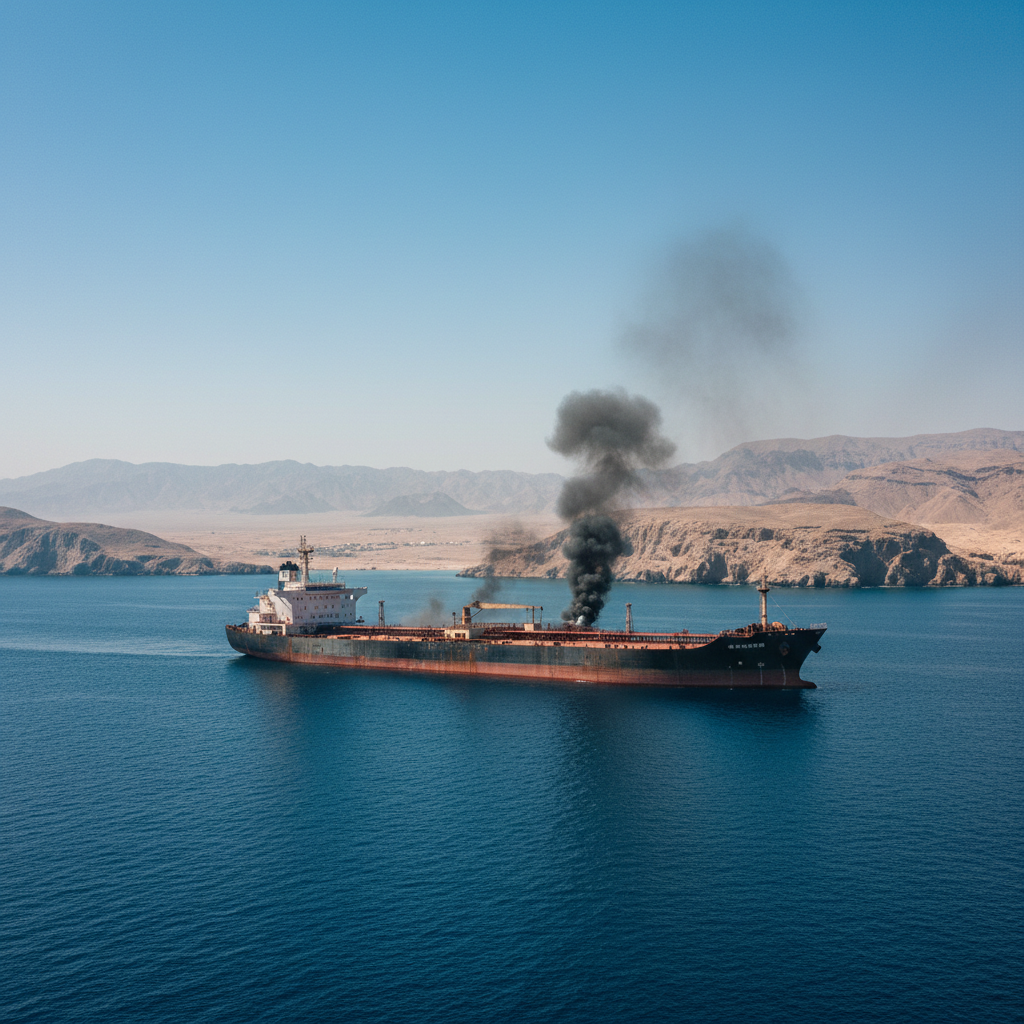
The Strait of Hormuz, a narrow waterway connecting the Persian Gulf to the open ocean, experienced a significant security incident on Monday, November 16. Two tankers were reportedly attacked, with both vessels sustaining engine-room fires. One of the tankers was left disabled following the incident. These events immediately raise concerns for the global supply chain, particularly for the movement of energy commodities.
Strait of Hormuz Incidents Elevate Maritime Risk
The Strait of Hormuz is a choke point for global energy supplies, with approximately 20% of the world's petroleum liquids and a substantial portion of its liquefied natural gas (LNG) transiting through it daily. The reported attacks on two tankers, resulting in engine-room fires and one vessel becoming disabled, directly threaten the unimpeded flow of these commodities. Such incidents create an environment of uncertainty for vessel operators and cargo owners. The immediate consequence is a re-evaluation of risk profiles for all maritime traffic in the region. Crew safety becomes a paramount concern, potentially affecting crew availability and willingness to sail through the area. Furthermore, the operational disruption caused by disabled vessels can lead to temporary blockages or diversions, adding to transit times and operational costs. The nature of these attacks, targeting engine rooms, suggests an intent to incapacitate vessels, which has broader implications for the perceived security of the entire waterway. Shippers must now factor in a higher probability of delays and potential damage to cargo when planning routes through this critical maritime passage.
Insurance Premiums and Transit Costs Surge
Following incidents like the tanker attacks in the Strait of Hormuz, the immediate financial impact is typically seen in the maritime insurance market. Insurers often reclassify the region as a 'war risk' zone, leading to a rapid increase in premiums for vessels transiting the Strait. These additional costs are inevitably passed on to shippers through higher freight rates. For crude oil and LNG carriers, which represent a substantial portion of the traffic, this translates into a direct increase in the cost of energy transportation. Beyond insurance, vessel owners may demand higher charter rates to compensate for the elevated risk, or some may even choose to avoid the Strait altogether. While alternative routes exist, such as pipelines for some crude oil, they are not universally available for all commodities or destinations and often involve significantly longer transit times and higher fuel consumption. The cumulative effect of increased insurance, higher freight rates, and potential rerouting adds considerable expense to the supply chain, ultimately affecting end-consumer prices for energy products globally. Shippers need to anticipate these cost escalations and factor them into their procurement and sales strategies.
Global Energy Supply Chain Vulnerabilities Exposed
The Strait of Hormuz incidents highlight the inherent vulnerabilities within the global energy supply chain. A disruption in this single waterway can have far-reaching consequences for economies dependent on consistent energy imports. Refineries, power plants, and industries reliant on stable energy supplies face potential shortages or price volatility. The attacks on Monday, November 16, serve as a stark reminder that geopolitical events can swiftly impact physical cargo movement and market stability. For shippers, this means a need to assess their exposure to single points of failure in their supply networks. Relying heavily on a single transit route or a limited number of suppliers becomes a liability when such disruptions occur. The incident underscores the importance of having diversified sourcing strategies and maintaining adequate inventory levels to buffer against unexpected supply interruptions. Companies that have invested in resilient supply chain designs, including multi-modal options and geographically dispersed suppliers, will be better positioned to absorb the shocks emanating from such geopolitical events.
Shippers Must Reassess Route Security and Contingency Plans
In response to the heightened risk in the Strait of Hormuz, shippers must proactively reassess their operational strategies. The first step involves enhanced communication with carriers and freight forwarders to obtain real-time intelligence on security conditions and any changes in transit advisories. Reviewing existing contracts for clauses related to force majeure, war risk, and deviation is essential to understand liabilities and recourse options. Shippers should also evaluate the feasibility and cost implications of alternative shipping routes, even if they are less efficient. This includes considering overland options where available, or longer sea routes around the Arabian Peninsula, despite the increased transit time and fuel costs. Developing robust contingency plans that include alternative sourcing locations or temporary inventory build-ups can mitigate the impact of future disruptions. Collaboration with insurance providers to understand coverage limitations and potential premium adjustments is also important. These proactive measures are not just about reacting to the current incident but building a more adaptable and secure supply chain for the future, acknowledging the persistent geopolitical risks in key maritime corridors.
Source: gCaptain — https://gcaptain.com/ukmto-reports-two-tanker-attacks-in-strait-of-hormuz/