
Somali-Flagged Cargo Ship Capsizes Off Bulgaria After Reported Drone Attack
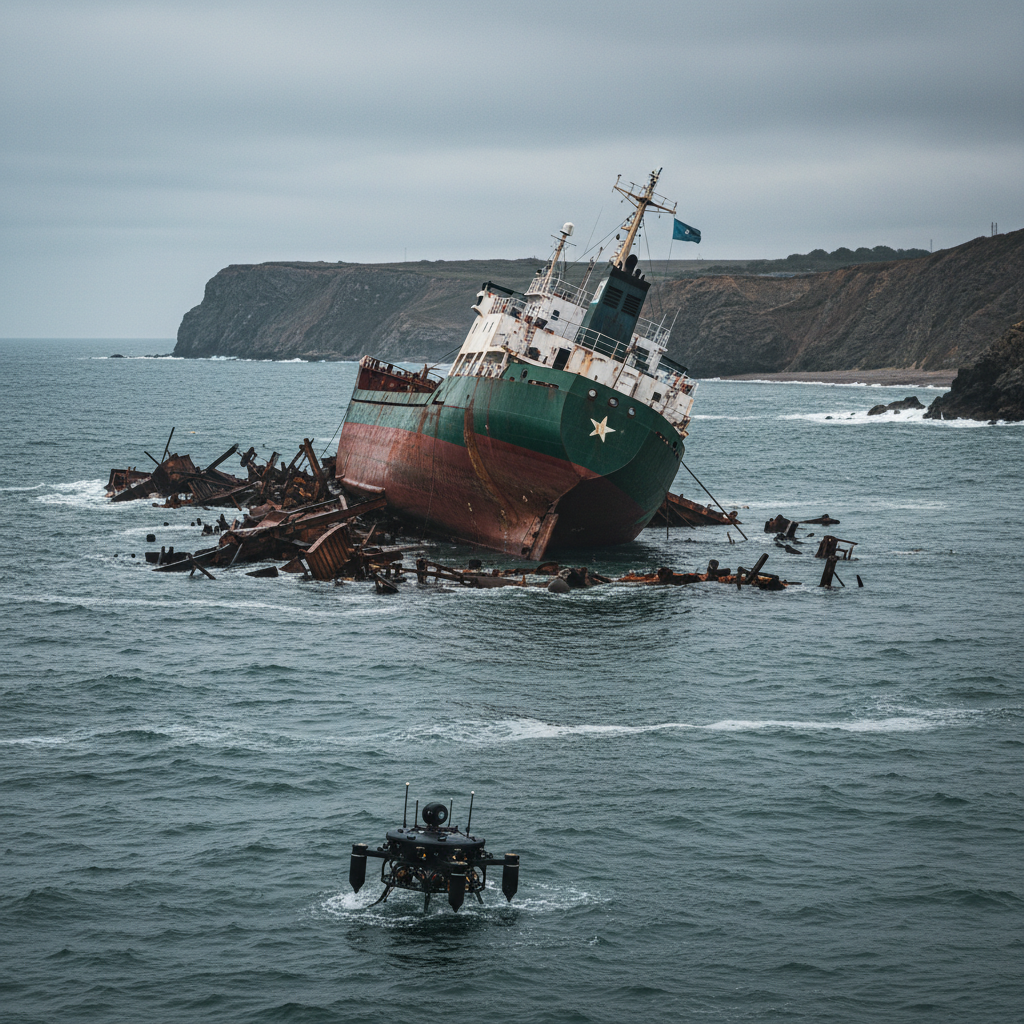
A Somali-flagged cargo ship carrying nearly 3,000 metric tons of wheat capsized off Bulgaria following a reported sea drone attack, signaling heightened risks for Black Sea shipping lanes and demanding urgent strategic adjustments from shippers.
Black Sea Shipping Lanes Face Escalating Threat
Shipping operations in the Black Sea region have encountered a significant escalation of risk following the reported sea drone attack on a Somali-flagged cargo ship off the coast of Bulgaria. This incident, which resulted in the vessel's capsizing, marks a concerning development for maritime security in an already volatile area. The location of the attack, within the vicinity of a NATO member's territorial waters, indicates a broadening scope of potential threats beyond previously concentrated zones. For shippers and forwarders, this event underscores the unpredictable nature of transit through the Black Sea, impacting not only direct routes but also the broader perception of safety for vessels operating in the region. The mechanism of the attack, involving sea drones, represents a modern and difficult-to-counter threat, adding a new layer of complexity to risk assessments for all maritime stakeholders. This incident will likely prompt a re-evaluation of security protocols and naval presence in the western Black Sea, affecting transit times and operational planning for commercial vessels.
3,000 Metric Tons of Wheat Lost, Supply Chain Fragility Exposed
The capsizing of the cargo ship led to the loss of nearly 3,000 metric tons of wheat. This specific commodity loss highlights the vulnerability of agricultural supply chains originating from the Black Sea, a region critical for global grain exports. While 3,000 metric tons may not represent a substantial portion of global wheat trade, the incident's nature — a direct attack leading to cargo loss — sends a strong signal about the fragility of these supply lines. Shippers relying on Black Sea routes for bulk commodities, such as grains, fertilizers, and steel, must now factor in an increased probability of disruption and potential cargo loss. The incident will likely contribute to upward pressure on insurance premiums for vessels and cargo transiting the Black Sea, directly increasing the cost of goods. Furthermore, the loss of a vessel, regardless of its size, reduces available capacity in a market that often operates with tight margins. This event could also trigger delays as port authorities and maritime security agencies enhance inspections and implement new safety measures, affecting the flow of goods through key Black Sea ports.
Rising Operational Costs and Insurance Premiums for Black Sea Routes
The reported drone attack will inevitably translate into higher operational costs for any vessel owner or charterer considering Black Sea voyages. War risk insurance premiums, already elevated due to ongoing geopolitical tensions, are expected to climb further. Insurers will reassess their risk models, potentially designating wider areas of the Black Sea as high-risk zones, leading to increased surcharges. These additional costs are ultimately passed down the supply chain to shippers and, eventually, to consumers. Beyond insurance, vessel operators may demand higher freight rates to compensate for the perceived increase in danger and the potential for delays or diversions. Crew wages for voyages into high-risk areas also typically increase, adding another layer of expense. Furthermore, the incident could lead to a scarcity of willing vessel operators or a preference for larger, more robust vessels, impacting the availability and flexibility of shipping options for certain cargo types. This financial burden makes alternative routes, even if longer or more complex, increasingly attractive for cost-conscious supply chain managers.
Shippers Must Prioritize Route Diversification and Risk Mitigation
In response to the escalating risks exemplified by the capsizing off Bulgaria, shippers must proactively review and adjust their supply chain strategies. Prioritizing route diversification is no longer an option but a necessity. Exploring alternative land-based corridors, such as rail links through Central Asia or multimodal routes bypassing the Black Sea entirely, becomes a more viable option despite potentially higher initial costs or longer transit times. For cargo that must transit the Black Sea, shippers should engage closely with their forwarders and carriers to understand the specific war risk clauses in their contracts and the extent of their cargo insurance coverage. Implementing robust contingency plans for potential delays, diversions, or cargo loss is crucial. This includes identifying alternative suppliers or markets, maintaining buffer stocks, and establishing clear communication protocols with all supply chain partners. Regular intelligence updates on maritime security in the Black Sea region are also essential for making informed decisions and adapting quickly to evolving threats. Proactive risk mitigation, rather than reactive crisis management, will define resilient supply chains in this challenging environment.
Source: gCaptain — https://gcaptain.com/cargo-ship-capsizes-off-bulgaria-after-reported-sea-drone-attack/