
Trump, Xi, Putin Summit in Shenzhen Signals Global Trade Realignment
The upcoming trilateral summit between the leaders of the United States, China, and Russia in Shenzhen on November 19, 2026, is set to redefine global trade relationships, prompting shippers and forwarders to re-evaluate supply chain routes, costs, and operational strategies.
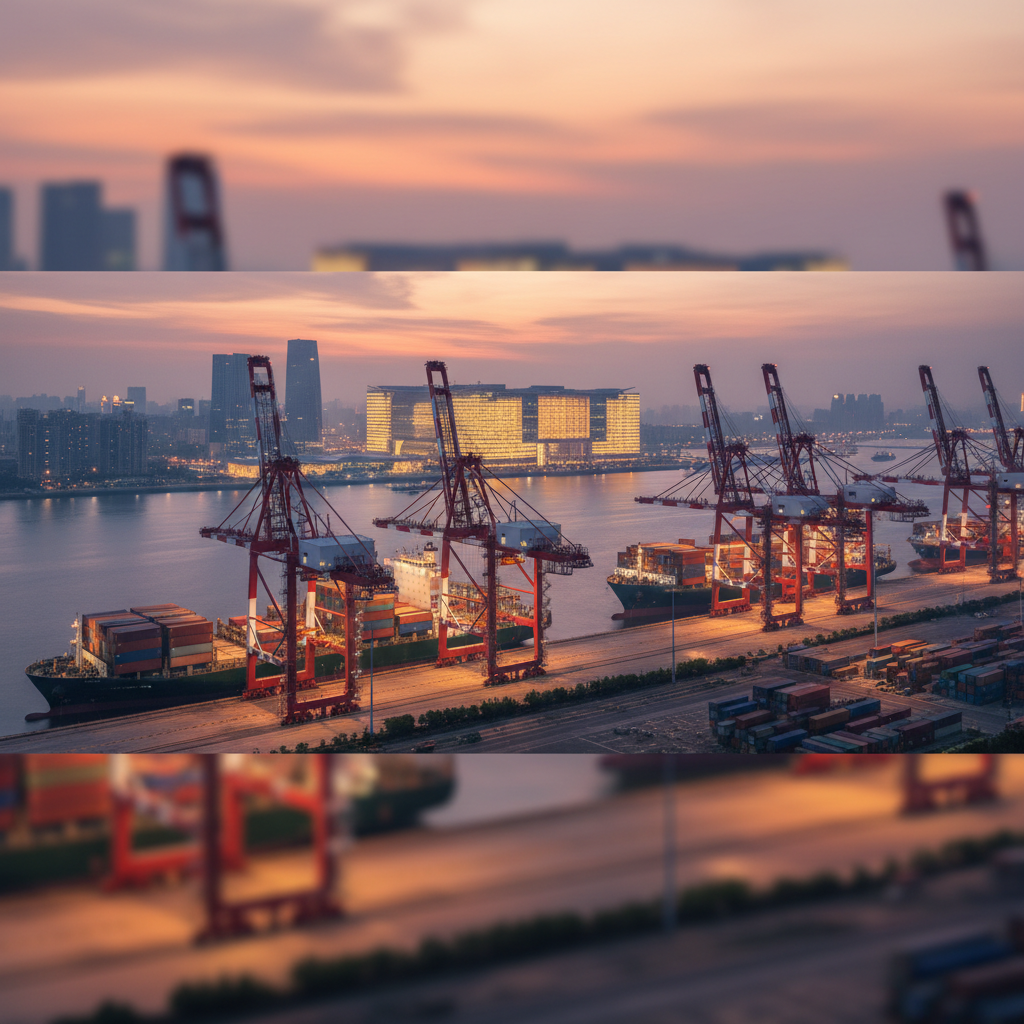
Shenzhen Summit Signals Potential Shift in Global Trade Routes
The scheduled meeting in Shenzhen on November 19, 2026, bringing together the leaders of the United States, China, and Russia, represents a notable development in international relations, occurring alongside the Asia-Pacific Economic Cooperation (APEC) summit. This gathering of three major economic powers could initiate a period of re-evaluation for global trade flows and established logistics networks. Shippers and forwarders must consider how potential new agreements or solidified alliances might alter traditional shipping lanes, air cargo corridors, and rail freight routes.
For instance, if the summit leads to new bilateral or trilateral trade pacts, certain corridors might experience increased traffic, while others could see reduced volumes. This could directly affect vessel deployment strategies for ocean carriers, requiring adjustments to port calls and service frequencies. Similarly, air cargo operators might need to reallocate capacity on key routes, impacting available space and transit times. The focus on Shenzhen, a key manufacturing and logistics hub in China, highlights the region's central role in any discussions about global commerce. Any outcomes from this summit could accelerate existing trends towards supply chain diversification, encouraging companies to explore multi-modal transport options and regional sourcing strategies. This might mean a greater emphasis on intra-Asia trade routes, or a re-prioritization of trade lanes connecting these three nations directly, potentially at the expense of traditional routes that pass through other regions. The operational challenge for logistics providers will be adapting to these potential shifts, requiring flexibility in network design, asset deployment, and customs compliance procedures across different jurisdictions. The long-term implications could include a re-drawing of preferred trade maps, influencing where new distribution centers are established and where manufacturing facilities are located to optimize for these evolving routes.
Financial Implications for Global Commerce and Supply Chain Costs
The financial impact of this summit on global supply chains could be substantial, affecting costs for shippers, carriers, and the broader trade ecosystem. Discussions among these leaders could lead to changes in tariff structures, trade barriers, or currency agreements, directly influencing the landed cost of goods. For example, new trade agreements could reduce import duties on specific product categories, making certain goods more competitive in destination markets. Conversely, new restrictions or sanctions could increase costs through higher tariffs, additional compliance requirements, or the need to source from more expensive alternative suppliers.
Carriers might face fluctuating fuel prices tied to energy policy discussions, or altered port fees and transit charges depending on new geopolitical alignments. Changes in trade volumes on specific routes could also impact freight rates; increased demand on a newly favored route might drive up prices, while reduced demand elsewhere could lead to rate decreases. Furthermore, the perceived stability or instability resulting from the summit's outcomes could influence insurance premiums for cargo and vessels, particularly on routes deemed more sensitive or prone to disruption. Investment decisions in new infrastructure, such as ports, rail lines, or warehousing facilities, will likely be made with an eye on the long-term trade relationships forged or reinforced at this meeting. Shippers will need to model various cost scenarios, factoring in potential changes to freight rates, customs duties, and the overall economic environment. The ability to accurately forecast these financial shifts will be key to maintaining profitability, managing budgets, and ensuring competitive pricing in a dynamic market.
Operational Adjustments and Capacity Management for Forwarders
For supply chain managers, the Shenzhen summit necessitates a close examination of operational readiness and capacity management. A shift in trade patterns, whether towards new markets or away from existing ones, directly impacts the demand for specific transport modes and routes. If, for example, the summit fosters greater trade between China and Russia, rail links across Eurasia could see increased demand, potentially leading to congestion at border crossings or requiring additional investment in rolling stock and track infrastructure. Conversely, if trade relations with the United States become more complex, trans-Pacific ocean and air freight capacity might need reallocation, potentially creating overcapacity on some lanes and shortages on others.
Forwarders will need to assess their network flexibility and the availability of alternative routes and carriers. This includes evaluating port capabilities, customs clearance processes, and inland transportation infrastructure in regions that might become more prominent. The need for accurate, real-time data on cargo movements and potential disruptions will become more pronounced, enabling proactive adjustments to schedules and routes. Companies that have invested in agile logistics systems and diversified supplier bases will be better positioned to adapt to any changes in demand or supply dynamics. This adaptability extends to inventory management strategies, where a move towards regional hubs or increased safety stock might be considered to mitigate risks associated with shifting trade policies. The goal is to minimize transit time increases and avoid unexpected cost escalations that can arise from re-routing, capacity shortages, or new regulatory hurdles. Effective communication with suppliers, carriers, and customers will be essential to manage expectations and maintain service levels during this period of potential change.
Geopolitical Alignment Reshapes Trade Outlook
The Shenzhen summit between Trump, Xi, and Putin marks a moment of high importance for global trade, with potential to reshape established supply chain norms and financial flows.
- Watch for any joint statements or bilateral agreements announced on November 19, 2026, detailing new trade policies or economic cooperation.
- Monitor changes in freight rates and insurance premiums on key East-West and Eurasian trade routes in the weeks following the summit.
- Observe any immediate shifts in vessel deployment or air cargo capacity allocation by major carriers in response to perceived geopolitical changes.
- Look for government announcements regarding new infrastructure investments or trade barrier adjustments in the months after the meeting.
Source: Logistics Viewpoints — https://logisticsviewpoints.com/2026/11/17/trump-xi-and-putin-prepare-for-historic-shenzhen-summit-what-it-means-for-global-supply-chains/