
China's Potential Rare Earth Restrictions Threaten Global Tech Supply Chains
Geopolitical tensions, fueled by technology disputes, risk renewed Chinese restrictions on rare earth exports. This could severely disrupt global cargo movement, impacting routes, airspace, waterways, and increasing costs for shippers and forwarders.
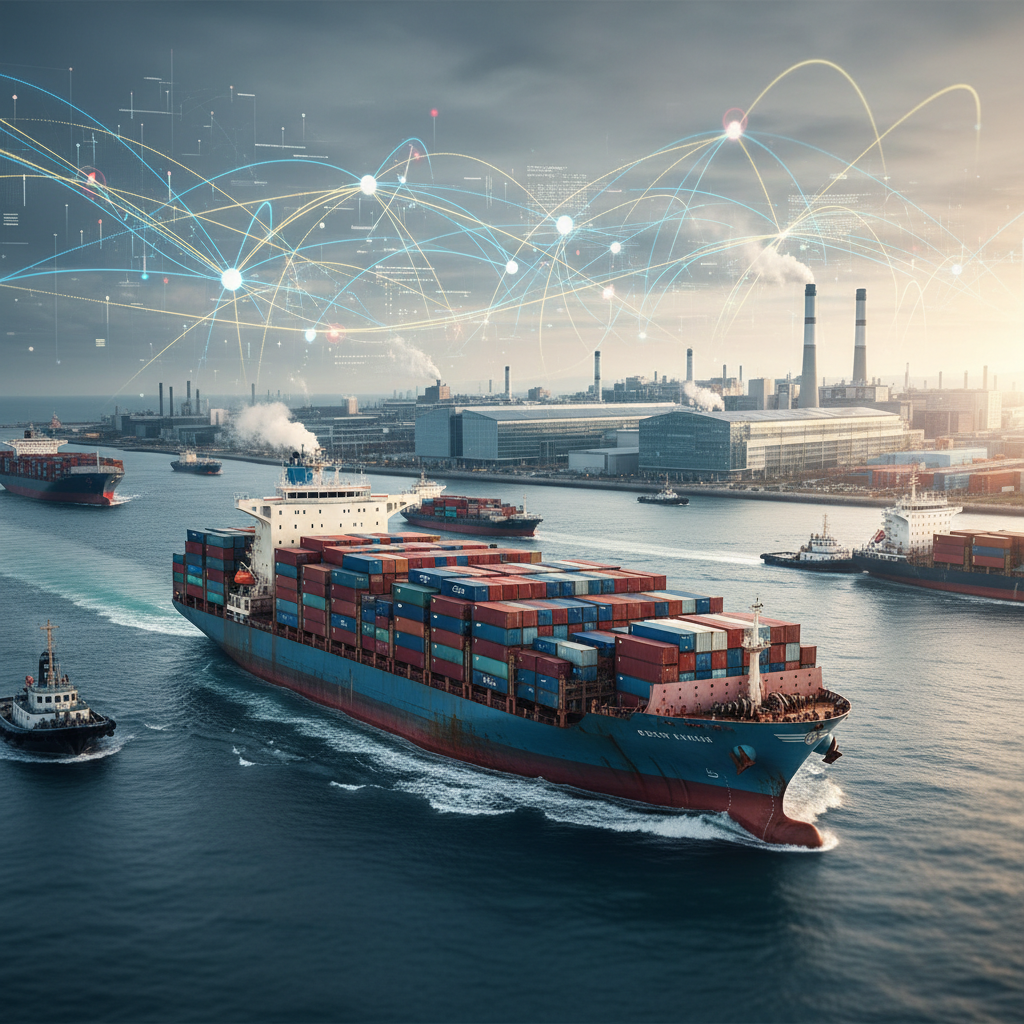
Rare Earths: A Bottleneck for Advanced Manufacturing
Geopolitical friction, particularly between major economic powers, continues to reshape the global trade landscape. A key flashpoint centers on rare earth elements, essential for a vast array of modern technologies. These 17 elements are not inherently rare in the Earth's crust, but their economically viable extraction and processing are concentrated in a few regions, with China holding a dominant position in both mining and refining. They are indispensable for manufacturing high-tech components found in consumer electronics, electric vehicles, renewable energy systems, and defense applications. Any disruption to their supply chain carries immediate and far-reaching consequences for global manufacturing.
The context of potential renewed trade tensions, as highlighted by discussions around technology disputes, brings the vulnerability of this supply chain into sharp focus. Washington's efforts to close loopholes in technology trade could provoke Beijing to impose new restrictions on rare earth exports. Such a move would not be unprecedented, as past trade disputes have seen similar actions. For shippers and forwarders, this translates directly into a heightened risk of sourcing challenges for manufacturers worldwide. Companies reliant on these materials would face immediate pressure to secure alternative supplies, often at higher costs and with longer lead times, impacting production schedules and delivery commitments across multiple industries.
Trade Friction Reroutes Global Cargo Flows
Direct restrictions on rare earth exports would immediately impact cargo movement across all modes. For high-value, time-sensitive components containing rare earths, air freight would experience significant disruption. Manufacturers might face delays in obtaining critical inputs, leading to production bottlenecks. If specific trade lanes or carriers become subject to restrictions, demand for alternative air routes would surge, driving up air cargo rates and potentially causing congestion at unaffected hubs. The need for expedited shipments to mitigate production delays would further strain air freight capacity.
Ocean freight, which handles the bulk of raw materials and finished goods, would also see substantial shifts. Shipments of rare earth ores or processed materials could be subject to increased scrutiny, customs delays, or outright bans at origin or destination ports. This forces shippers to seek new maritime routes, potentially involving transshipment through third countries, adding significant transit time and complexity. Longer voyages mean higher fuel consumption, increased operational costs for carriers, and elevated insurance premiums for cargo traversing uncertain geopolitical zones. The ripple effect would extend to finished goods, as delays in component supply would push back manufacturing completion, affecting export schedules and global inventory levels. This scenario would directly impact major trade lanes connecting Asia with North America and Europe, where much of the high-tech manufacturing and consumption occurs.
Tariffs and Sanctions: Expanding the Cost of Movement
Beyond specific commodity restrictions, the broader application of tariffs and sanctions in geopolitical disputes creates a complex web of challenges for cargo movement. Tariffs directly increase the landed cost of goods, making certain trade routes economically unviable for specific products. This forces companies to re-evaluate their sourcing strategies, potentially shifting production or procurement to countries not subject to the tariffs. Such shifts lead to new trade lanes emerging, while established routes may see reduced volumes, impacting carrier profitability and port activity. The administrative burden of tariff compliance, including detailed documentation and customs declarations, also adds to operational costs and can cause delays at borders.
Sanctions, whether targeting specific entities, goods, or entire nations, introduce even greater complexity. They can prohibit financial transactions, restrict access to ports or airspace, and complicate insurance coverage. Forwarders must navigate a labyrinth of regulations to ensure compliance, often requiring new logistics partners or complete rerouting of cargo. This can lead to longer transit times, higher freight rates due to increased risk and reduced competition, and the potential for cargo to be seized or delayed if compliance is not met. For example, restrictions on overflight rights or port calls for certain flagged vessels necessitate longer, less efficient routes, increasing fuel costs and environmental impact. The cumulative effect is a less efficient, more expensive global transport network, directly impacting the profitability of shippers and the reliability of supply chains.
Supply Chain Vulnerability: A Persistent Challenge
The recurring nature of these geopolitical disruptions highlights a persistent vulnerability within global supply chains that previous trade truces or agreements have not fully resolved. The reliance on single-source suppliers for critical materials like rare earths, or on specific manufacturing hubs, exposes companies to significant risk when political tensions escalate. This situation compels businesses to re-evaluate their entire supply chain architecture, moving beyond efficiency-driven models to prioritize resilience.
Companies are increasingly investing in diversification strategies, including regionalization, near-shoring, and dual-sourcing. While these efforts aim to reduce dependence on potentially volatile regions, they also entail substantial upfront investment in new production facilities, logistics infrastructure, and supplier relationships. Such shifts fundamentally alter established trade patterns, leading to new demands on transport networks and potentially higher unit costs for goods. Furthermore, the need to hold increased safety stock to buffer against potential disruptions adds to warehousing costs and inventory carrying expenses. The ongoing geopolitical friction thus acts as a constant pressure point, driving a fundamental re-evaluation of how goods are sourced, produced, and moved globally, with direct implications for transport capacity, pricing, and operational planning.
Geopolitical Friction Elevates Supply Chain Risk
The potential for renewed Chinese restrictions on rare earth exports, driven by technology disputes, underscores the fragility of global supply chains. Shippers and forwarders face immediate challenges in maintaining cargo flow, managing costs, and navigating complex regulatory environments. The broader trend of geopolitical tensions translates directly into higher operational expenses and longer transit times across all transport modes, demanding greater adaptability from logistics professionals.
This outlook could be mitigated if diplomatic efforts lead to a de-escalation of trade tensions, or if accelerated investment in rare earth alternatives and diversified sourcing strategies yield results faster than anticipated. A rapid shift towards domestic or allied-nation production could reduce reliance on single-source suppliers, lessening the impact of future restrictions and stabilizing cargo movement patterns.
Source: Atlantic Council — https://www.atlanticcouncil.org/blogs/econographics/as-the-nvidia-scandal-threatens-to-reignite-trade-tensions-at-trump-xi-talks-beijing-still-holds-the-rare-earths/