
Sustained Strait of Hormuz Threats Drive Up Global Shipping Costs
Ongoing security concerns in the Strait of Hormuz are significantly impacting global cargo movement, leading to higher insurance premiums, increased freight rates, and broader supply chain vulnerabilities for shippers and carriers.
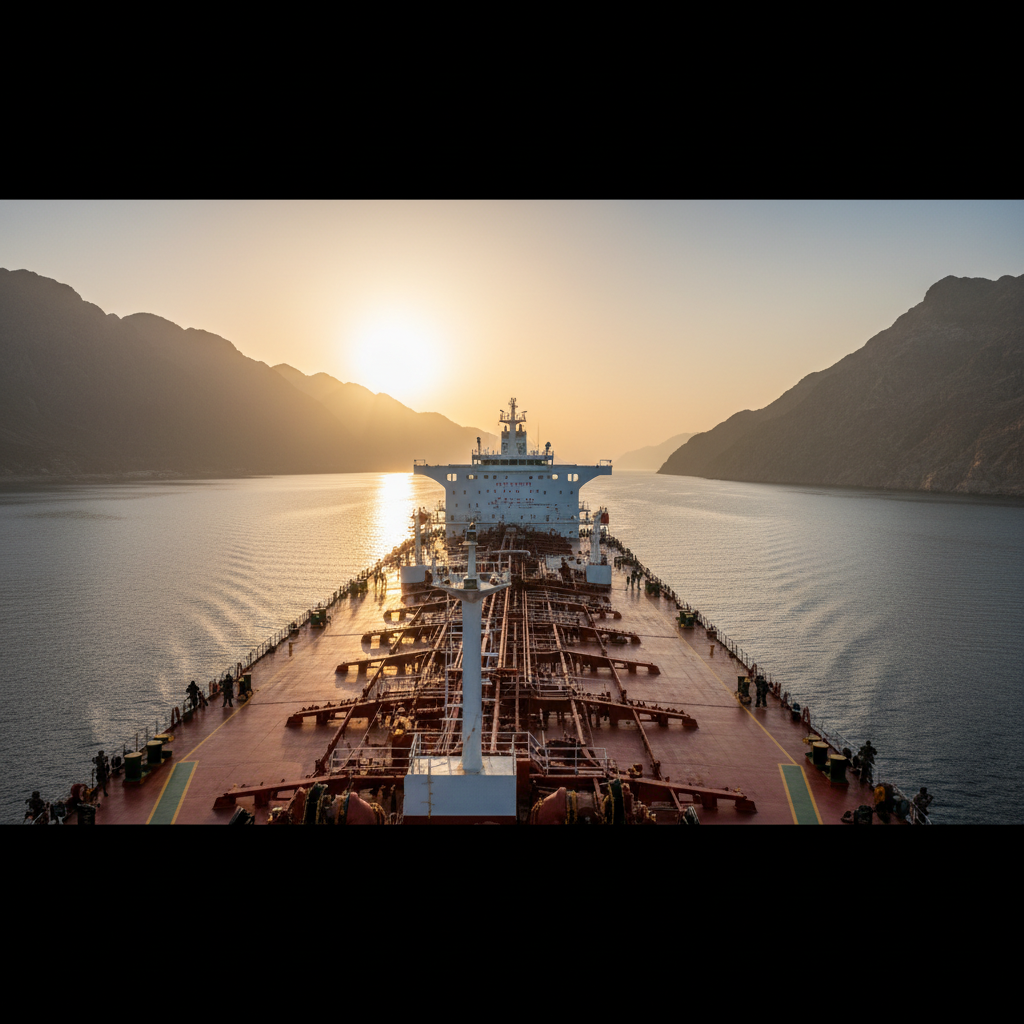
Strait of Hormuz's Unmatched Role in Energy Transit
The Strait of Hormuz, a narrow maritime chokepoint connecting the Persian Gulf to the open ocean, remains a critical artery for global energy and trade. Its strategic importance stems from the sheer volume of oil and liquefied natural gas (LNG) that transits its waters daily, originating from major producers in the region. Any disruption here sends immediate ripples through international markets, impacting energy prices and, consequently, the cost of goods worldwide. The intelligence update from early November 2026 highlights sustained threats to security within the Strait of Hormuz and the broader Persian Gulf and Gulf of Oman. This persistent state of elevated risk directly translates into heightened operational complexities and financial burdens for commercial shipping. Vessels, particularly tankers, navigating this waterway face an environment where the probability of incident, whether from direct attack, seizure, or collateral damage, is perceived as significantly higher. This perception alone is enough to trigger a cascade of commercial consequences, irrespective of actual events. Shippers and carriers must now factor in this enduring instability as a constant variable in their logistical planning and cost calculations. The global reliance on this single waterway for a substantial portion of its energy needs means that security concerns here are not isolated but have far-reaching implications for supply chain resilience and economic stability across continents. The sustained nature of these threats suggests a long-term adjustment in how trade through this region is conducted and priced.
Escalating Insurance Premiums and Operational Adjustments
One of the most immediate and tangible consequences of sustained security threats in the Strait of Hormuz is the sharp increase in marine insurance premiums. War risk insurance, specifically, becomes a critical component of operating costs for any vessel transiting the designated high-risk areas. As the perceived threat level remains elevated, insurers respond by raising rates, sometimes dramatically, to cover the increased exposure. These additional costs are inevitably passed down the supply chain. Shipping lines implement surcharges, often termed "war risk surcharges" or "additional premium surcharges," on freight rates for cargo moving through the Persian Gulf. This directly impacts shippers, who see their landed costs rise for goods originating from or destined for the region, or for products whose manufacturing relies on energy transiting the Strait. Beyond financial costs, carriers are forced to make operational adjustments. This can include increasing vessel speeds through the Strait to minimize exposure time, which consumes more fuel and adds to emissions. Some operators might consider rerouting vessels around the Arabian Peninsula, a significantly longer and more expensive journey that adds weeks to transit times and thousands of nautical miles. While not always feasible for all cargo types or schedules, the mere consideration of such alternatives underscores the severity of the perceived risk. The cumulative effect is a less efficient, more expensive, and less predictable maritime transport network for a crucial global trade lane.
Broader Trade Disruptions and Supply Chain Vulnerabilities
The sustained security concerns in the Strait of Hormuz extend their impact beyond direct shipping costs, creating broader trade disruptions and exposing supply chain vulnerabilities. A significant portion of the world's crude oil and refined petroleum products, along with a substantial volume of LNG, passes through this chokepoint. Any perceived or actual threat to this flow can trigger volatility in global energy markets, leading to higher oil and gas prices. These elevated energy costs then feed into the production and transportation expenses of nearly every industry, contributing to inflationary pressures on consumer goods globally. For manufacturers, particularly those in Asia and Europe heavily reliant on Middle Eastern energy or petrochemical feedstocks, the increased uncertainty and cost of supply can disrupt production schedules and profitability. Furthermore, the potential for delays or diversions means that just-in-time inventory strategies become riskier, prompting businesses to consider holding larger buffer stocks, which ties up capital and increases warehousing costs. The cumulative effect is a reduction in the efficiency and reliability of global supply chains that have become accustomed to relatively unimpeded passage through this vital waterway. This forces supply chain managers to re-evaluate their sourcing strategies, potentially seeking alternative, albeit often more expensive or less efficient, suppliers or routes to mitigate the risks associated with the Strait of Hormuz. The sustained nature of these threats suggests that these adjustments may become permanent features of global trade planning.
Sustained Hormuz Threats Drive Up Global Shipping Costs
The persistent security challenges in the Strait of Hormuz are fundamentally altering the economics and operational dynamics of global maritime trade. Shippers and carriers must now contend with a baseline of elevated risk, translating directly into higher insurance premiums, increased freight surcharges, and the constant evaluation of costly alternative routes. This situation contributes to inflationary pressures on energy and goods, making supply chains less predictable and more expensive for all participants.
This assessment could prove inaccurate if a significant de-escalation of regional tensions occurs, leading to a sustained period of stability and a reduction in perceived threats. Such a development would likely see insurance premiums fall and surcharges diminish, restoring a degree of normalcy and cost efficiency to trade flows through this critical waterway.
Source: Dryad Global — https://channel16.dryadglobal.com/strait-of-hormuz-security-sustained-threats-raise-the-stakes-for-commercial-shipping