
ADNOC Tanker Struck in UAE Waters, Escalating Hormuz Route Risk
An ADNOC tanker strike in UAE waters highlights persistent risks on the critical Hormuz shuttle route. Shippers face increased costs and potential delays.
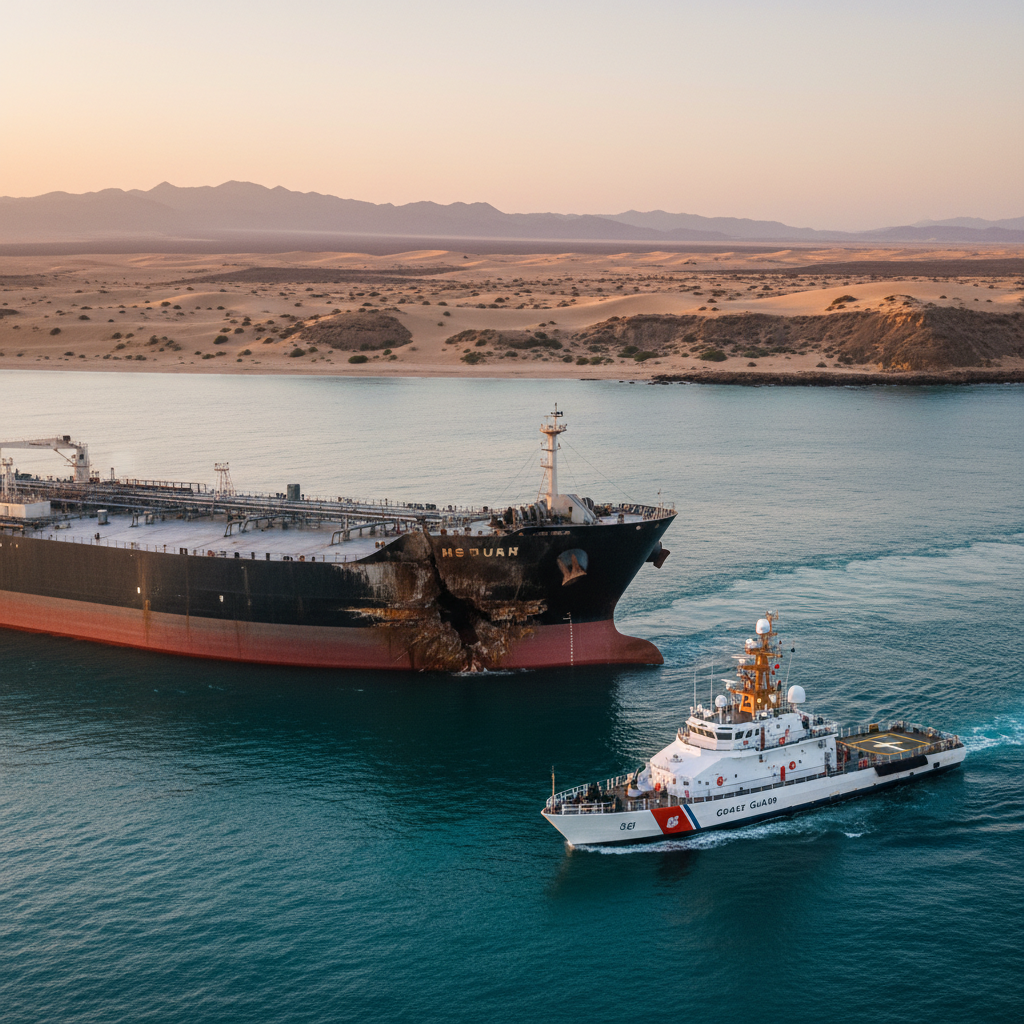
The "Hormuz Shuttle" Route Under Renewed Pressure
The confirmation by the UAE's state oil company, ADNOC, of a strike on one of its tankers in UAE territorial waters on November 10, 2026, marks a significant escalation in maritime security concerns for the Middle East Gulf. This incident is described as the latest in a series targeting the "Hormuz shuttle" route, a term referring to the frequent movements of vessels, primarily oil tankers, in and out of the Strait of Hormuz. This narrow waterway is a choke point for a substantial portion of the world's seaborne oil and liquefied natural gas (LNG) exports, making any disruption here resonate globally.
The "Hormuz shuttle" represents the lifeline for energy exports from major producers in the region, including the UAE, Saudi Arabia, Qatar, Kuwait, and Iraq. Tankers on this route carry crude oil, refined petroleum products, and LNG to markets across Asia, Europe, and the Americas. An attack within UAE's territorial waters suggests a broadening of the risk zone beyond the immediate confines of the Strait, pushing the boundaries of what was previously considered a safer operating environment closer to port. This expansion of risk means vessels are vulnerable for longer durations and closer to their loading points.
For shippers, the immediate consequence is an increase in perceived risk for all maritime traffic. Even non-oil vessels may face heightened scrutiny, longer transit times due to increased security protocols, or re-routing decisions by carriers. The direct impact on ADNOC's operations, a major global energy supplier, could lead to delays in crude oil and product shipments, affecting refinery schedules and downstream supply chains. The psychological effect on crews and operators can be substantial, potentially leading to crew retention issues or demands for higher hazard pay, adding operational cost. The repeated nature of these strikes indicates a persistent threat, necessitating a re-evaluation of standard operating procedures and risk assessments for any vessel operating in the broader Middle East Gulf.
Direct Impact on UAE Energy Exports and Regional Shipping Operations
The confirmed strike on an ADNOC tanker directly impacts the United Arab Emirates' energy export capabilities and the broader operational environment for shipping in the region. ADNOC is central to the UAE's economy and its role as a reliable global energy supplier. An attack on its assets within its own territorial waters raises questions about the security of its export infrastructure and maritime operations. This incident could lead to immediate operational adjustments at UAE oil terminals, including increased security patrols, enhanced surveillance, and potentially slower loading processes. Such delays can accumulate across a fleet of tankers, leading to schedule disruptions and demurrage charges for shippers.
Beyond ADNOC's specific operations, the incident casts a shadow over all commercial shipping activities originating from or destined for UAE ports. The UAE hosts several major ports, including Jebel Ali, handling diverse cargo. While the immediate target was an oil tanker, the general increase in maritime insecurity can affect container ships, bulk carriers, and general cargo vessels. Forwarders and carriers might face challenges in securing berths, obtaining port clearances, or maintaining vessel schedules if ports implement more stringent security checks or experience congestion.
The ripple effect extends to regional shipping networks. Neighboring countries relying on the same maritime lanes will likely observe the situation closely. This could prompt a collective increase in security measures across the Middle East Gulf, impacting the efficiency and cost-effectiveness of intra-regional trade. Shippers moving goods through this area must now factor in a higher probability of delays, increased security costs, and potential for rerouting, adding time and expense. The incident shows the vulnerability of even well-protected maritime zones to targeted attacks, demanding a more robust approach to risk management.
Rising Insurance Premiums and Operational Costs for Middle East Gulf Transits
One immediate consequence of a confirmed tanker strike in the Middle East Gulf is the direct impact on marine insurance markets. Underwriters reassess the risk profile of the affected area. For vessels transiting the Strait of Hormuz and operating in UAE territorial waters, this translates into an increase in war risk premiums. These are additional charges on top of standard hull and machinery insurance, covering losses due to acts of war, terrorism, and piracy. The "string of strikes" indicates a sustained threat, likely solidifying higher premium rates.
For shippers, these rising insurance costs are often passed down through freight rates. Carriers, facing higher operational expenses, adjust pricing to cover the increased cost of insuring vessels and cargo. This makes transporting goods, particularly energy products, through the Middle East Gulf more expensive. Beyond insurance, carriers may incur other operational costs, including deploying armed guards, investing in vessel hardening, or opting for slower transit speeds to reduce exposure. Each measure adds to maritime transport costs.
These financial pressures can influence carrier decisions on route selection. While the Strait of Hormuz is unavoidable for many Middle East Gulf exports, some carriers might consider alternative, longer, and more expensive routes for non-essential cargo to bypass perceived risk zones. This could involve land bridges or alternative shipping lanes, adding to transit times and costs. Shippers must understand freight costs and war risk surcharges for accurate budgeting and supply chain planning. The incident reinforces the need for transparent communication between carriers and shippers regarding evolving cost structures.
Shippers' Strategies for Mitigating Middle East Gulf Supply Chain Disruptions
Given the persistent threat highlighted by the ADNOC tanker strike, shippers must adopt proactive strategies to mitigate potential disruptions to their supply chains reliant on the Middle East Gulf. The first step involves a thorough re-evaluation of supply chain mapping to identify all touchpoints within the affected region. Understanding the specific vessels, carriers, and ports involved in cargo movements through the Strait of Hormuz and UAE waters is fundamental.
One key strategy is diversification. Where feasible, shippers should explore alternative sourcing locations or diversify their carrier base to avoid over-reliance on a single route or provider. While direct alternatives to the Strait of Hormuz are limited for energy exports, for other cargo types, exploring multimodal options or different port gateways could offer flexibility. Building inventory buffers is another practical measure. Holding slightly higher safety stock at destination or origin points can absorb short-term delays from security incidents, port congestion, or rerouting, preventing stockouts. This strategy, however, comes with increased carrying costs.
Enhanced communication and visibility with logistics partners are also crucial. Shippers need real-time updates from freight forwarders and carriers regarding vessel positions, estimated times of arrival, and operational changes. Clear communication channels and incident response protocols allow for quicker decision-making. Furthermore, a detailed review of insurance policies and contractual terms is essential. Shippers should understand the scope of their cargo insurance, specifically war risk coverage, and clarify financial responsibility for increased premiums or losses due to geopolitical events. Examining force majeure clauses in contracts provides clarity on liabilities during disruptions.
Finally, for shippers dealing with energy-intensive supply chains, exploring alternative energy sources or supply chain configurations that reduce reliance on Middle East Gulf oil and gas could be a long-term strategic consideration. While not an immediate solution, the repeated nature of these incidents suggests a need for fundamental shifts in energy procurement strategies for some industries. These proactive measures, though requiring investment and planning, can build resilience against ongoing geopolitical risks in this vital maritime corridor.
Hormuz Risk Now a Permanent Supply Chain Factor
The repeated targeting of tankers in UAE waters solidifies geopolitical risk as a constant variable in Middle East Gulf shipping, demanding proactive supply chain adjustments.
- Any official statements from UAE authorities regarding the incident's investigation.
- Changes in war risk insurance premiums for vessels transiting the Strait of Hormuz.
- Announcements from major shipping lines regarding route adjustments or surcharges for Middle East Gulf services.
- Reports on the operational status of ADNOC's tanker fleet and export terminals.
Source: The Maritime Executive — https://maritime-executive.com/article/adnoc-confirms-strike-on-tanker-in-uae-s-territorial-waters