
Ukraine Drone Attacks Cut Russian Oil Refining Capacity by 30 Percent
Recent drone attacks have reportedly reduced Russia's oil refining capacity by around 30 percent, triggering domestic fuel shortages and sending ripples through global energy and logistics markets. This development forces a re-evaluation of supply chain resilience, particularly concerning fuel costs, shipping routes, and sanctions compliance.
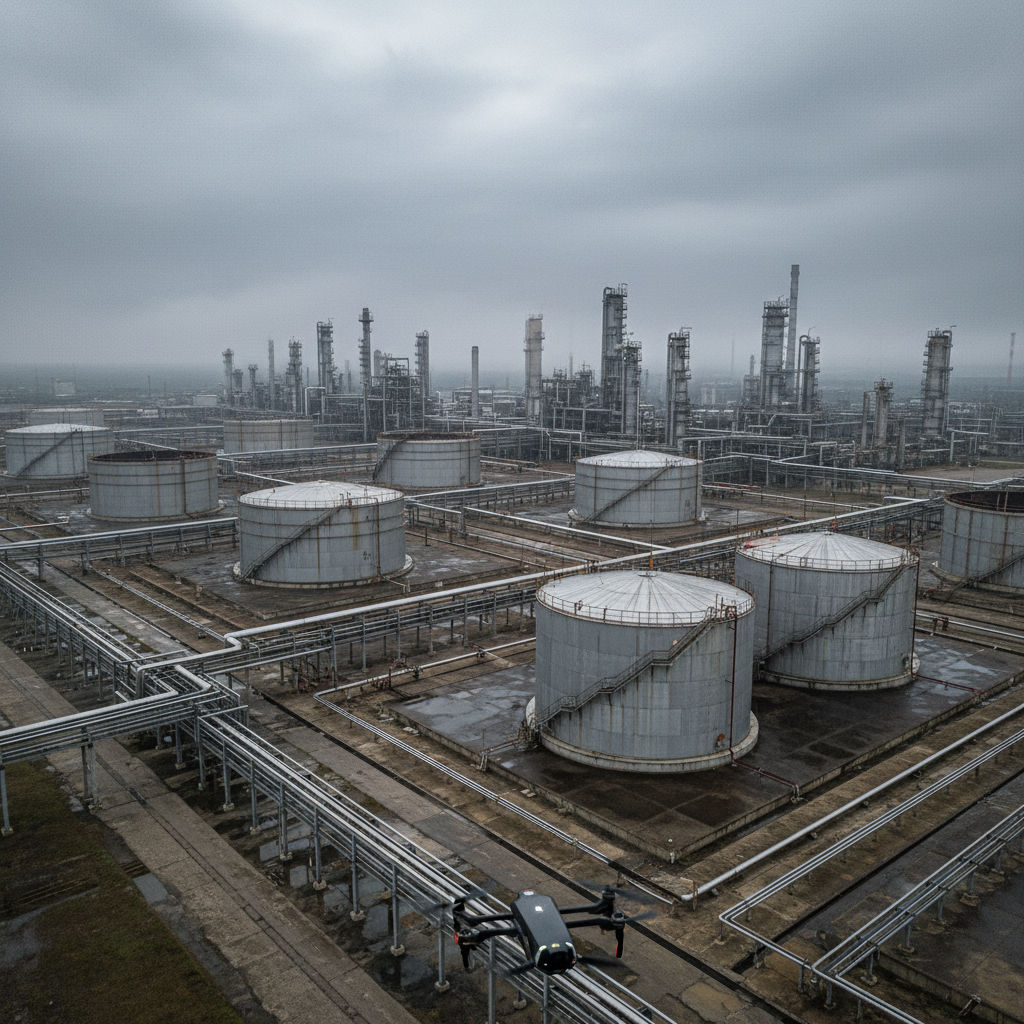
Recent geopolitical events have introduced a new layer of complexity and volatility into global supply chains, with direct consequences for cargo movement across various modes. The reported reduction of Russia's oil refining capacity by approximately 30 percent, following a series of drone attacks, exemplifies how localized conflicts can rapidly translate into widespread trade and transport disruptions.
Russian Domestic Fuel Shortages Strain Inland Logistics
The immediate and most direct consequence of the reported 30 percent reduction in Russia's oil refining capacity is the emergence of fuel shortages across the country. This internal scarcity directly impacts Russia's domestic logistics network. Road freight, which relies heavily on diesel and gasoline, will face increased operational costs due to higher fuel prices and potential rationing. This can lead to delays in goods delivery, reduced transport capacity, and disruptions to internal supply chains for essential commodities and industrial components. Similarly, rail freight operations, particularly those using diesel locomotives, will experience similar cost pressures and potential service interruptions. Even domestic air cargo, dependent on jet fuel, could see adjustments in flight schedules or increased surcharges as airlines grapple with fuel availability and expense. Beyond transport, industries within Russia that depend on refined fuels for their operations, such as agriculture, manufacturing, and mining, will likely experience production slowdowns and increased input costs, further stressing the internal movement of goods.
Global Energy Market Rebalancing Shifts Tanker Demand
The reduction in Russia's refining output has broader implications for international energy markets and, consequently, maritime cargo movement. With less capacity to process crude oil into refined products like gasoline, diesel, and jet fuel, Russia may alter its export profile. It is plausible that Russia will seek to export more crude oil, which it can no longer refine domestically, while simultaneously reducing its exports of refined products. This shift would rebalance global demand for different types of tankers. There could be an increased demand for crude oil tankers to transport Russian crude to alternative refining hubs, potentially leading to longer voyages and higher charter rates for these vessels. Conversely, the global market for refined products would tighten, as a significant supplier reduces its output. This scarcity would likely drive up prices for refined fuels worldwide, affecting all shipping lines, airlines, and road transport operators who purchase bunker fuel, jet fuel, or diesel. Shippers and forwarders would need to adapt to these altered trade flows, potentially sourcing refined products from new regions, which could involve different shipping routes and longer transit times.
Sanctions Compliance Becomes More Complex for Russian Energy Trade
The existing framework of international sanctions targeting Russian energy exports is already intricate. A change in Russia's export mix – from refined products to potentially more crude oil – introduces new complexities for sanctions compliance. Companies involved in the transportation, insurance, or financing of Russian energy products must exercise heightened due diligence. The specific types of refined products, their origin, and the entities involved in their trade are all subject to varying levels of scrutiny and restriction. If Russia increases crude oil exports while reducing refined product exports, the focus of sanctions enforcement and compliance efforts might shift. Forwarders and shippers must ensure their operations do not inadvertently facilitate transactions that violate evolving sanctions, which could carry severe penalties. This environment necessitates robust internal compliance programs and continuous monitoring of regulatory updates to mitigate legal and reputational risks associated with handling Russian energy cargo.
Air and Sea Freight Operations Face Higher Fuel Costs
For the broader air and sea freight sectors, the primary consequence of reduced Russian refining capacity and the subsequent tightening of global refined fuel markets is an increase in operational costs. Jet fuel and marine bunker fuel prices are directly influenced by global supply and demand dynamics. A reduction in supply from a major producer like Russia, even if partially offset by other sources, will exert upward pressure on these prices. Airlines will face higher expenses for jet fuel, potentially leading to increased air freight surcharges, adjustments to flight routes to optimize fuel consumption, or even reduced frequencies on less profitable routes. Similarly, container ships, bulk carriers, and tankers will incur higher costs for bunker fuel, which represents a substantial portion of their operating expenses. These increased costs will inevitably be passed on to shippers through higher freight rates, impacting the overall cost of goods moved globally. This persistent upward pressure on fuel expenses makes long-term planning more challenging for logistics providers and necessitates flexible pricing strategies to absorb or pass on these fluctuating costs.
Persistent Volatility Demands Supply Chain Agility
The reported 30 percent cut in Russian oil refining capacity underscores a continuing trend where geopolitical events directly translate into tangible disruptions for global trade and transport. The immediate consequences—domestic fuel shortages in Russia, shifts in global energy trade patterns, increased compliance burdens, and higher operational costs for carriers—highlight the interconnectedness of energy markets and logistics. Supply chain managers must now factor in a heightened degree of energy market volatility as a constant, rather than an intermittent, challenge. Adapting to these rapid changes requires agile strategies, diversified sourcing options, and a continuous assessment of geopolitical risks to maintain operational continuity and manage costs effectively.
Source: Atlantic Council — https://www.atlanticcouncil.org/blogs/ukrainealert/ukraines-new-drone-blitz-cuts-russian-oil-refining-capacity-by-30-percent/