
Suez Canal Bypass Becomes Standard Route Three Years After Galaxy Leader Seizure
Three years after the Galaxy Leader seizure in November 2023, the Suez Canal is no longer the default Asia-Europe artery. This brief analyzes the enduring consequences for cargo movement, trade routes, and supply chain costs, highlighting the permanent shift in global maritime operations.
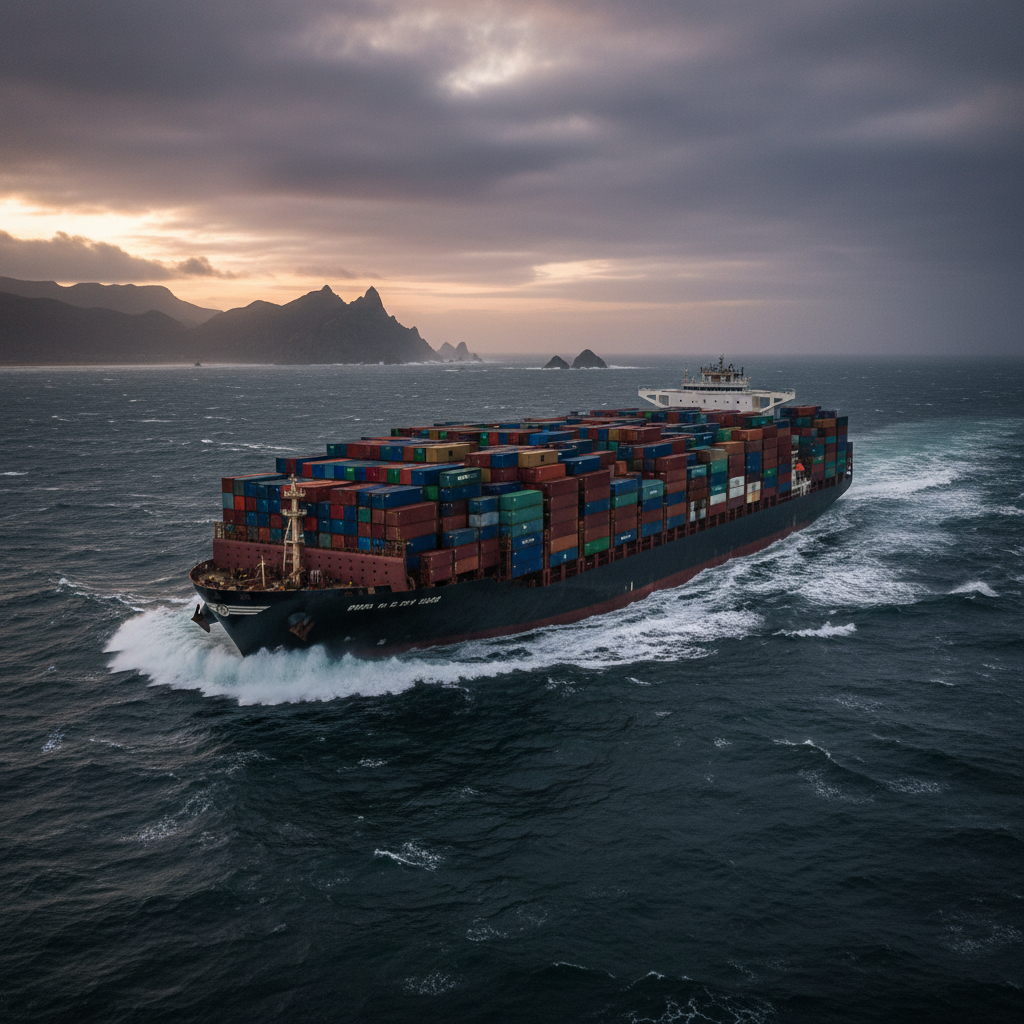
The Suez Canal's Diminished Role in East-West Trade
The Suez Canal, for decades a cornerstone of global maritime commerce connecting Asia and Europe, has fundamentally altered its function. Three years following the November 2023 seizure of the Galaxy Leader, the waterway is no longer perceived as the default, reliable artery for cargo movement between these two vital economic blocs. This shift is not a temporary deviation but represents a structural re-evaluation by shippers and carriers of the canal's viability. The persistent geopolitical instability in the region, characterized by ongoing threats to shipping, has compelled a significant portion of the global fleet to abandon the shorter, direct transit in favor of the longer, more secure route around the Cape of Good Hope. This strategic rerouting, while mitigating immediate risks, introduces a cascade of operational and financial implications across the entire supply chain ecosystem.
The primary consequence of this rerouting is a substantial increase in transit times. Vessels now undertaking the journey around Africa add thousands of nautical miles to their voyages, directly translating into extended delivery schedules. For a typical container vessel, this can mean an additional one to two weeks at sea, depending on origin and destination. This extended duration necessitates significantly higher fuel consumption, driving up operational costs for shipping lines. Furthermore, the increased time at sea impacts vessel utilization, effectively reducing the available capacity within the global fleet as ships spend more time in transit rather than actively moving cargo between ports. This reduction in effective capacity can put upward pressure on freight rates, even in periods of otherwise stable demand, as carriers seek to offset their increased expenses and maintain profitability.
Cascading Effects on Global Supply Chains
The pivot away from the Suez Canal has profound and far-reaching consequences for global supply chains, extending beyond just the shipping lines. Shippers, forwarders, and supply-chain managers are grappling with a new reality defined by unpredictability and elevated costs. The extended transit times directly impact inventory management strategies. Companies that previously relied on just-in-time (JIT) or lean inventory models, optimized for the predictable transit through the Suez Canal, are now forced to hold larger buffer stocks. This increase in inventory ties up capital, incurs higher warehousing costs, and elevates the risk of obsolescence, particularly for time-sensitive goods. The need for greater inventory resilience fundamentally alters the cost structure of goods moving between Asia and Europe.
Moreover, schedule reliability, a critical metric for supply chain efficiency, has deteriorated significantly. The longer routes are more susceptible to weather disruptions around the Cape of Good Hope, and the sheer extension of the journey introduces more variables that can lead to delays. This unreliability creates a ripple effect, causing missed connections at transshipment hubs, disrupting manufacturing schedules, and creating bottlenecks at destination ports as arrival patterns become less predictable. Insurance premiums for vessels traversing the affected regions have also surged, reflecting the heightened risk environment. These additional costs are inevitably passed down the supply chain, ultimately impacting the final price of goods for consumers and eroding the competitive advantage of globalized production.
Redrawing Maritime Trade Patterns and Infrastructure Demands
The sustained disruption to the Suez Canal's role is not merely an operational challenge; it is actively redrawing global maritime trade patterns and placing new demands on existing infrastructure. The shift to the Cape of Good Hope route has increased traffic along this alternative pathway, potentially straining port infrastructure in regions like Southern Africa, which may not have been designed for such a sustained volume of mega-vessels. This could lead to localized congestion and further delays, creating new chokepoints in the global network.
In response, carriers are re-evaluating their fleet strategies, potentially favoring larger vessels that can achieve greater economies of scale on the longer voyages, or investing in more fuel-efficient designs. Shippers, meanwhile, are increasingly exploring strategies to mitigate their exposure to such geopolitical risks. This includes a renewed focus on regionalization or near-shoring of production, where goods are manufactured closer to their end markets to reduce reliance on long-distance maritime routes. While such shifts are complex and capital-intensive, the persistent instability in key maritime arteries provides a compelling economic rationale for diversifying sourcing and manufacturing footprints, fundamentally altering the geography of global production and consumption.
Permanent Redrawing of Global Maritime Trade Map
The ongoing disruption to the Suez Canal's utility, three years after the initial Houthi actions, signals a profound and likely permanent recalibration of global maritime trade routes between Asia and Europe.
- Route Permanence: The strategic bypass of the Suez Canal has transitioned from a temporary measure to a structural, long-term adjustment for a significant portion of East-West maritime traffic.
- Cost Escalation: The embedded costs of longer transit times, increased fuel consumption, higher insurance premiums, and greater inventory requirements will persist, impacting global trade economics.
- Resilience Imperative: Supply chain design must now fundamentally prioritize geopolitical resilience and route diversification over traditional cost-efficiency metrics, driving new investment and sourcing strategies.
Source: Container News — https://container-news.com/explainer-suez-canal-held-hostage-on-a-budget/