
Strait of Hormuz Slowdown: A Critical Test for Global Supply Chain Resilience
A dramatic reduction in commodity vessel transits through the Strait of Hormuz signals immediate and profound challenges for global trade. This Insight brief examines the operational and economic consequences, highlighting the critical role of real-time visibility in navigating such disruptions.
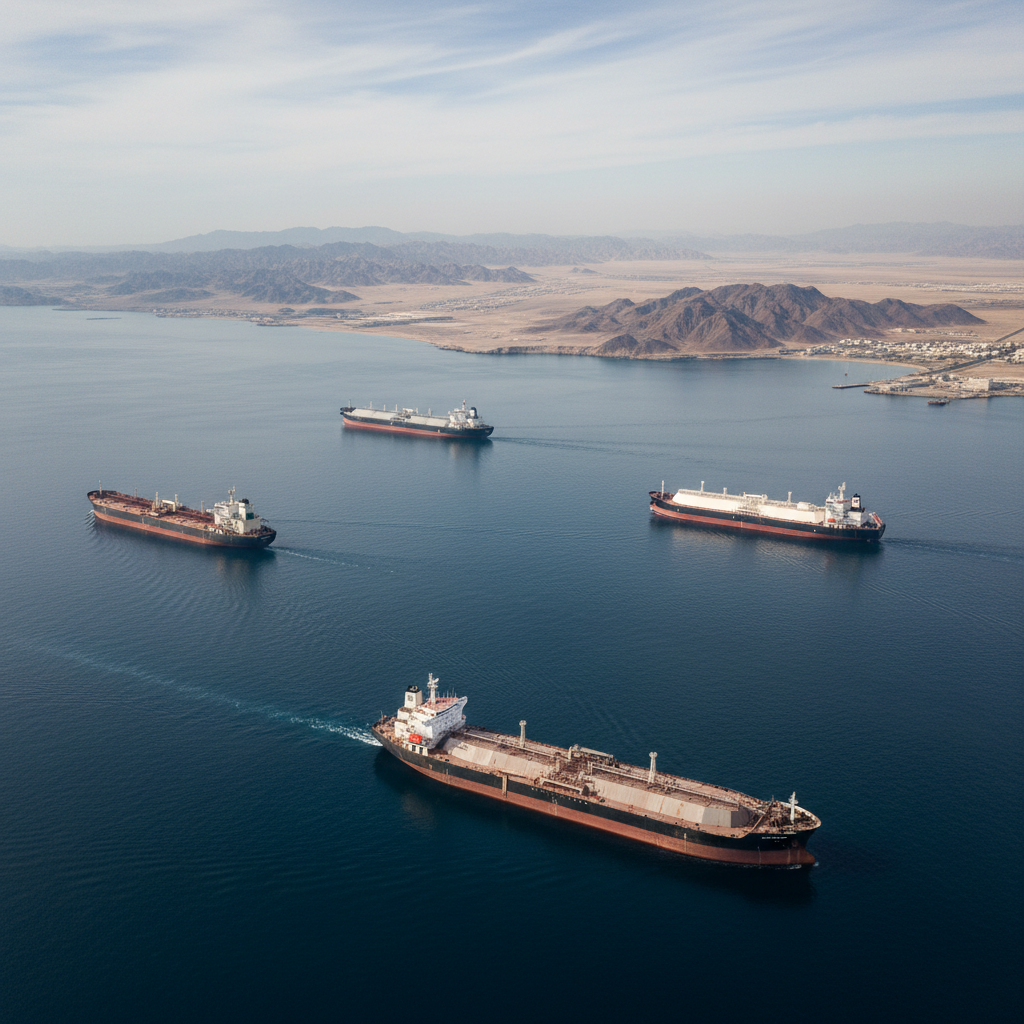
Geopolitical tensions continue to exert significant pressure on global trade arteries, and recent developments in the Strait of Hormuz underscore the fragility of established shipping routes. A sudden and steep decline in commodity vessel transits through this vital chokepoint presents immediate operational challenges and has far-reaching implications for supply chain stability and economic health worldwide.
Immediate Impact on Vessel Traffic
The Strait of Hormuz, a narrow passage connecting the Persian Gulf with the Arabian Sea and beyond, is one of the world's most critical maritime chokepoints, essential for the transit of a substantial portion of global energy supplies and other commodities. Recent data reveals a stark and concerning reduction in activity: commodity vessel transits dwindled to just three ships on a recent Wednesday. This represents a significant drop from the 12 vessels observed just a day prior and falls sharply below the 10-day average of approximately 17 transits. Such an abrupt contraction in traffic signals an immediate and severe disruption to scheduled shipping operations. For vessels already en route or awaiting passage, this translates into uncertainty, potential delays, and the urgent need for revised operational plans. Shipping lines face immediate decisions regarding rerouting, anchoring, or adjusting speeds, all of which incur additional costs and introduce variability into tightly managed schedules. The sheer magnitude of the slowdown, from an average of 17 ships to just three, creates an unprecedented bottleneck, impacting the timely delivery of crucial commodities and setting off a chain reaction across the maritime logistics network.
Disruption to Global Supply Chains
The dramatic reduction in vessel traffic through the Strait of Hormuz has immediate and profound implications for global supply chains. As a primary conduit for energy and other vital commodities, any impediment here creates a ripple effect across numerous industries. The most direct consequence is the extension of lead times for goods originating from or destined for the Persian Gulf region. Shippers must now contend with significant delays, as vessels are either held up or forced to undertake lengthy and costly diversions around the Arabian Peninsula. Such rerouting adds thousands of nautical miles to voyages, consuming more fuel, increasing transit times by weeks, and straining vessel capacity. This extended transit time impacts inventory management strategies globally, potentially leading to stockouts, production delays for manufacturers relying on just-in-time inventory, and increased warehousing costs for those attempting to build up buffer stocks. The disruption is not isolated; it affects the entire ecosystem of global trade, from raw material suppliers to manufacturers, distributors, and ultimately, consumers. The predictability that underpins modern supply chain planning is severely undermined, forcing businesses to adapt rapidly to an environment of heightened uncertainty and operational complexity.
Economic Consequences for Shippers and Consumers
The operational disruptions stemming from the Strait of Hormuz slowdown translate directly into significant economic consequences for both shippers and end consumers. For shippers, the primary impact is a sharp increase in operational costs. Longer routes necessitate greater fuel consumption, which, coupled with potentially higher bunker fuel prices due to increased demand or market speculation, significantly inflates shipping expenses. Furthermore, insurance premiums for vessels operating in or near perceived high-risk zones, such as the Strait of Hormuz, are likely to surge, adding another layer of cost. The scarcity of available vessel capacity, as ships are tied up on longer routes, can also lead to a spike in freight rates across various trade lanes. These increased costs are inevitably passed down the supply chain. Manufacturers face higher input costs for raw materials, which then translate into higher production costs. Retailers, in turn, will see increased wholesale prices, which they may pass on to consumers in the form of higher retail prices for a wide range of goods, from electronics and automotive parts to everyday household items. In some cases, if delays are severe enough or rerouting proves economically unfeasible, it could lead to product shortages, further exacerbating price pressures and potentially impacting consumer choice and availability. The economic fallout extends beyond direct costs, encompassing potential lost sales, damaged brand reputation due to delivery failures, and reduced economic activity as businesses grapple with supply chain instability.
Role of Visibility Platforms (MGS) in Mitigation
In an environment characterized by such rapid and severe disruptions, the role of advanced shipment visibility control tower platforms, like MGS, becomes absolutely critical. These platforms provide real-time, end-to-end tracking of cargo, offering unparalleled insight into the precise location and status of every commodity vessel. When an event like the Strait of Hormuz slowdown occurs, an MGS control tower immediately flags affected shipments, allowing supply chain analysts to identify which specific vessels are delayed, rerouted, or impacted by the reduced traffic. This granular visibility enables proactive decision-making. Shippers can quickly assess the extent of the disruption, communicate accurate delay estimates to their downstream partners, and explore alternative logistics strategies. For instance, if a critical commodity vessel is stalled, an MGS platform can help identify alternative sourcing options, assess the feasibility of expedited air freight for high-value components, or re-prioritize other incoming shipments to mitigate the impact of the delay. By consolidating data from various sources – carrier updates, port movements, weather patterns, and geopolitical alerts – an MGS control tower provides a comprehensive operational picture. This allows businesses to move beyond reactive crisis management to proactive risk mitigation, optimizing inventory levels, managing customer expectations, and maintaining operational agility in the face of unpredictable global events. The ability to visualize the entire supply chain, understand the implications of disruptions in real-time, and execute informed contingency plans is invaluable in safeguarding business continuity and minimizing financial exposure during periods of heightened geopolitical instability.
Source: Maritime Professional — https://www.maritimeprofessional.com/news/strait-hormuz-vessel-traffic-slows-422978