
Geopolitical Tensions Threaten Red Sea Crude Flows: A Supply Chain Insight
Escalating geopolitical tensions, marked by Houthi actions in the Red Sea, pose a significant threat to Saudi Arabia's crude oil exports. This disruption could lead to a 4% global supply risk, with potential stock depletion within days if a critical east-west pipeline remains compromised. Supply chain visibility is crucial for navigating these volatile conditions.
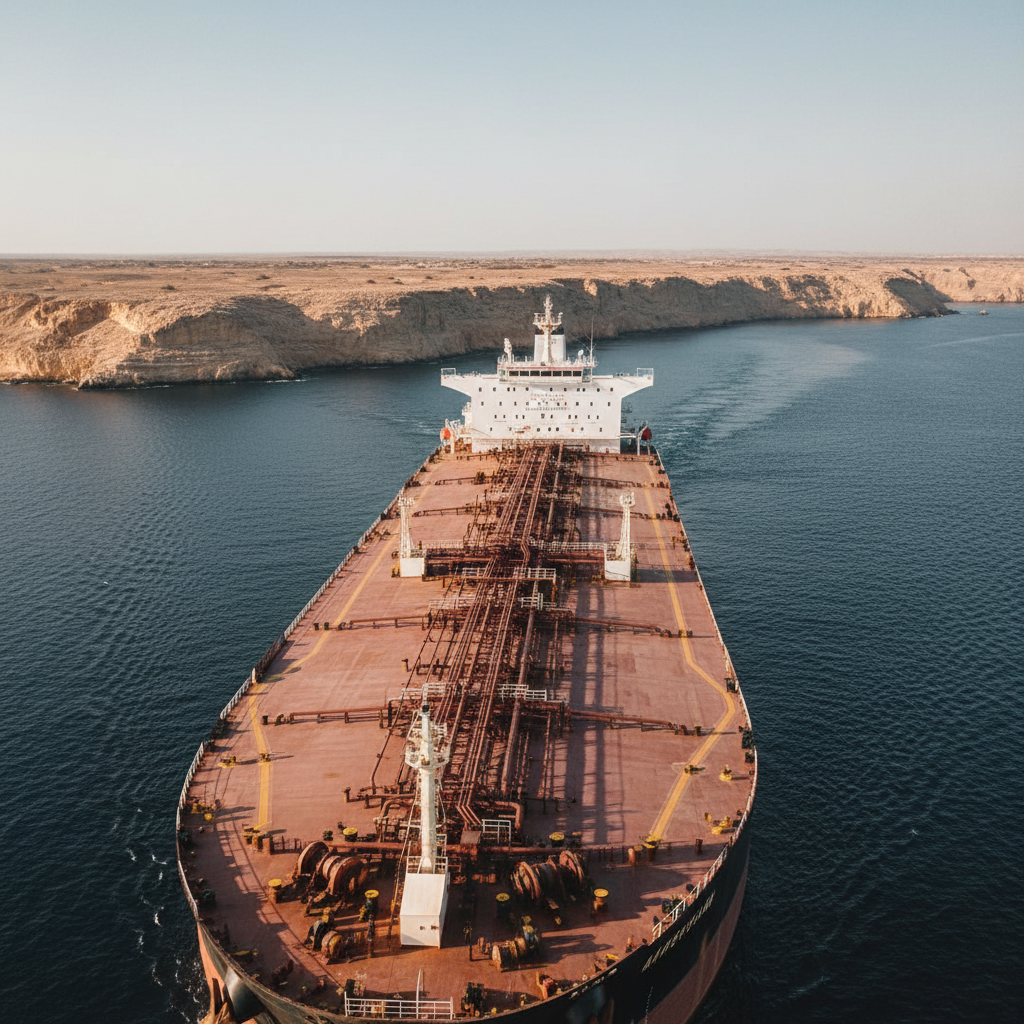
The Escalating Geopolitical Threat to Crude Exports
The global energy supply chain is facing a critical challenge stemming from heightened geopolitical instability in the Red Sea region. Recent actions by Houthi fighters, including the seizure of a strategic island at the mouth of the Red Sea, directly imperil Saudi Arabia's capacity to maintain its vital crude oil exports. This development introduces a fresh layer of risk to an already complex global energy landscape. The core of this threat lies in the potential incapacitation of a crucial east-west pipeline, which is instrumental in transporting crude across the Saudi kingdom to its Red Sea coastal export facilities. Should this pipeline not be swiftly restored to full operation, Saudi Arabia faces the prospect of exhausting its exportable crude stocks within a matter of days. Such an outcome carries profound implications, contributing to an estimated 4% global supply risk, underscoring the fragility of international energy flows when key infrastructure and maritime chokepoints are threatened by conflict.
Critical Trade Lanes Under Pressure
The Red Sea stands as one of the world's most critical maritime arteries, facilitating a substantial portion of global trade, particularly for energy commodities. The current geopolitical climate places this vital trade lane under immense pressure. For crude oil, the Red Sea serves as a gateway for exports from major producers, including Saudi Arabia, to markets in Europe, North America, and beyond. The specific threat highlighted involves the flow of crude from Saudi Arabia's interior, via the east-west pipeline, to its Red Sea coast for loading onto tankers. Any disruption to this pipeline directly impacts the volume of crude available for maritime export from these Red Sea terminals. Consequently, the entire shipping lane through the Red Sea and the Suez Canal becomes a high-risk zone, forcing shippers and carriers to reassess transit viability and potentially consider longer, more costly alternative routes around Africa, adding significant transit times and fuel expenses to global supply chains.
Infrastructure and Facility Vulnerabilities
At the heart of the current threat to Saudi crude exports is the vulnerability of critical energy infrastructure. The east-west pipeline, a backbone of Saudi Arabia's oil export network, is directly targeted by the ongoing geopolitical tensions. This pipeline is not merely a conduit; it is a strategic asset that enables the kingdom to bypass the Strait of Hormuz, offering an alternative export route to the Red Sea. Its operational status is therefore paramount to maintaining export volumes. Should this pipeline be rendered inoperable, the Red Sea coastal facilities, which are designed to receive and load crude transported through this very pipeline, would face severe supply constraints. These facilities, vital nodes in the global crude supply chain, would be unable to function at their intended capacity, leading to a significant bottleneck in the export process. The integrity and continuous operation of such infrastructure are non-negotiable for stable global energy markets.
Modes of Transport at High Risk
The geopolitical situation in the Red Sea directly impacts two primary modes of transport crucial for crude oil movement: maritime shipping and pipeline transport. Maritime shipping, specifically the movement of oil tankers through the Red Sea, is immediately exposed to the direct threat posed by Houthi actions. Tankers transiting this region face increased security risks, potentially leading to higher insurance premiums, rerouting decisions, or outright avoidance of the area by some carriers. This directly affects the global availability and cost of crude. Concurrently, the pipeline transport mode within Saudi Arabia is under direct threat. The east-west pipeline's operational continuity is essential for feeding the Red Sea export terminals. A disruption to this land-based pipeline immediately translates into a reduction of crude available for maritime export. Thus, the vulnerability of one mode (pipeline) creates a cascading effect on the other (maritime), highlighting the interconnectedness of these transport systems in the context of geopolitical instability.
Global Crude Supply: A Precarious Balance
The potential disruption to Saudi Arabia's crude exports carries significant implications for the global energy market, which operates on a delicate balance of supply and demand. The reported 4% global supply risk is a substantial figure, indicating that a prolonged or severe disruption could lead to a noticeable tightening of crude availability worldwide. The critical timeline, where Saudi Arabia could run out of export stocks within days if the pipeline remains offline, underscores the immediate and severe nature of this threat. Such a scenario would likely trigger a sharp increase in global oil prices, impacting everything from transportation costs to manufacturing expenses across various industries. Energy-dependent economies would face inflationary pressures and potential supply shortages, creating ripple effects throughout the global economy. This situation highlights the importance of diversified supply sources and resilient logistics networks to buffer against such shocks.
Proactive Strategies for Shippers
In an environment marked by such unpredictable geopolitical risks, shippers, particularly those involved in crude oil or industries heavily reliant on stable energy prices, must adopt proactive strategies to safeguard their supply chains. Firstly, continuous, real-time risk assessment is paramount. This involves monitoring geopolitical developments closely and understanding their potential impact on specific trade lanes and facilities. Secondly, while rerouting options for crude oil from the Red Sea are limited and costly, exploring alternative sourcing regions or diversifying supply contracts can help mitigate dependency on a single, vulnerable region. Thirdly, strategic inventory management becomes critical. Maintaining adequate safety stocks can provide a buffer against short-term disruptions, preventing immediate operational stoppages or the need for emergency, high-cost procurement. Lastly, fostering robust communication channels with carriers, freight forwarders, and logistics partners ensures that information on evolving risks and potential solutions is shared promptly, enabling agile decision-making.
Leveraging Visibility for Resilience with MGS
In the face of complex geopolitical disruptions like the Red Sea situation, a sophisticated shipment-visibility control tower platform like MGS becomes an indispensable tool for supply chain resilience. MGS provides real-time, granular tracking of vessels, including oil tankers, allowing shippers to monitor their assets as they navigate high-risk zones like the Red Sea. Beyond simple tracking, MGS's advanced analytics can offer predictive insights into potential delays, rerouting requirements, or even port congestion at alternative hubs, enabling proactive adjustments rather than reactive responses. For instance, if the east-west pipeline disruption leads to tanker diversions or delays at Saudi Red Sea ports, MGS can immediately flag these anomalies, allowing shippers to assess the impact on their inventory levels and planned deliveries. Furthermore, MGS can facilitate scenario planning, helping users model the financial and operational implications of various disruption scenarios, such as a prolonged Red Sea blockade or a pipeline shutdown. Its alerting capabilities can notify users instantly of geopolitical events impacting specific lanes or facilities, empowering them to explore alternative sourcing or transportation options with greater speed and accuracy, thereby directly addressing the 'within days' stock depletion risk. By providing a comprehensive, real-time overview of their global supply chain, MGS enables shippers to make informed decisions, mitigate risks, and maintain operational continuity even amidst severe geopolitical volatility.
Source: Hellenic Shipping News — https://www.hellenicshippingnews.com/saudi-arabia-crude-exports-face-4-global-supply-risk-as-houthis-tighten-red-sea-grip/