
Geopolitical Tensions Reroute Trade: An MGS Analyst's Brief on Supply Chain Disruptions
Geopolitical events are forcing significant changes in global shipping, exemplified by new surcharges and alternative routes around critical maritime chokepoints. This brief analyzes the cascading effects on costs, transit times, and supply chain reliability.
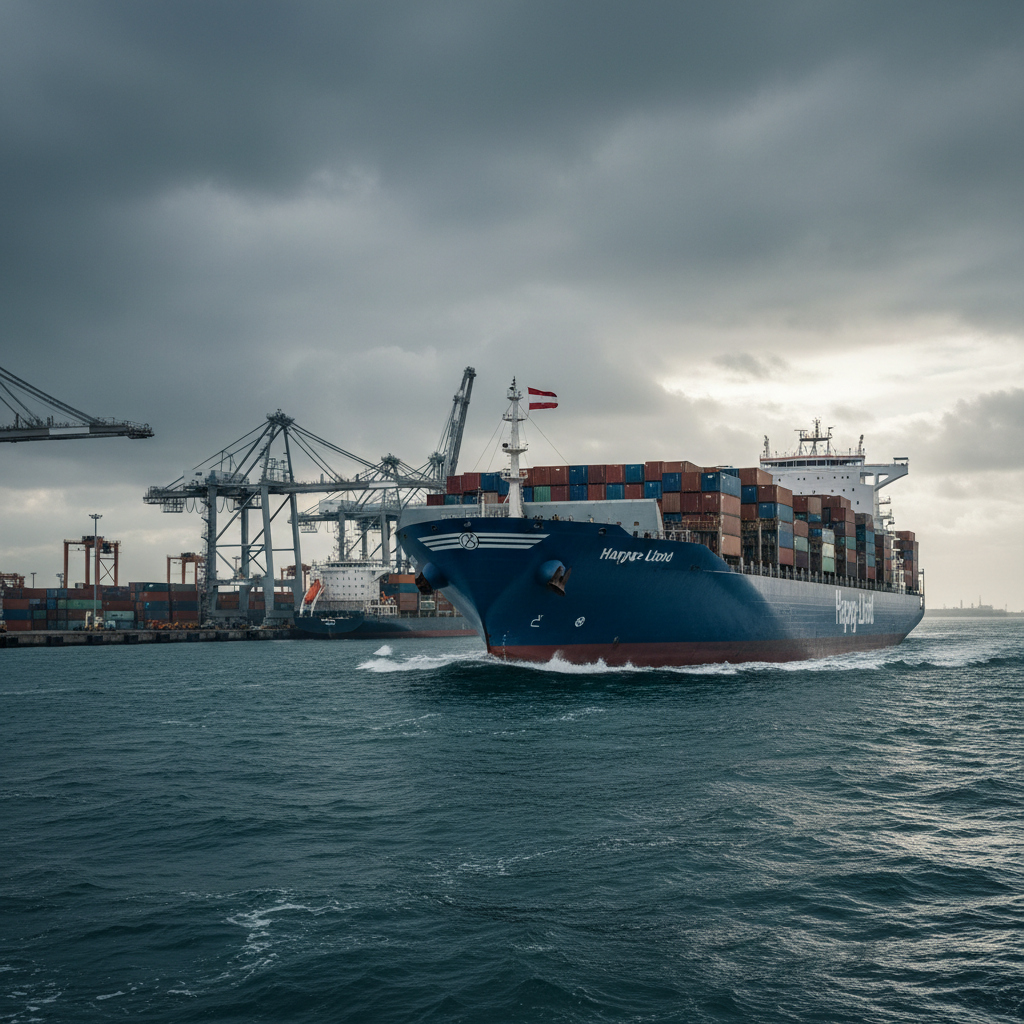
Impact on Shipping Routes and Transit Times
Recent geopolitical events, particularly the ongoing security situation around the Bab el-Mandeb Strait, are compelling major carriers to fundamentally alter established shipping routes. The decision by Hapag-Lloyd to implement an "alternative feeder arrangement" for cargo destined for Aden, originating from Jeddah, is a clear indicator of this shift. Instead of a direct main-line vessel service, cargo now faces a multi-leg journey, involving an initial transit to an intermediate hub like Jeddah, followed by transshipment onto a "third-party feeder service" for the final leg.
This deviation from standard operational procedures immediately introduces significant changes to transit times. Each additional transfer point and vessel change inherently extends the overall duration of the journey. Feeder services, by their nature, often operate on less frequent schedules or with smaller capacities compared to the main ocean liners, potentially leading to longer waiting times at transshipment ports. This elongation of the supply chain not only delays the final delivery of goods but also increases their exposure to various risks, including port congestion, additional handling, and further potential disruptions.
For businesses, these extended and less predictable lead times directly impact inventory management, production planning, and ultimately, their ability to meet customer commitments. Time-sensitive goods or components are particularly vulnerable to such delays. An MGS shipment-visibility control tower becomes an indispensable tool in this volatile environment. By offering real-time tracking across these newly fragmented and complex routes, it provides updated estimated times of arrival (ETAs) for each leg and the overall journey. This capability allows businesses to anticipate delays, proactively adjust their downstream operations, and communicate transparently with stakeholders, transforming uncertainty into actionable intelligence for better planning.
Increased Costs and Surcharges
The introduction of an "emergency surcharge" by carriers like Hapag-Lloyd for specific routes, such as the Jeddah to Aden segment, is a direct and immediate financial consequence of geopolitical disruptions. This surcharge is levied to compensate for the additional operational expenses incurred when standard, efficient routes become unviable due to security concerns. These costs can stem from a multitude of factors, including longer sailing distances due to rerouting, the necessity of employing smaller, often more expensive, feeder vessels, increased insurance premiums for navigating high-risk areas, or the implementation of enhanced security measures.
For shippers, this translates directly into higher freight rates, significantly impacting their total landed cost of goods. These elevated costs are often passed down the supply chain, eventually contributing to higher consumer prices. Businesses operating on tight margins or dealing with high-volume, low-margin commodities find these surcharges particularly challenging, as they can erode profitability or necessitate a re-evaluation of sourcing and pricing strategies.
Moreover, the unpredictable nature and sudden imposition of such surcharges complicate financial forecasting and budgeting for supply chain operations. Companies may face unexpected cost spikes, making it difficult to maintain stable pricing or competitive advantage in the market. In this environment, an MGS control tower offers crucial transparency into the total cost of transportation. By integrating freight invoices and surcharge information with real-time shipment data, it provides a comprehensive, granular view of expenses. This enables businesses to immediately understand the financial impact of disruptions, evaluate alternative shipping options based on cost-effectiveness, and negotiate more effectively with carriers by leveraging clear, data-backed insights into rate fluctuations.
Supply Chain Volatility and Reliability
The "continuing security situation" and the resulting necessity for "alternative feeder arrangements" fundamentally undermine the predictability and reliability of global supply chains. When established, efficient routes are deemed unsafe, and emergency, often ad-hoc, solutions are implemented, the entire logistics network becomes inherently more volatile. This means that previously reliable delivery schedules are no longer guaranteed, and the risk of unexpected delays, diversions, or even cargo abandonment increases significantly.
For businesses, this heightened volatility translates into a pervasive lack of confidence in their ability to meet production deadlines, fulfill customer orders on time, or maintain consistent service levels. To mitigate this uncertainty, companies may be forced to increase inventory levels as a buffer, tying up valuable capital and incurring additional warehousing costs. The requirement for "customers to arrange customs clearance" for affected cargo further exemplifies the deviation from streamlined processes, adding another layer of potential delay and administrative complexity.
Such disruptions can severely damage brand reputation if delivery promises cannot be consistently met, potentially leading to lost sales, contractual penalties, or a decline in customer loyalty. The cumulative effect of these reliability issues often forces businesses to undertake a strategic reassessment of their entire supply chain design, potentially leading to diversification of sourcing, manufacturing locations, or a shift towards more resilient, albeit potentially costlier, logistics strategies.
An MGS shipment-visibility control tower is indispensable for navigating this increased volatility. It provides real-time alerts on deviations from planned routes, potential delays, and changes in cargo status. This immediate insight empowers supply chain managers to react swiftly, whether by proactively communicating with customers, re-prioritizing orders, or exploring alternative transport modes. By offering a single source of truth for all shipment data, it helps restore a critical degree of control and predictability in an otherwise unpredictable operational environment.
Operational Challenges for Carriers and Shippers
The implementation of an "alternative feeder arrangement" and the reliance on a "third-party feeder service" introduce substantial operational complexities for both the carriers managing the disrupted routes and the shippers whose cargo is affected. For the primary carriers, this necessitates managing new relationships with feeder operators, coordinating intricate transshipments at potentially congested intermediate hubs like Jeddah, and ensuring the seamless transfer of both physical cargo and critical documentation. This demands significant additional administrative effort, careful resource allocation, and rigorous oversight to maintain service quality and integrity across multiple service providers.
For shippers, the instruction that "customers must arrange customs clearance" for cargo in Jeddah adds a considerable operational burden. Typically, main-line carriers or their agents handle such procedures as part of a comprehensive door-to-door or port-to-door service. This new requirement now obligates shippers to possess local representation, expertise in regional customs regulations, and the capacity to manage additional paperwork and processes, often for cargo that was not originally intended to clear customs at that specific intermediate point. This fragmentation of responsibility can lead to communication breakdowns, increased administrative overhead, and a higher probability of errors or delays in customs processing. It also demands a more hands-on, resource-intensive approach from shippers, diverting valuable internal resources from their core business activities.
The overall effect is a less efficient, more labor-intensive logistics process that demands greater vigilance and coordination from all parties involved. An MGS shipment-visibility control tower can significantly alleviate these operational challenges. By consolidating communication channels and providing a centralized platform for documentation, it simplifies coordination between multiple parties – the main carrier, the feeder service, customs brokers, and the shipper. It can flag upcoming customs requirements, track the status of documentation, and provide a clear, unified overview of cargo location and status across all legs of the journey, thereby reducing manual effort, minimizing errors, and improving overall operational efficiency.
Long-term Strategic Shifts
While the immediate response to geopolitical disruptions often involves "emergency surcharges" and "alternative feeder arrangements," the "continuing security situation around the Bab el-Mandeb Strait" suggests that such challenges are not merely transient incidents but potentially enduring features of the global trade landscape. This sustained instability compels businesses to consider more profound, long-term strategic shifts in their supply chain design.
Over-reliance on single, vulnerable maritime chokepoints becomes an unacceptable risk factor that demands proactive mitigation. Companies may increasingly explore diversification of their sourcing and manufacturing locations, moving away from a pure 'just-in-time' model towards a more resilient 'just-in-case' approach, potentially involving increased buffer stocks or the establishment of regional distribution hubs. Investment in alternative transport corridors, even if currently more expensive or less developed, might be considered to build future resilience. This could include exploring intermodal rail links, new overland routes, or entirely different ocean routes that bypass conflict zones, albeit at the cost of significantly longer transit times and higher operational expenses.
The strategic emphasis will shift from singular cost optimization to a more balanced approach that prioritizes risk mitigation and supply chain resilience. This involves a comprehensive reassessment of global logistics networks, potentially leading to nearshoring or friend-shoring initiatives designed to reduce geopolitical exposure and ensure greater stability of supply. An MGS control tower plays a pivotal role in informing these strategic decisions. By providing historical data on disruption frequency, duration, and their quantifiable impact (e.g., cost increases, transit delays), it helps businesses model different supply chain scenarios. It can analyze the performance and true cost of current routes versus potential alternatives, offering data-driven insights into the true cost of resilience and enabling informed decisions about long-term network redesign and proactive risk management strategies.
Source: Container News — https://container-news.com/hapag-lloyd-introduces-emergency-surcharge-for-jeddah-aden-cargo/