
PCTC Orderbook Surge: Navigating the Looming Oversupply and Trade Shifts
A significant surge in the orderbook for pure car and truck carriers (PCTCs) signals a potential oversupply crisis, driven by booming Chinese vehicle exports but threatened by impending European import restrictions. This brief analyzes the global supply chain and financial ramifications, highlighting how advanced visibility platforms can help navigate this volatile market.
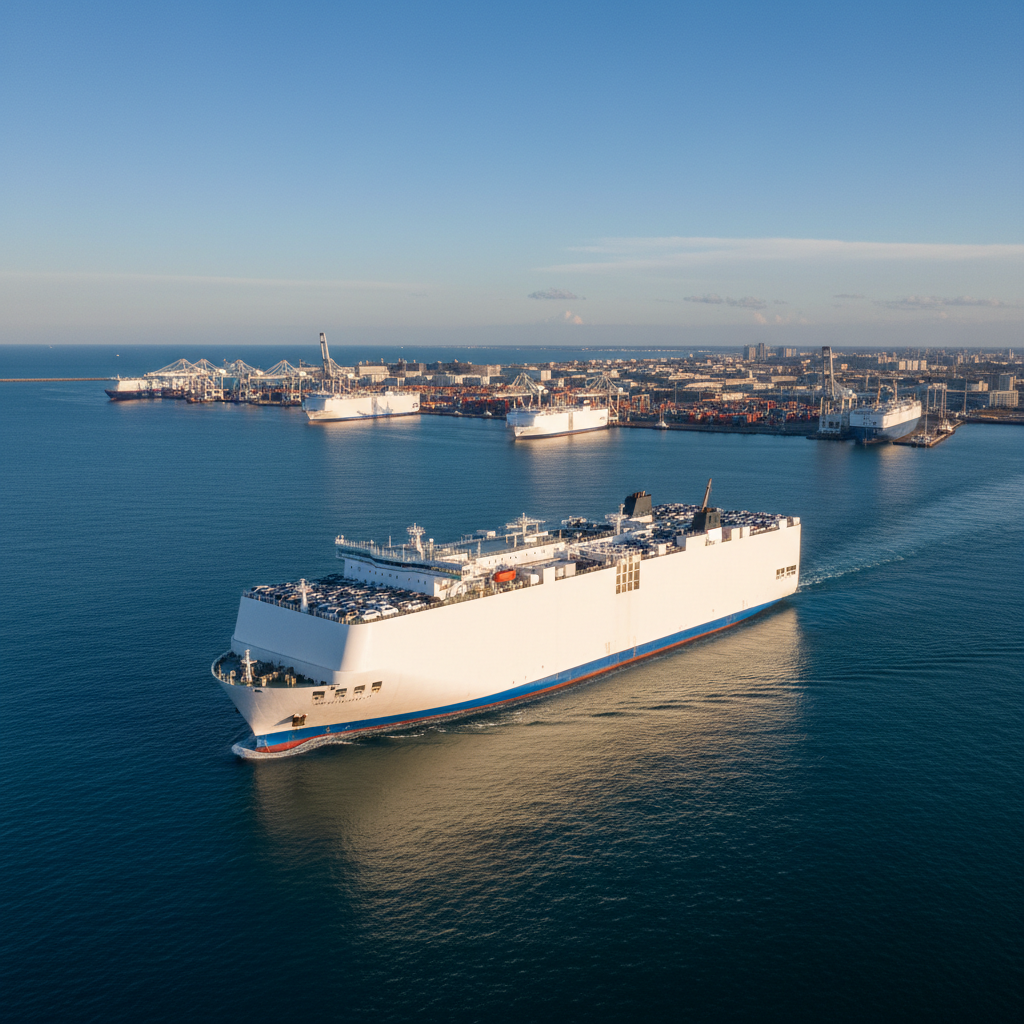
The global maritime logistics landscape is bracing for a significant shift within the specialized car carrier sector. A rapid expansion in the orderbook for Pure Car and Truck Carriers (PCTCs), fueled by robust Chinese vehicle export growth and elevated charter earnings, has sparked concerns about an impending oversupply. This development, marked by 82 new PCTC contracts in the first nine months of 2026 compared to just 9 vessels ordered throughout 2025, represents a dramatic acceleration in fleet expansion. However, this surge in capacity is shadowed by the prospect of European restrictions on Chinese vehicle imports, which could severely curb a key driver of demand, creating a precarious balance for the industry.
How this impacts the global supply chain
The substantial increase in PCTC capacity is poised to profoundly influence global supply chain flows, routes, and operational dynamics. Initially, the influx of new vessels could alleviate existing capacity constraints, particularly on high-demand routes originating from Asia. This might lead to increased frequency of sailings and potentially more direct routes as carriers compete for cargo. However, should demand, especially from the critical European market, falter due to import restrictions, the industry faces the stark reality of significant overcapacity. This scenario could trigger a cascade of operational adjustments: carriers might resort to slow steaming to conserve fuel and manage vessel utilization, leading to longer transit times. We could also see an increase in blank sailings or the temporary idling of vessels, disrupting established shipping schedules and creating bottlenecks at ports as fewer vessels call or dwell longer. For automotive manufacturers and distributors, this translates to heightened uncertainty regarding delivery schedules, potential inventory imbalances, and the need for greater agility in logistics planning. The geographical distribution of this excess capacity will also be critical; routes heavily reliant on Chinese exports to Europe will be most vulnerable to disruption, potentially forcing carriers to explore alternative trade lanes or consolidate services.
Global financial impact
The financial implications of this PCTC orderbook surge are multi-faceted, impacting shippers, carriers, and the broader trade environment. For carriers, the immediate concern is a potential erosion of charter rates and profitability. A market flooded with excess capacity will inevitably drive down prices, making it challenging for operators to cover the significant capital expenditure associated with newbuilds. This could lead to financial distress, consolidation within the sector, or even bankruptcies for less resilient players. Existing fleets may also see a devaluation of assets. For shippers, particularly automotive manufacturers, the initial phase of increased capacity might offer a temporary advantage through potentially lower freight rates and more flexible booking options. However, this benefit could be short-lived. If oversupply leads to carrier instability, shippers might face unreliable service, increased surcharges to offset carrier losses, or even delays if carriers cut corners on maintenance or operational efficiency. The threat of European import restrictions on Chinese vehicles directly impacts trade volumes, potentially shifting billions in trade value and altering the competitive landscape for automotive exports globally. This could force manufacturers to re-evaluate production locations, supply chain sourcing, and market diversification strategies, incurring significant retooling and relocation costs. The ripple effect could extend to port operators, logistics providers, and even financial institutions exposed to the maritime shipping sector.
How MGS can help navigate today's global trade environment
In an environment marked by potential oversupply and volatile trade policies, a shipment-visibility control tower like MGS becomes an indispensable tool for operators. MGS provides real-time, end-to-end visibility of shipments, including those on PCTCs. This allows automotive manufacturers and logistics providers to monitor the exact location and status of their high-value cargo, from factory gate to dealership. When faced with potential blank sailings or route changes due to overcapacity, MGS users can immediately identify affected shipments, assess the impact on their supply chain, and proactively communicate with stakeholders. For instance, if a PCTC is delayed or diverted, MGS's predictive analytics can estimate new arrival times, enabling precise inventory adjustments and preventing costly production line stoppages or showroom stockouts. Furthermore, by consolidating data from various carriers and modes, MGS offers a holistic view of the entire network. This capability is crucial when carriers might be forced to optimize vessel utilization through slower speeds or fewer port calls. MGS empowers users to identify alternative shipping options, reroute cargo if necessary, or negotiate more effectively with carriers based on accurate, up-to-the-minute information. This level of transparency and actionable insight is vital for maintaining operational efficiency and mitigating risks in a rapidly evolving and potentially challenging market.
Demand–supply analysis & improvement
The current situation reveals a significant imbalance in the demand-supply dynamics within the PCTC sector. On the demand side, the primary driver has been the booming Chinese vehicle export market. This surge in exports created a strong demand for shipping capacity, pushing charter rates higher and incentivizing new vessel orders. However, this demand is now facing a substantial threat from potential European import restrictions, which could drastically reduce a key segment of this growth. This introduces a high degree of volatility and uncertainty into future demand projections. On the supply side, the industry is witnessing an unprecedented expansion, with 82 new PCTCs ordered in the first nine months of 2026 alone, a stark contrast to the 9 vessels ordered in all of 2025. This rapid fleet growth, while a response to recent high demand and earnings, risks creating a significant oversupply if demand growth decelerates or reverses. The lag time between ordering a vessel and its delivery means that many of these new PCTCs will enter service precisely when demand might be contracting.
To improve resilience and navigate this imbalance, several levers can be pulled. For shippers, diversifying export markets beyond Europe and optimizing inventory strategies to reduce reliance on just-in-time deliveries become critical. Negotiating flexible shipping contracts that account for potential capacity fluctuations is also key. For carriers, strategic deployment of new vessels, exploring nascent trade lanes, and potentially implementing slow steaming or temporary layups could help manage capacity. Rigorous market intelligence and demand forecasting, incorporating geopolitical factors like trade policies, are essential for making informed investment and operational decisions. The industry as a whole benefits from improved data sharing and collaborative planning to avoid collective overinvestment.
ROI-focused resilience
Investing in advanced supply chain resilience, particularly through platforms like MGS, offers a clear return on investment (ROI) by protecting against quantifiable risks in a volatile PCTC market. Consider the financial risk of demurrage and detention charges: with potential port congestion or carrier service disruptions stemming from oversupply, delays are more likely. MGS's precise ETA tracking can reduce these costs by enabling proactive planning for cargo pickup and customs clearance, potentially saving hundreds of thousands of dollars annually for large-volume shippers. Another quantifiable risk is expedited shipping costs: when unforeseen delays occur, companies often resort to expensive air freight or premium ocean services to meet deadlines. By providing early warning of potential PCTC delays, MGS allows for timely adjustments, minimizing the need for costly last-minute interventions. A 10% reduction in expedited shipping incidents due to better visibility can translate into significant savings. Furthermore, inventory holding costs are substantial for high-value automotive components and finished vehicles. Accurate, real-time visibility from MGS reduces the need for buffer stock, optimizing inventory levels and freeing up capital. For example, a 5% reduction in safety stock across a global network can yield millions in working capital improvements. Finally, the strategic risk of production line stoppages or missed sales opportunities due to supply chain disruptions is immense. MGS's ability to predict and mitigate these disruptions protects revenue streams and maintains customer satisfaction, safeguarding brand reputation and market share in a highly competitive automotive sector. These tangible financial and operational benefits demonstrate a clear ROI for investing in robust visibility solutions amidst the PCTC market's uncertain future.
Source: The Loadstar — https://theloadstar.com/car-carrier-orderbook-surge-raises-oversupply-fears/