
Oil Tanker Struck by Naval Mine in Strait of Hormuz
An oil tanker was reportedly struck by a naval mine in the eastern Strait of Hormuz on November 14, 2026, according to a claim by Iran's navy. This incident immediately raises concerns for global energy supply chains and maritime security in one of the world's most critical chokepoints.
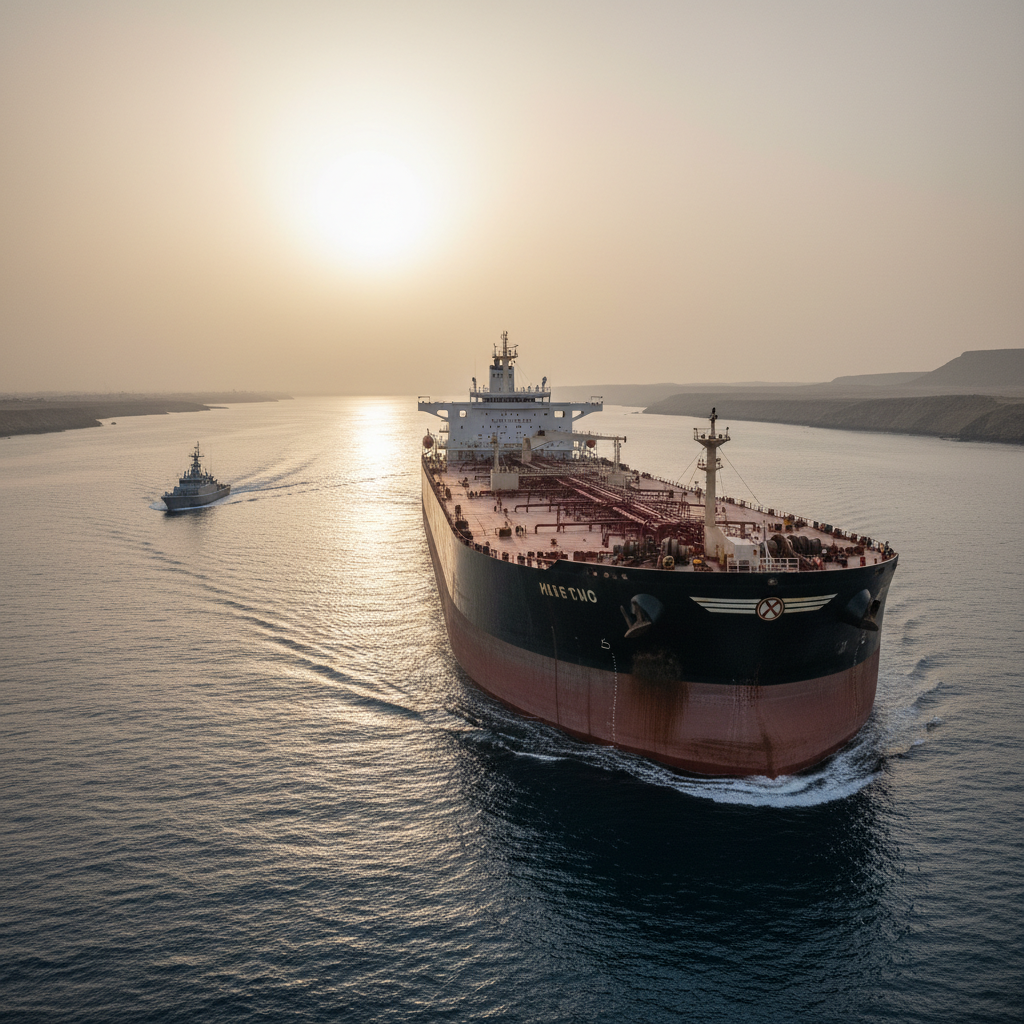
The Strait of Hormuz, a narrow waterway connecting the Persian Gulf to the open ocean, witnessed a significant incident on Saturday morning, November 14, 2026. An oil tanker was reportedly set ablaze after hitting a naval mine in its eastern sector, an event claimed by Iran's navy. This development introduces a new layer of uncertainty for global trade, particularly for the movement of crude oil and liquefied natural gas, which heavily relies on this passage.
Strait of Hormuz: A Critical Chokepoint Under Threat
The Strait of Hormuz is globally recognized as a strategic maritime chokepoint, through which a substantial portion of the world's seaborne oil passes daily. Its geographical confines mean that any disruption, whether accidental or intentional, has immediate and far-reaching consequences for international energy markets and supply chains. The reported naval mine incident involving an oil tanker underscores the inherent vulnerabilities of this waterway. For shippers and forwarders, the immediate concern shifts from routine operational challenges to assessing the heightened security risks associated with transiting this region. The incident, occurring in the eastern part of the Strait, highlights that even areas typically considered less volatile can become flashpoints, demanding constant vigilance and dynamic risk assessment from all maritime stakeholders.
Escalating Risk for Maritime Insurance and Shipping Costs
Incidents like the reported naval mine strike directly impact the financial calculus of maritime operations. The immediate aftermath typically sees a sharp increase in war risk insurance premiums for vessels operating in or transiting the affected area. These premiums are a direct reflection of the perceived threat level, and a naval mine incident signals a significant escalation. For an oil tanker, a vessel type already subject to stringent safety and security protocols, such an event translates into substantially higher operating costs. These increased costs are inevitably passed down the supply chain, affecting freight rates for crude oil, refined products, and other cargo. Shippers should anticipate potential surcharges and longer lead times as carriers re-evaluate their risk exposure and adjust their pricing structures. The economic ripple effect extends beyond direct transit costs, influencing global commodity prices and potentially impacting consumer markets.
Diversion Strategies and Supply Chain Resilience
While the Strait of Hormuz is indispensable for Persian Gulf exports, the naval mine incident forces a renewed examination of alternative routes and supply chain resilience. For oil tankers, the options for bypassing the Strait are extremely limited, often involving significantly longer voyages around the Arabian Peninsula, which incur higher fuel costs and extended transit times. Such diversions strain vessel availability and can lead to delays in delivery schedules. Shippers of all cargo types, not just oil, must evaluate their exposure to this chokepoint. This includes understanding the origin and destination of their goods, the specific carriers and routes used, and the potential for disruption. Developing contingency plans, such as exploring multi-modal alternatives where feasible or diversifying sourcing locations, becomes a more pressing concern. The incident serves as a stark reminder that reliance on single, vulnerable chokepoints can introduce substantial risk into global supply networks.
Broader Geopolitical Implications for Regional Stability
The claim by Iran's navy regarding the naval mine incident adds a geopolitical dimension to the event, contributing to an already complex regional security environment. Such claims, regardless of their veracity, heighten tensions and increase the perception of risk for commercial shipping. The Strait of Hormuz has historically been a flashpoint for geopolitical rivalries, and any incident involving military assets or claims of such nature can quickly escalate. For supply chain managers, this means that the operational risks are not purely logistical or economic; they are intertwined with political stability and international relations. Monitoring geopolitical developments in the region becomes as important as tracking vessel movements or port congestion. The incident underscores the need for a comprehensive risk management approach that integrates geopolitical analysis into supply chain planning.
Hormuz incident demands immediate risk re-evaluation
The naval mine incident in the Strait of Hormuz necessitates an urgent reassessment of supply chain vulnerabilities and risk mitigation strategies for all stakeholders.
- Official confirmation or denial of the naval mine claim by independent bodies or international organizations.
- Changes in war risk insurance premiums for vessels transiting the Strait of Hormuz in the coming weeks.
- Any reported diversions of commercial shipping, particularly oil tankers, from the Strait of Hormuz.
- Statements from major shipping lines or oil companies regarding operational changes or security advisories for the region.
Source: Marine Insight — https://www.marineinsight.com/oil-tanker-fire-naval-mine-strait-hormuz/?utm_source=rss&utm_medium=rss&utm_campaign=oil-tanker-fire-naval-mine-strait-hormuz