
Durban Port Delays Intensify Under Geopolitical Strain
Severe delays are building up at the port of Durban, a vital gateway for South African trade, exacerbating existing pressures from global trade dynamics. Geopolitical events are reshaping cargo movement, impacting routes, airspace, waterways, tariffs, and sanctions, leading to increased costs and reduced predictability for shippers and forwarders.
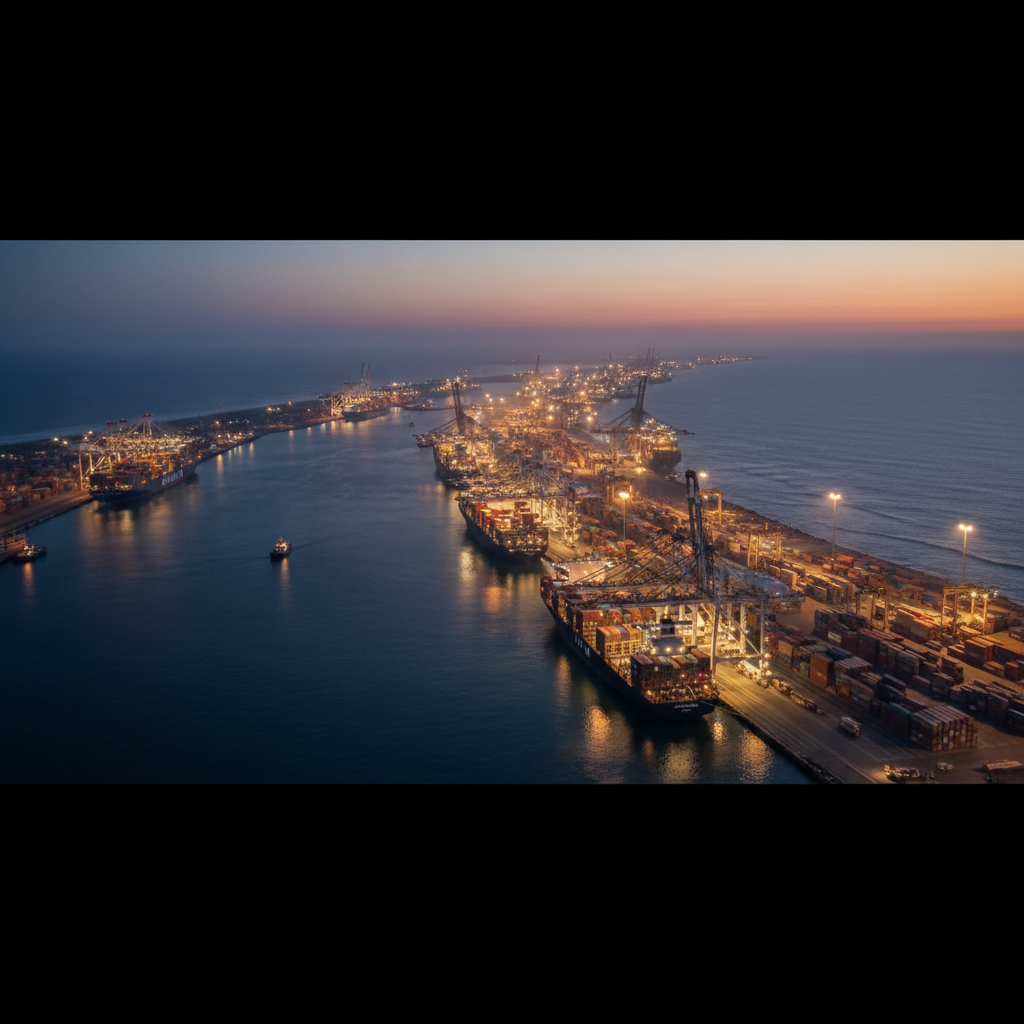
Durban's Mounting Operational Bottlenecks
The port of Durban, a vital gateway for South African trade, is currently experiencing severe operational delays, creating substantial challenges for shippers and logistics providers. These delays manifest as extended waiting times for vessels seeking to berth, leading to congestion both at sea and within the port's terminals. Cargo processing slows considerably, impacting the timely discharge and loading of goods. This situation exacerbates an already strained environment, where the port has contended with a consistent influx of competitively priced Asian imports. Such import volumes, while reflecting consumer demand, can place immense pressure on existing infrastructure and operational capacity, particularly if not matched by efficient throughput mechanisms. Furthermore, the global trade landscape has been reshaped by various trade policies, including US tariffs, which can indirectly influence cargo flows and demand patterns in other regions. While not directly imposed on South Africa, these tariffs can alter global manufacturing and sourcing strategies, potentially redirecting trade volumes or changing the composition of goods moving through ports like Durban. The cumulative effect is a system struggling to maintain fluidity, leading to increased dwell times for containers, higher demurrage charges, and significant disruptions to inland transport networks that rely on predictable port operations. This creates a domino effect, where delays at the port translate into delays across the entire domestic supply chain, affecting manufacturing schedules, retail stock levels, and ultimately, consumer availability. The current situation at Durban highlights how localized operational issues can be amplified by broader global economic and trade dynamics, making efficient port management an essential component of national economic stability.
Global Trade Route Realignments and Airspace Restrictions
Beyond specific port challenges like those in Durban, geopolitical events are fundamentally reshaping global cargo movement across all modes. Waterways, traditionally the most cost-effective arteries of international trade, are increasingly subject to disruption. Areas of heightened tension or conflict force shipping lines to reroute vessels, often adding thousands of nautical miles to journeys. This translates directly into longer transit times, increased fuel consumption, and higher operational costs for carriers, which are inevitably passed on to shippers through elevated freight rates and surcharges. Such diversions not only affect the primary trade lanes but also create ripple effects, impacting vessel availability and scheduling across interconnected routes. Similarly, airspace closures and restrictions, often a direct consequence of geopolitical instability, compel air cargo carriers to adopt longer, less direct flight paths. These extended routes consume more fuel, reduce payload capacity due to weight restrictions, and increase flight crew hours, all contributing to higher air freight costs and reduced service frequency on affected lanes. The cumulative impact on global supply chains is a reduction in predictability and reliability. Shippers face greater uncertainty regarding delivery schedules, making inventory management and production planning more complex. The need to adapt to these shifting routes and restrictions demands constant monitoring and agile decision-making from logistics professionals, as the traditional efficiencies of established global networks are continuously challenged.
Tariffs, Sanctions, and the Cost of Compliance
The imposition of tariffs and sanctions by various nations represents another powerful geopolitical tool directly influencing cargo movement and trade economics. Tariffs, such as the US tariffs mentioned in the context of Durban's existing strain, directly increase the landed cost of imported goods. This economic barrier can significantly alter trade flows, prompting companies to reconsider sourcing locations, shift production, or seek alternative markets for their products. The result is often a diversion of trade, where goods that once flowed freely between two points are now routed through third countries or replaced by domestically produced alternatives, sometimes at a higher cost or lower quality. Sanctions, on the other hand, are more restrictive, prohibiting trade in specific goods, technologies, or with designated entities or countries. For shippers and forwarders, navigating this complex web of regulations is a substantial undertaking. Compliance requires meticulous due diligence, robust screening processes, and a deep understanding of evolving legal frameworks. Non-compliance carries severe penalties, including hefty fines and reputational damage. The administrative burden of ensuring adherence to these rules adds layers of complexity and cost to international trade. Furthermore, sanctions can fragment global markets, leading to the emergence of parallel supply chains or the isolation of certain economies, which in turn affects global demand and supply balances. These measures, while intended to achieve political objectives, have tangible and often costly consequences for the movement of goods and the profitability of businesses engaged in international commerce.
Supply Chain Vulnerability and the Drive for Diversification
The confluence of port delays, rerouted cargo, and trade restrictions highlights a fundamental vulnerability within many contemporary supply chains. For decades, the emphasis has been on lean, just-in-time models designed for maximum efficiency and cost reduction. However, the current environment, characterized by frequent and unpredictable geopolitical disruptions, exposes the fragility of systems with minimal buffers and single points of failure. Companies are now compelled to re-evaluate their sourcing strategies, moving away from over-reliance on single regions or suppliers. This shift involves exploring multi-sourcing options, establishing regional production hubs, and building greater inventory resilience. While these strategies can increase immediate operational costs, they offer enhanced protection against unforeseen disruptions. The financial implications extend beyond direct freight costs; insurance premiums for cargo moving through high-risk areas have risen, and the capital tied up in increased inventory levels represents a significant investment. Furthermore, the need for enhanced visibility and real-time data across the supply chain has become essential for effective risk management. Supply chain managers are increasingly focused on developing contingency plans, identifying alternative routes and modes of transport, and fostering stronger relationships with a diverse network of logistics partners. The goal is to build supply chains that are not only efficient but also adaptable and resilient, ensuring business continuity even amidst a volatile global trade landscape.
Adaptability Becomes the New Standard
The current global trade environment, marked by intensifying geopolitical pressures, demands a fundamental shift in supply chain strategy. The severe delays at ports like Durban, coupled with widespread route disruptions and the complexities of tariffs and sanctions, underscore a new reality for cargo movement. Businesses must move beyond optimizing solely for cost and efficiency, prioritizing the ability to withstand and quickly recover from unforeseen events. Proactive risk assessment, continuous monitoring of global events, and the development of flexible, multi-modal logistics plans are no longer optional but essential for maintaining trade flows and ensuring market access.
Source: Container News — https://container-news.com/why-durban-can-not-afford-new-reallity/