
Three Tankers Struck by Naval Mines in Strait of Hormuz, Raising Shipping Risk
Naval mines have damaged three oil tankers in the Strait of Hormuz, immediately escalating security concerns for global energy shipments. This incident forces shippers and forwarders to re-evaluate transit risks, insurance costs, and potential rerouting strategies through the world's most critical oil chokepoint.
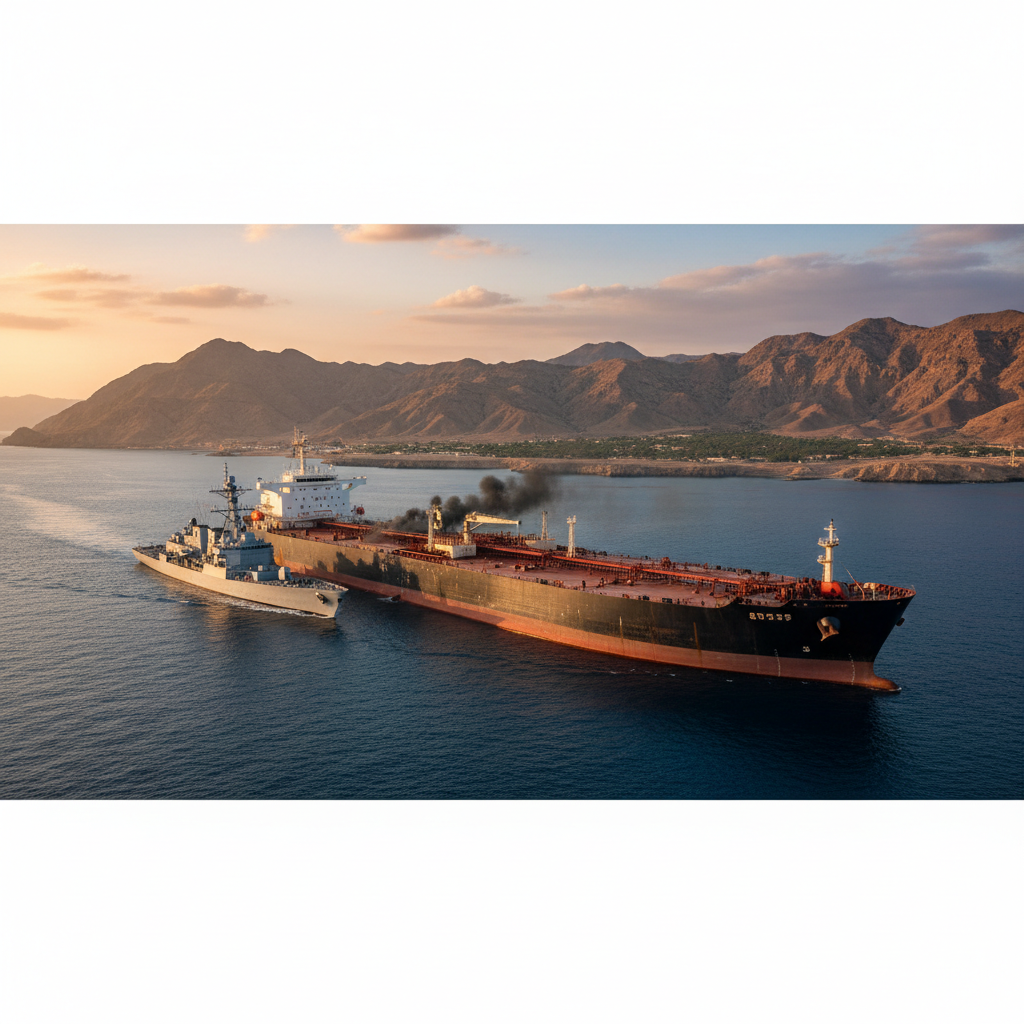
The Strait of Hormuz, a narrow passage connecting the Persian Gulf to the open ocean, experienced a significant security incident overnight and early on Monday. Three oil tankers sustained damage after striking naval mines, according to Iranian state television reports. This event immediately elevates the risk profile for all maritime traffic through this vital waterway, particularly for the energy sector.
The incident, which saw the vessels catch fire, has prompted warnings from Iran's paramilitary Revolutionary Guard Corps and the army regarding the continued danger in a U.S.-protected shipping lane. For supply chain managers, this development is not merely a regional security matter; it directly impacts global trade flows, commodity prices, and the operational calculus for thousands of voyages.
Strait of Hormuz Mine Strikes Threaten Global Oil Flow
The Strait of Hormuz is the world's most important oil transit chokepoint, handling approximately one-fifth of global petroleum consumption. The confirmed mine strikes on three tankers introduce an immediate and tangible threat to this flow. Tanker operators now face an environment where transit through the strait carries a direct risk of physical damage to vessels and cargo, as well as potential loss of life. This situation will inevitably lead to increased caution, slower transit speeds, and potentially temporary halts in movement as security assessments are conducted.
For shippers of crude oil, refined products, and liquefied natural gas (LNG) originating from or destined for Persian Gulf nations, the primary shipping lane is now compromised. Facilities in Saudi Arabia, the UAE, Qatar, Kuwait, and Iraq, which rely on the Strait for export, will experience direct operational challenges. Any disruption, even temporary, can create a ripple effect across global energy markets, influencing prices and availability. The incident underscores the vulnerability of concentrated supply routes to geopolitical events, demanding immediate attention from energy companies and their logistics partners.
Tanker Operations Face Heightened Security Costs and Delays
The immediate consequence for tanker operations will be a sharp increase in security costs and insurance premiums. War risk insurance rates for vessels transiting the Strait of Hormuz were already elevated due to past incidents; these mine strikes will push them higher. Insurers will reassess risk models, potentially imposing stricter conditions or even refusing coverage for certain voyages without additional security measures. This directly translates into higher freight rates for charterers and ultimately, higher costs for consumers.
Beyond financial implications, operational delays are inevitable. Vessels may be required to travel in convoys, adhere to specific, potentially longer, routes, or await security clearances, all of which extend transit times. This impacts vessel scheduling, port turnaround times, and the availability of tankers for subsequent charters. For forwarders managing complex supply chains, these delays can disrupt just-in-time inventory systems and necessitate adjustments to delivery schedules. The incident also raises questions about the long-term viability of current security protocols and the need for enhanced naval presence or alternative protective measures.
Shippers Must Re-evaluate Middle East Supply Routes and Contingencies
In response to this escalating threat, shippers and supply chain managers must undertake an urgent re-evaluation of their Middle East-related logistics strategies. The immediate priority involves assessing current and upcoming shipments through the Strait of Hormuz. This includes reviewing insurance coverage, understanding contractual obligations regarding force majeure clauses, and communicating proactively with carriers about revised security procedures and potential delays.
For cargo that can be rerouted, exploring alternative transportation corridors, though often more expensive and time-consuming, becomes a necessity. While the Strait of Hormuz is uniquely positioned for oil and gas, some dry bulk or containerized cargo might have limited, albeit less efficient, overland or alternative sea routes. Furthermore, diversifying sourcing locations or building buffer stock outside the immediate risk zone can mitigate future disruptions. This incident highlights the need for robust contingency planning, including scenario analysis for prolonged closures or sustained threats, and establishing clear communication channels with all stakeholders to manage expectations and adapt quickly to evolving conditions.
Hormuz Mine Incident Demands Urgent Supply Chain Adaptations
The naval mine strikes in the Strait of Hormuz represent a significant escalation of risk for global maritime trade, particularly for energy shipments. This event necessitates immediate and thorough adjustments to operational planning, risk assessment, and financial forecasting for all entities reliant on this waterway. Shippers must prioritize security, re-evaluate existing contracts, and actively explore contingency options to safeguard cargo movement and maintain supply chain stability in a newly volatile environment.
Source: Hellenic Shipping News — https://www.hellenicshippingnews.com/three-tankers-hit-naval-mines-in-strait-of-hormuz-iran-state-tv-says-ap/