
Navigating Turbulent Waters: Geopolitical Sanctions and Their Ripple Effect on Global Cargo Movement
Recent sanctions targeting specific vessels, including LNG tankers and bunkering ships, underscore the increasing impact of geopolitical events on the intricate web of global supply chains. This brief analyzes the cascading consequences for shipping routes, fuel supply, operational costs, and overall supply chain stability, highlighting the critical role of real-time visibility in mitigating disruption.
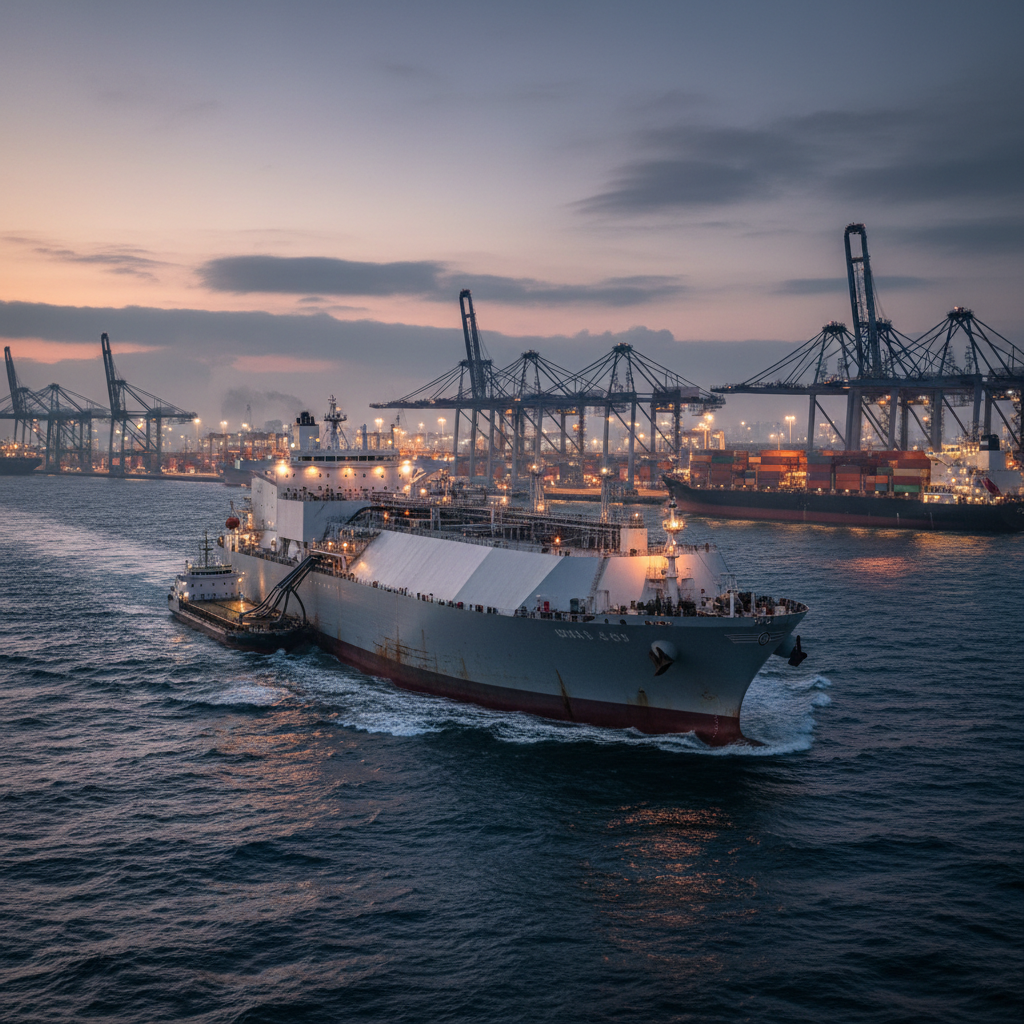
As geopolitical tensions continue to reshape the global economic landscape, their direct impact on the physical movement of cargo is becoming increasingly pronounced. Recent actions, such as the sanctioning of eight vessels linked to specific national interests, including those involved in the liquefied natural gas (LNG) trade and marine fuel supply, serve as a stark reminder of how political decisions translate into tangible disruptions for trade and transport. For supply chain professionals, understanding these consequences—from altered routes to escalating costs—is paramount for maintaining operational resilience.
Impact on Shipping Routes and Transit Times
Targeted sanctions on specific vessel types, such as LNG tankers, immediately introduce complexities into established shipping routes. When certain ships or those associated with particular operations are deemed high-risk or are outright prohibited from specific ports or regions, carriers are compelled to seek alternative pathways. This often translates into longer voyages, as vessels must circumnavigate restricted zones or find new bunkering locations. For instance, an LNG tanker sanctioned from accessing certain European ports might be forced to discharge its cargo at a more distant facility, requiring a longer journey for subsequent legs or a complete rerouting of its schedule. These deviations are not merely a matter of added mileage; they directly increase transit times, pushing back estimated arrival dates and disrupting downstream manufacturing or distribution schedules. Longer routes also inherently consume more fuel, adding to operational expenses and contributing to a larger carbon footprint. The ripple effect extends to port congestion in alternative hubs and potential delays for other vessels sharing those routes, creating a domino effect across the maritime network. An MGS shipment-visibility control tower can provide crucial real-time tracking of these rerouted vessels, offering updated estimated times of arrival (ETAs) and enabling proactive communication with stakeholders about potential delays.
Disruption to Fuel Supply Chains and Bunkering Operations
The sanctioning of bunkering ships, which are vital for supplying marine fuel to other vessels, represents a particularly critical point of vulnerability. Bunkering operations are the lifeblood of global shipping, ensuring that vessels can maintain their schedules and reach their destinations. When key bunkering ships or associated entities are sanctioned, the availability of marine fuel in certain regions can become constrained. This can lead to a scramble for alternative suppliers, potentially driving up fuel prices due to increased demand and reduced supply options. Vessels might be forced to travel further off-route to access compliant bunkering services, further exacerbating transit times and fuel consumption. Moreover, the uncertainty surrounding fuel availability can cause carriers to adopt more conservative fueling strategies, potentially leading to slower steaming speeds to conserve fuel, which again impacts transit times. The disruption to bunkering operations can create bottlenecks at critical maritime chokepoints, as vessels queue for limited fuel supplies, or bypass traditional refueling hubs entirely, creating new logistical challenges. The MGS platform, by providing a holistic view of vessel movements and potential delays, can help identify areas where bunkering issues are causing significant operational slowdowns.
Increased Operational Costs and Insurance Premiums
Geopolitical sanctions invariably lead to an escalation in operational costs for carriers and shippers. The need for longer routes, as discussed, directly increases fuel expenditure. Beyond fuel, the heightened risk associated with navigating sanctioned environments or operating vessels linked to targeted entities drives up insurance premiums. Insurers reassess risk profiles, often imposing higher rates for voyages through sensitive regions or for vessels involved in certain trades. Furthermore, compliance costs rise significantly, as carriers must invest more in due diligence to ensure they are not inadvertently violating sanctions, which can involve complex legal reviews and enhanced tracking measures. There's also the potential for increased port charges or tariffs in alternative ports, as well as the costs associated with potential delays, demurrage, and rerouting fees. The cumulative effect is a substantial increase in the cost of moving goods, which is ultimately passed down through the supply chain to consumers. An MGS control tower can help track and analyze the financial impact of these disruptions by correlating real-time operational changes with incurred costs, providing data-driven insights into the true expense of geopolitical volatility.
Supply Chain Volatility and Risk Management
Targeted sanctions, even on a limited number of vessels, contribute significantly to overall supply chain volatility. The unpredictability introduced by such measures makes it challenging for businesses to forecast lead times, manage inventory levels, and plan production schedules effectively. Shippers face increased uncertainty regarding when their goods will arrive, necessitating larger safety stocks or more agile inventory management strategies, both of which come with their own costs. The risk of sudden disruptions, such as a vessel being detained or a route becoming inaccessible, means that robust contingency planning is no longer a luxury but a necessity. Companies must develop alternative sourcing strategies, diversify their carrier base, and build greater flexibility into their logistics networks. The long-term implications include a potential shift towards regionalization or near-shoring of supply chains to reduce exposure to distant geopolitical risks. MGS platforms are crucial here, offering the real-time visibility and predictive analytics required to anticipate potential disruptions, evaluate alternative scenarios, and implement proactive risk mitigation strategies, transforming raw data into actionable intelligence for supply chain resilience.
Data Visibility and Predictive Analytics for Mitigation
In an era defined by geopolitical fluidity, real-time data visibility and advanced predictive analytics provided by platforms like MGS are no longer just an advantage—they are indispensable. A comprehensive shipment-visibility control tower offers a unified view of all cargo movements, allowing shippers and carriers to monitor the exact location and status of their consignments across all modes of transport. When sanctions lead to rerouting or delays, an MGS platform can immediately flag these deviations, providing updated ETAs and potential impact assessments. Predictive analytics can leverage historical data, current geopolitical intelligence, and real-time tracking to forecast potential bottlenecks, assess the likelihood of further disruptions, and model the impact of various scenarios. This enables proactive decision-making, such as rerouting cargo before it encounters a problem, adjusting inventory levels in anticipation of delays, or communicating transparently with customers about revised delivery schedules. By transforming complex, disparate data points into clear, actionable insights, an MGS control tower empowers organizations to navigate the turbulent waters of geopolitical disruption with greater confidence and control, turning potential crises into manageable challenges.
Source: Ship & Bunker — https://shipandbunker.com/news/emea/206743-uk-targets-russian-lng-tankers-and-bunkering-ships-in-new-sanctions