
Digital Threats, Physical Disruptions: Unpacking the Oil Tanker Cyber Breach
An unprecedented cyberattack on an oil supertanker's propulsion system near the Texas coast reveals a critical new dimension of supply chain vulnerability. This incident underscores the growing physical risks posed by digital threats to global cargo movement, impacting critical maritime lanes, port facilities, and downstream logistics. Shippers must now integrate cyber resilience into their supply chain strategies, leveraging advanced visibility platforms to mitigate risks and ensure continuity.
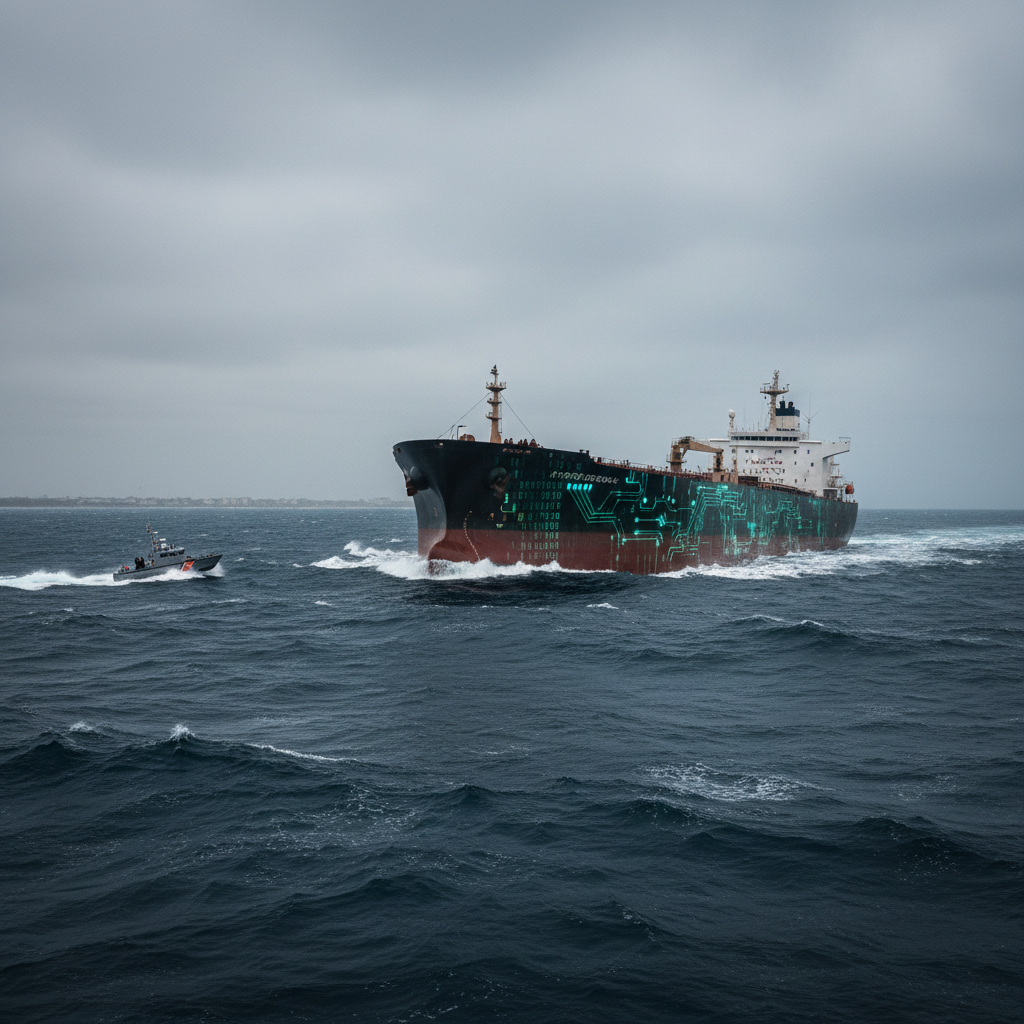
As an MGS supply-chain analyst, we continually monitor the evolving landscape of global logistics, identifying emerging threats that can disrupt the seamless flow of goods. While natural phenomena like extreme weather often dominate discussions around supply chain resilience, a recent incident highlights a rapidly escalating and equally potent threat: sophisticated cyberattacks targeting operational technology (OT) within critical transportation infrastructure.
Reports indicate that hackers successfully breached the propulsion system of an oil supertanker as it approached the Texas coast earlier this summer. This extraordinary event, now under investigation by the FBI and US Coast Guard, represents a stark realization of the growing physical risks stemming from digital vulnerabilities. For shippers, this isn't merely a security concern; it's a direct challenge to cargo integrity, delivery schedules, and overall supply chain stability.
The New Frontier of Supply Chain Vulnerability
For years, cybersecurity in logistics focused primarily on data breaches and IT systems. However, the incident involving the oil supertanker's propulsion system signals a dangerous pivot towards attacks on operational technology – the systems that control physical processes. Breaching a vessel's propulsion system means hackers could potentially manipulate speed, direction, or even disable the vessel entirely. This moves beyond data theft to direct control over physical assets, posing severe risks of collisions, groundings, environmental disasters, and significant cargo loss. The implications extend far beyond the immediate vessel, threatening the safety of crew, the integrity of the cargo, and the stability of global trade routes. This incident serves as a critical wake-up call, emphasizing that digital vulnerabilities now have tangible, physical consequences for the supply chain.
Impact on Critical Maritime Lanes
The cyberattack occurred as the supertanker was US-bound, approaching the Texas coast. This specific geographic context is crucial. The Gulf of Mexico and its approaches are vital arteries for global energy trade, handling a significant volume of crude oil and refined products destined for major US refineries and distribution hubs. A compromised vessel in such a high-traffic, strategically important lane presents multiple immediate and cascading risks:
- Navigation Hazards: A vessel with compromised propulsion could become unmaneuverable, posing a collision risk to other ships in busy shipping channels. This could necessitate emergency diversions or even temporary closures of sections of the lane, causing significant delays for numerous vessels.
- Congestion and Delays: Even if the vessel is safely brought under control, the incident itself would likely trigger investigations, salvage operations, and potential environmental assessments, all of which consume time and resources. This leads to backlogs, impacting vessel schedules and creating ripple effects across the maritime network.
- Supply Disruptions: An oil supertanker carries massive volumes of crude. Any prolonged delay or diversion directly impacts the supply of energy to the US market, potentially leading to price volatility and downstream shortages for industries reliant on petroleum products.
Strain on Port and Terminal Facilities
The immediate aftermath of such a breach places immense strain on the destination port and its associated facilities along the Texas coast. An oil supertanker approaching a major energy port like Houston, Galveston, or Corpus Christi requires precise navigation and docking procedures. A vessel with a compromised propulsion system would necessitate:
- Emergency Response: Ports would need to deploy significant resources, including tugboats, pilot services, and potentially hazmat teams, to safely manage and secure the disabled vessel. This diverts resources from routine operations.
- Berth Availability: A disabled vessel might occupy a critical berth for an extended period, or require a specialized emergency anchorage, impacting the flow of other incoming and outgoing cargo. This can lead to port congestion, increased demurrage charges, and further delays for other shippers.
- Inspection and Repair: Repairing a propulsion system, especially one affected by a cyberattack, is a complex and time-consuming process. The vessel might be out of commission for weeks or months, further impacting its owner's capacity and the broader shipping market.
Implications Across Transport Modes
While the initial incident directly impacted maritime transport, the ripple effects of a cyberattack on an oil supertanker can extend across multiple modes of transportation and the broader supply chain:
- Maritime to Inland: A delayed or undelivered crude oil shipment means refineries receive less feedstock. This, in turn, impacts the production of gasoline, diesel, and other petrochemicals that are then transported by pipeline, rail, and truck. Shortages at the refinery level can quickly translate to reduced availability for inland distribution networks.
- Energy Supply Chain: The incident highlights the interconnectedness of the energy supply chain. A disruption at sea can lead to reduced fuel availability for trucking fleets, rail operations, and even air cargo, creating bottlenecks across the entire logistics ecosystem.
- Economic Impact: Beyond direct shipping costs, such a breach can trigger insurance claims, regulatory fines, and potential environmental cleanup costs. The uncertainty and delays can also lead to increased inventory holding costs for shippers and manufacturers, and ultimately higher consumer prices.
Proactive Measures for Shippers
The cyberattack on the oil supertanker underscores the urgent need for shippers to enhance their resilience strategies against digital threats with physical consequences. Here's what shippers can do:
- Comprehensive Risk Assessment: Shippers must conduct thorough assessments of their entire supply chain, identifying critical nodes and partners (carriers, ports, terminals) and evaluating their cybersecurity posture, especially concerning operational technology.
- Carrier and Partner Vetting: Go beyond traditional performance metrics. Integrate cybersecurity audits and resilience planning into carrier selection and contract negotiations. Inquire about their OT security protocols, incident response plans, and compliance with industry best practices.
- Robust Contingency Planning: Develop detailed contingency plans for scenarios involving vessel disablement, port closures due to security incidents, or significant delays. This includes identifying alternative routes, modes, and suppliers to mitigate impact.
- Leverage Shipment-Visibility Control Towers (MGS): An advanced MGS control tower platform becomes an indispensable tool in managing such complex risks. Real-time, granular visibility allows shippers to:
- Early Detection: Monitor vessel movements, speed, and status in real-time. Any unexpected deviation, unscheduled stop, or change in AIS data could be an early indicator of a problem, allowing for immediate investigation.
- Impact Assessment: Quickly assess the potential impact of an incident on specific shipments, estimated arrival times, and downstream connections.
- Proactive Communication: Facilitate rapid communication with carriers, port authorities, and internal stakeholders to understand the situation and coordinate responses.
- Dynamic Re-routing & Re-planning: With real-time data, shippers can dynamically adjust logistics plans, reroute cargo, or activate alternative transport modes to minimize disruption.
- Compliance & Documentation: Maintain a comprehensive record of events, communications, and actions taken, crucial for insurance claims and regulatory compliance.
- Industry Collaboration and Intelligence Sharing: Engage with industry bodies, cybersecurity experts, and government agencies (like the FBI and US Coast Guard) to stay informed about emerging threats and share best practices for cyber resilience.
- Cyber Insurance Review: Ensure that existing insurance policies adequately cover losses stemming from cyber-physical attacks, including cargo damage, business interruption, and liability.
This incident serves as a powerful reminder that the digital and physical worlds are inextricably linked in the modern supply chain. Proactive investment in cybersecurity, robust contingency planning, and advanced visibility tools are no longer optional but essential for navigating this new era of complex threats.
Source: gCaptain — https://gcaptain.com/hackers-breached-propulsion-system-of-us-bound-oil-tanker/