
Navigating the Vortex: Geopolitical Pressures Drive Dynamic Network Reshaping in Global Logistics
Geopolitical shifts are compelling carriers to fundamentally redesign their global networks, impacting routes, transit times, and port operations. This brief analyzes the consequences for trade and transport, highlighting the critical role of real-time visibility in an increasingly volatile supply chain landscape.
Introduction: Setting the Stage
The global supply chain environment is currently defined by an unprecedented level of volatility and complexity. Geopolitical factors, ranging from regional conflicts and trade disputes to evolving international relations and maritime security challenges, are creating a constantly shifting landscape for cargo movement. This dynamic environment necessitates continuous adaptation from global carriers, who must strategically re-evaluate and redesign their service networks to maintain efficiency, reliability, and market access. Such adjustments are not merely operational tweaks but fundamental shifts in how goods traverse the globe, reflecting a proactive response to an inherently unstable operating context.
The Geopolitical Imperative for Network Redesign
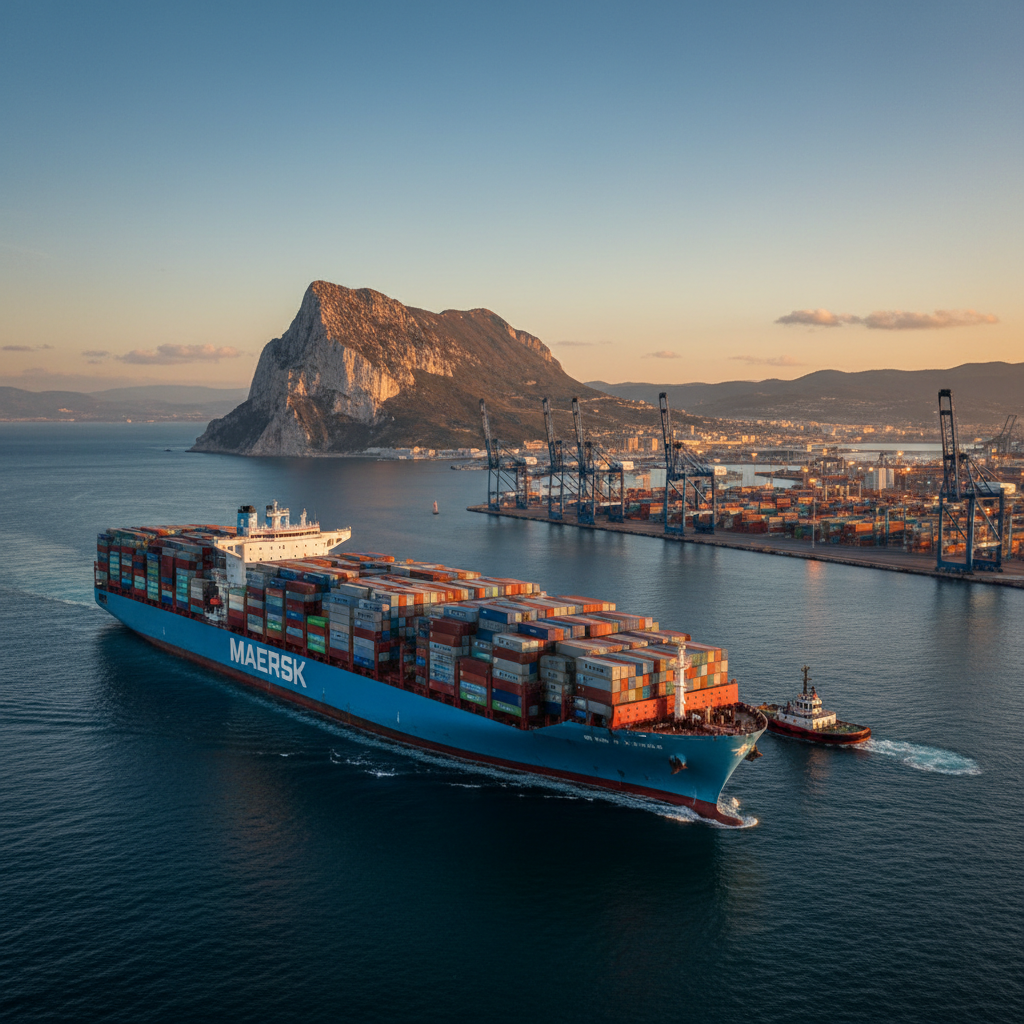
Carriers are increasingly compelled to make significant network alterations due to the direct and indirect impacts of geopolitical events. These events manifest as tangible disruptions: airspace closures force rerouting of air cargo, maritime security concerns (such as those in critical waterways) necessitate longer sea passages, and shifts in trade policies or the imposition of sanctions redefine market viability. For instance, a carrier's decision to launch new services or revise existing ones, like the planned updates to Western Mediterranean–West Africa services taking effect in the third week of December 2026, is often a strategic response to optimize routes, mitigate risks, and capitalize on evolving trade flows shaped by these geopolitical forces. These redesigns aim to circumvent high-risk areas, reduce exposure to political instability, or leverage new trade corridors that emerge from changing international dynamics.
Impact on Routes and Transit Times
The most immediate and visible consequence of geopolitical disruptions is the alteration of established shipping routes and, by extension, transit times. When traditional pathways become unviable or unsafe, carriers must opt for longer, alternative routes. This leads to increased sailing distances, significantly higher fuel consumption, and extended lead times for cargo. The ripple effect is profound: longer transit times mean delayed deliveries, increased inventory holding costs for shippers, and a greater strain on vessel capacity as ships are tied up for longer periods. Schedule reliability, a cornerstone of efficient supply chains, inevitably suffers, creating a cascade of challenges for manufacturers, retailers, and end-consumers alike. These route changes often involve a complex interplay of direct port calls and transshipment strategies, aiming to balance speed, cost, and safety.
Consequences for Port Congestion and Capacity
Network redesigns, while necessary, often redistribute cargo volumes unevenly across port infrastructure. When carriers consolidate services or reroute traffic through new hubs, certain ports can experience sudden surges in activity, leading to increased congestion. This strains port capacity, equipment availability, and labor resources, resulting in longer vessel waiting times, delayed cargo processing, and increased demurrage and detention charges. Conversely, ports that are bypassed or see reduced traffic may face underutilization. The planned expansion of direct connections through hubs like Algeciras and Tangier, for instance, could position them as increasingly critical transshipment points, potentially increasing pressure on their operational capabilities. Managing these shifts requires significant foresight and coordination across the logistics ecosystem to prevent bottlenecks and maintain fluid trade flows.
Tariffs, Sanctions, and Trade Flow Shifts
Tariffs and sanctions are potent geopolitical instruments that directly reshape global trade flows and, consequently, cargo movement. The imposition of tariffs on goods from specific regions can render certain trade lanes economically unfeasible, forcing shippers to seek alternative sourcing markets or production locations. Similarly, sanctions can completely close off markets or necessitate complex compliance procedures, leading to significant rerouting of goods and the establishment of new supply chains. These measures compel carriers to adapt their networks to serve new trade corridors, bypass restricted areas, and navigate intricate customs and regulatory landscapes. Such shifts can lead to the emergence of new regional trade blocs, increased nearshoring or friend-shoring initiatives, and a fundamental re-evaluation of global sourcing strategies, all of which directly influence where and how cargo needs to be moved.
The Role of a Shipment-Visibility Control Tower (MGS)
In this environment of constant flux, a robust shipment-visibility control tower like MGS becomes an indispensable tool for managing risk and maintaining operational resilience. As carriers dynamically reshape their networks, MGS provides real-time, end-to-end visibility into cargo movements, regardless of route changes, transshipment points, or carrier adjustments. This allows shippers to track individual consignments across revised services and extended transit times, anticipate potential delays, and proactively communicate with stakeholders. When a service is revised or a new connection is launched, MGS can immediately reflect these changes, offering updated ETAs and identifying exceptions. This capability is crucial for making rapid, informed decisions, such as adjusting inventory levels, re-planning last-mile logistics, or activating contingency plans, thereby mitigating the financial and reputational impact of geopolitical disruptions on the supply chain.
Conclusion: Navigating the New Normal
The ongoing reshaping of carrier networks, exemplified by strategic adjustments to services connecting regions like the Western Mediterranean and West Africa, underscores a fundamental truth about modern global logistics: agility and adaptability are paramount. Geopolitical events are no longer isolated incidents but persistent forces that demand continuous re-evaluation of routes, capacities, and partnerships. Carriers will continue to make dynamic adjustments to their networks, not as a matter of choice, but as a necessity for survival and efficiency in a volatile world. For shippers, understanding these shifts and leveraging advanced visibility tools like MGS is critical to navigating this 'new normal,' ensuring resilience and maintaining competitive advantage in an increasingly complex global trade landscape.
Source: Container News — https://container-news.com/maersk-reshapes-western-mediterranean-west-africa-network/