
Geopolitical Tides: Navigating Disruption in Global Cargo Movement
The recent arrest of a bulk carrier in Singapore underscores the escalating impact of geopolitical events on global supply chains. From rerouted shipping lanes to complex sanctions, these disruptions demand advanced visibility and agile response strategies to maintain trade flow.
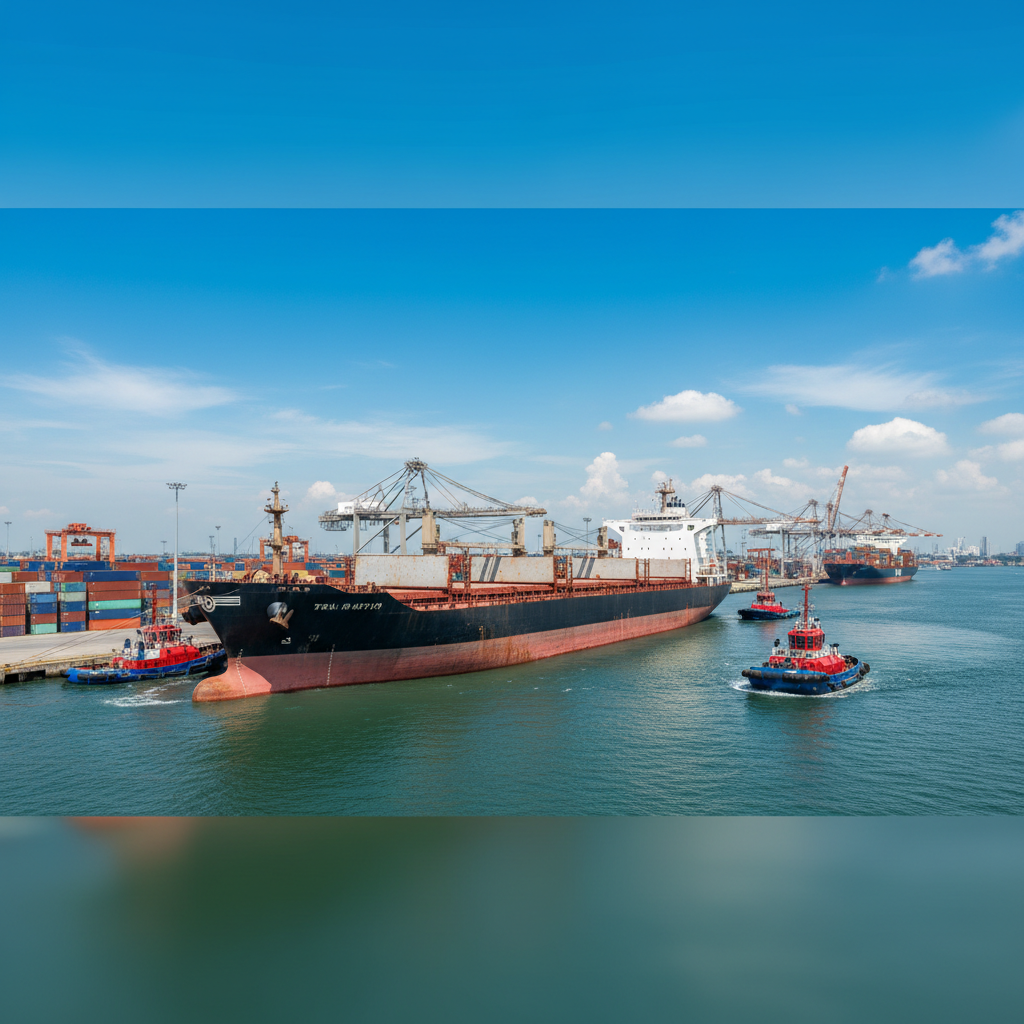
Global supply chains are increasingly susceptible to the ripple effects of geopolitical tensions. What might appear as an isolated incident, such as the arrest of the bulk carrier Traverse Antwerp in Singapore on October 16, 2026, at 2:24 PM local time, serves as a potent reminder of the complex and often unpredictable operational risks facing international trade. While the specific reasons for this particular arrest remain undisclosed, such events are frequently symptomatic of broader geopolitical pressures, ranging from sanctions enforcement to legal disputes stemming from economic instability. These disruptions manifest across various facets of cargo movement, from established routes and vital waterways to airspace access and the enforcement of tariffs and sanctions.
Maritime Chokepoints and Route Volatility
Geopolitical instability directly impacts the viability and safety of traditional shipping routes and critical waterways. Regional conflicts, territorial disputes, or heightened security concerns can render once-efficient paths dangerous or entirely inaccessible. This forces carriers to undertake lengthy and costly detours, increasing transit times, fuel consumption, and insurance premiums. For instance, a vessel's arrest in a major maritime hub like Singapore, a global transshipment nexus, can create cascading delays and uncertainty for subsequent legs of a journey, affecting schedules and inventory levels across multiple supply chains. The need to reroute vessels away from contested areas or through alternative, less efficient channels can strain vessel capacity and drive up freight rates. An MGS shipment-visibility control tower becomes indispensable here, offering real-time tracking and predictive analytics to identify potential route disruptions, assess alternative pathways, and communicate changes proactively to all stakeholders, mitigating the financial and logistical fallout of such volatility.
The Expanding Reach of Sanctions Regimes
The proliferation and dynamic nature of international sanctions regimes represent a significant and growing challenge for global cargo movement. Geopolitical disputes frequently lead to the imposition of financial, trade, or sectoral sanctions targeting specific entities, goods, or regions. A vessel, its owner, or its cargo could inadvertently or knowingly fall afoul of these complex regulations, leading to consequences as severe as asset seizure or, as seen with the Traverse Antwerp, arrest. Navigating this intricate web of compliance requires meticulous due diligence, as even indirect connections to sanctioned parties can trigger severe penalties. This environment forces carriers and shippers to continuously monitor their entire network for compliance risks, impacting vessel flagging, insurance, financing, and port access. The threat of sanctions-related disruption can lead to 'self-sanctioning' by companies seeking to avoid risk, further fragmenting global trade patterns. An MGS platform with integrated compliance screening and risk assessment capabilities is crucial for identifying potential exposure, ensuring adherence to evolving regulations, and preventing costly delays or legal actions.
Tariffs and Shifting Trade Dynamics
While not directly leading to vessel arrests, tariffs are a powerful geopolitical tool that profoundly reshapes global trade flows and, by extension, cargo movement. The imposition of tariffs by one nation on another's goods can alter the economic viability of established trade lanes, prompting companies to seek new sourcing locations or export markets. This shift can lead to increased demand on previously underutilized routes or ports, creating new chokepoints and operational pressures. For example, if tariffs make a certain product prohibitively expensive from one region, manufacturers might pivot to suppliers in another, potentially less efficient, part of the world. This necessitates new shipping arrangements, potentially longer transit times, and different logistical considerations. Such shifts can indirectly increase the risk of operational issues, as supply chains adapt to new geographies and regulatory environments. Understanding these evolving trade dynamics is vital for optimizing logistics networks and ensuring resilience against tariff-induced disruptions.
Intermodal Pressure: Airspace and Beyond
Geopolitical events impacting maritime routes or port operations often have a cascading effect on other modes of transport, particularly air freight. When sea lanes become risky, congested, or subject to delays, shippers frequently turn to air cargo for high-value or time-sensitive goods, placing increased pressure on global airspace capacity. Restrictions on airspace, whether due to military conflicts, security concerns, or retaliatory measures, can further complicate air cargo operations, leading to longer flight paths, higher fuel consumption, and increased costs. The interconnectedness of global logistics means that a disruption in one mode quickly translates into challenges for others. This highlights the need for a holistic view of the supply chain, where disruptions in one area can be anticipated to impact others. An MGS control tower provides this comprehensive, multimodal visibility, allowing businesses to adapt their strategies across air, sea, and land to maintain continuity amidst geopolitical turbulence.
The Imperative of Supply Chain Visibility
The arrest of a bulk carrier like the Traverse Antwerp is a stark reminder that geopolitical risks are not abstract concepts but tangible threats to operational continuity. In an environment characterized by unpredictable shifts in trade policy, evolving sanctions, and regional instability, proactive supply chain management is paramount. Businesses must move beyond reactive problem-solving to embrace predictive intelligence and real-time visibility. An MGS shipment-visibility control tower offers the critical capabilities needed to navigate this complex landscape: providing end-to-end transparency, identifying potential disruptions before they escalate, facilitating rapid rerouting decisions, ensuring compliance with dynamic regulations, and ultimately safeguarding cargo movement against the multifaceted impacts of geopolitical events.