
Navigating the Tempest: How Weather Disrupts Global Cargo Flows and the Role of Visibility
Weather is an increasingly potent disruptor to global supply chains, impacting critical lanes, facilities, and modes. This brief explores how climate volatility affects cargo movement, particularly in sensitive regions like the Black Sea, and outlines proactive strategies shippers can adopt, leveraging advanced visibility platforms like MGS to build resilience.
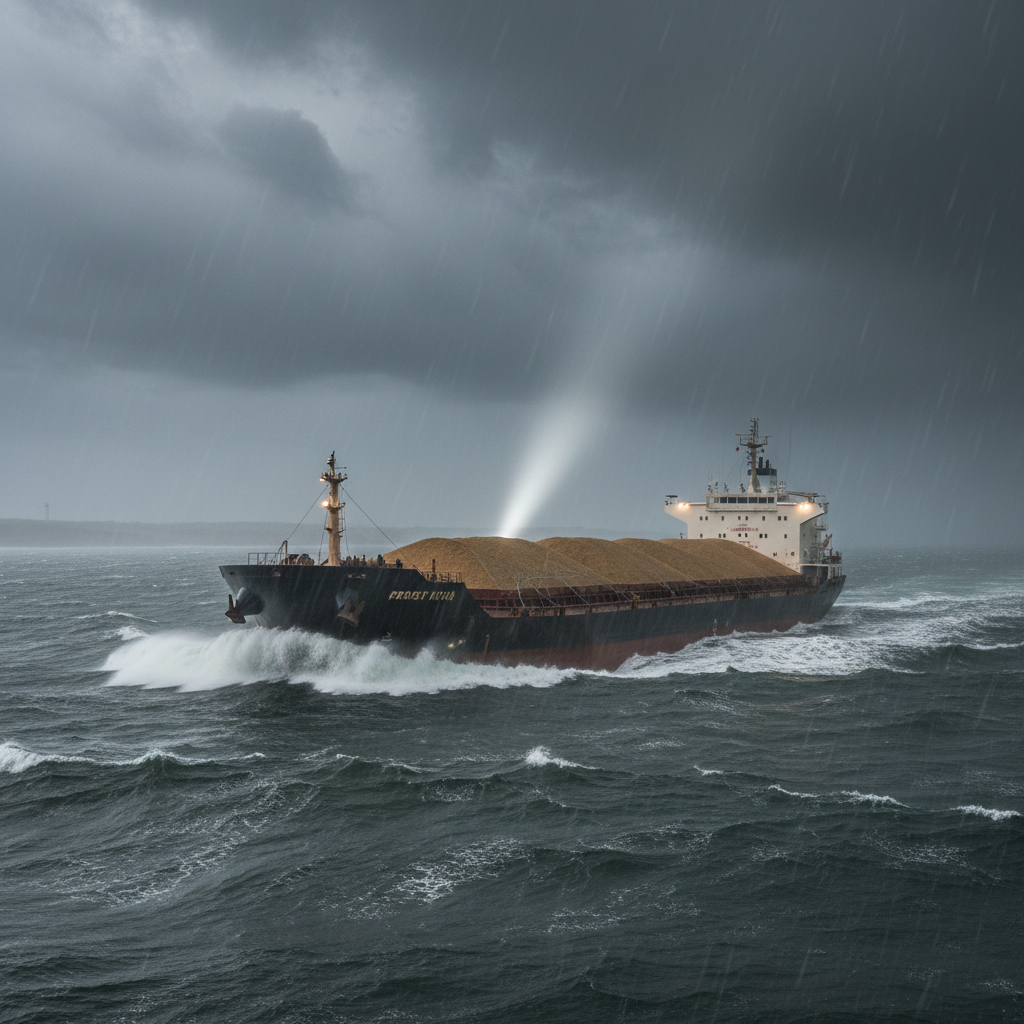
The Unpredictable Element: Weather's Impact on Global Supply Chains
In the intricate web of global commerce, supply chains are constantly battling a myriad of disruptions, from geopolitical shifts to economic downturns. Yet, one of the most persistent and increasingly volatile threats is often overlooked: weather. Climate change has amplified the frequency and intensity of extreme weather events, transforming what were once seasonal inconveniences into significant operational hurdles. From blinding fog and fierce storms at sea to crippling blizzards and scorching heatwaves inland, meteorological phenomena are no longer just an inconvenience; they are powerful forces capable of delaying shipments, damaging infrastructure, escalating costs, and ultimately eroding supply chain reliability. For MGS supply-chain analysts, understanding and mitigating these weather-induced risks is paramount to ensuring the smooth flow of goods and maintaining operational integrity for our clients.
Navigating the Storm: Weather Challenges in the Black Sea and Sea of Azov
The Black Sea and the adjacent Sea of Azov represent a vital artery for global trade, particularly for agricultural commodities like grain. This region's strategic importance means any disruption here reverberates across international markets. While geopolitical factors often dominate discussions regarding the Black Sea's pivotal role in global grain supply, with estimates suggesting Russia alone could quickly reactivate up to 80% of its grain terminal capacity in the Black Sea and Sea of Azov under stable conditions, the inherent volatility of weather presents a constant, underlying threat to this critical infrastructure. The region experiences a range of challenging weather conditions that directly impede maritime operations. Winters can bring severe storms, heavy snowfall, and significant ice formation, particularly in the shallower Sea of Azov and the northern Black Sea, which can render ports inaccessible and shipping lanes impassable. Throughout the year, dense fog can drastically reduce visibility, leading to vessel delays and increased collision risks. Strong winds and high seas are common, forcing ships to slow down, reroute, or even seek shelter, all of which add unforeseen transit times and fuel consumption. These natural elements, independent of human conflict, pose a continuous and unpredictable challenge to the region's shipping capacity, making robust planning and real-time awareness indispensable.
Affected Lanes, Facilities, and Modes
Weather's disruptive influence is felt across all facets of the supply chain, affecting specific lanes, critical facilities, and various modes of transport:
Lanes: Maritime shipping lanes are the most directly exposed. In the Black Sea, the narrow Bosphorus Strait, a critical chokepoint, can be subject to closures or restrictions due to fog, strong currents, or high winds, causing significant backlogs. Similarly, the Kerch Strait, connecting the Sea of Azov to the Black Sea, is highly susceptible to ice formation in winter, effectively halting traffic. Open sea routes, while less constrained by geography, are vulnerable to major storm systems that necessitate rerouting, adding days to transit times and increasing fuel costs. These diversions strain vessel schedules and can lead to a domino effect of delays at subsequent ports.
Facilities: Port terminals, especially those handling bulk commodities like grain, are highly sensitive to weather conditions. High winds can prevent the safe operation of cranes, halting loading and unloading processes. Heavy rainfall can compromise the quality of certain goods if exposed, and can also slow down yard operations, leading to congestion. Ice accumulation can damage dock infrastructure and make berthing impossible. Extreme temperatures, whether freezing or scorching, can impact equipment performance and worker safety, further reducing operational efficiency. For grain terminals, specifically, proper storage and handling are crucial, and adverse weather can complicate these processes, potentially leading to spoilage or contamination.
Modes: While maritime transport bears the brunt, other modes are also significantly affected:
- Maritime: As detailed, vessels face direct impacts from storms, fog, and ice, leading to delays, rerouting, and increased safety risks. Reduced visibility and hazardous sea states force slower speeds or complete stoppages.
- Inland (Rail and Road): The land-based networks that feed cargo to and from ports are not immune. Heavy snowfalls can block rail lines and roads, delaying cargo delivery to terminals or preventing onward distribution. Flooding can wash out infrastructure or render routes impassable. Extreme heat can cause railway tracks to buckle or impose speed restrictions, impacting schedules. These inland delays directly cascade to port operations, creating bottlenecks and exacerbating overall supply chain disruptions.
Proactive Strategies for Shippers in a Volatile Climate
In an era of increasing climate volatility, shippers must move beyond reactive measures and adopt proactive strategies to mitigate weather-related disruptions. A robust approach begins with comprehensive risk assessment, integrating historical weather data with current forecasts to identify vulnerable lanes and facilities. Diversification, where feasible, can offer alternative routes or modes, although for bulk commodities like grain from specific regions, options may be limited. Maintaining strategic buffer stocks can absorb minor delays without immediately impacting production or customer delivery schedules. Crucially, fostering transparent and real-time communication channels with carriers, port authorities, and logistics partners is essential to adapt quickly to changing conditions. However, the most impactful strategy involves leveraging advanced technological solutions that provide unparalleled visibility and predictive capabilities.
The MGS Advantage: Enhancing Resilience Through Visibility
This is where an MGS shipment-visibility control tower becomes an indispensable asset. Our platform empowers shippers to transform their approach to weather-related risks by providing:
- Real-time Situational Awareness: An MGS control tower offers a live, comprehensive view of all shipments, including vessel positions, port congestion, and, critically, overlayed real-time weather patterns and forecasts. This immediate insight allows shippers to see exactly where their cargo is and what meteorological conditions it is encountering or is expected to encounter.
- Predictive Analytics and Early Warning: By integrating advanced weather intelligence, the MGS platform can move beyond simply reporting current conditions. It uses predictive analytics to forecast potential delays due to impending storms, fog banks, or ice formation. Shippers receive early warnings, enabling them to anticipate disruptions days in advance rather than reacting to them as they occur.
- Proactive Decision-Making: With this foresight, shippers can make informed, proactive decisions. The MGS control tower can suggest alternative routes, advise on rescheduling vessel departures or arrivals, or recommend adjusting inland transport plans to avoid affected areas. This capability minimizes the impact of delays, reduces costs associated with demurrage or expedited shipping, and maintains delivery commitments.
- Enhanced Collaboration and Communication: The platform serves as a single source of truth, facilitating seamless information sharing among all stakeholders—carriers, ports, customs, and internal teams. This unified view ensures everyone is working with the same up-to-date information, streamlining communication during critical weather events.
- Optimized Inventory Management: By understanding potential arrival delays, shippers can better manage their inventory, preventing stockouts or overstock situations. This is particularly vital for time-sensitive or high-value cargo.
For critical lanes like the Black Sea, where geopolitical tensions and natural elements constantly threaten stability, an MGS control tower becomes an indispensable tool. It transforms uncertainty into actionable intelligence, allowing shippers to navigate the tempestuous waters of global trade with greater confidence and resilience.
In an increasingly unpredictable world, the ability to foresee and adapt to weather disruptions is no longer a luxury but a necessity. MGS equips shippers with the visibility and intelligence needed to not just survive, but thrive, amidst climate volatility.
Source: gCaptain — https://gcaptain.com/russia-can-restart-80-of-black-sea-grain-export-if-attacks-stop/