
Weathering the Storm: Navigating Supply Chain Disruptions in an Unpredictable Climate
Unpredictable weather patterns are increasingly challenging global supply chains, impacting critical lanes, facilities, and transportation modes. This MGS Insight brief examines the multifaceted disruptions caused by climate volatility and outlines actionable strategies for shippers to enhance resilience and maintain visibility.
The Escalating Impact of Climate Volatility on Supply Chains
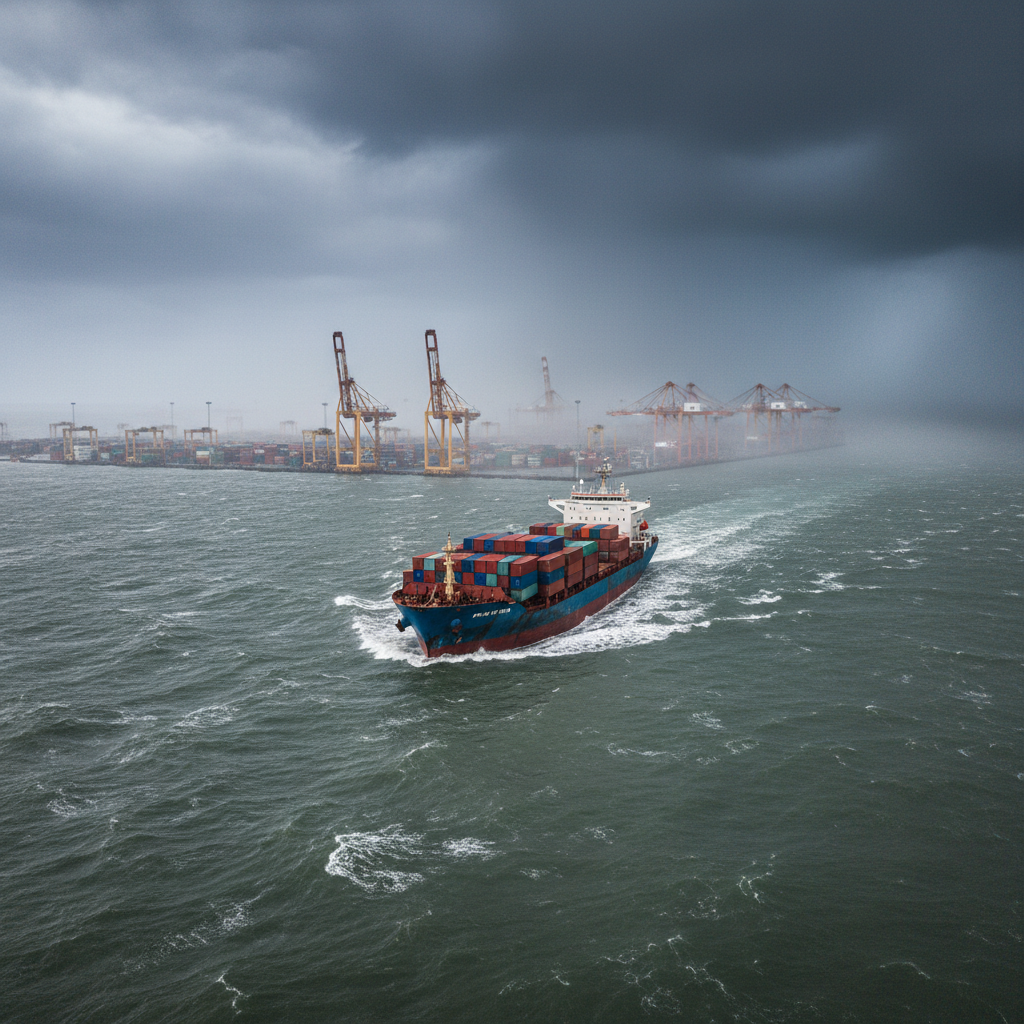
Global supply chains are operating within an increasingly volatile climatic landscape. The frequency and intensity of extreme weather events—from severe storms and prolonged droughts to unprecedented heatwaves and heavy snowfall—are on an upward trend, presenting formidable challenges to the seamless movement of goods. These phenomena are no longer isolated incidents but recurring disruptions that create ripple effects across entire logistics networks, impacting everything from raw material sourcing to final mile delivery. For supply chain professionals, understanding these evolving weather risks and their potential consequences is paramount to maintaining operational continuity and competitive advantage. The unpredictability demands a shift from reactive problem-solving to proactive risk management, integrating weather intelligence into every facet of logistics planning and execution.
Maritime Lanes Under Pressure
Ocean freight, the backbone of international trade, is particularly susceptible to the whims of weather. Major maritime lanes across the globe, including trans-Pacific, trans-Atlantic routes, and approaches to critical chokepoints like the Suez and Panama Canals, frequently face disruptions. Hurricanes, typhoons, and severe cyclonic storms necessitate vessel diversions, leading to extended transit times and increased fuel consumption. Dense fog can bring shipping to a standstill in busy coastal areas and narrow passages, while ice formation in colder regions can close ports or require icebreaker assistance, significantly slowing down operations. These conditions not only delay shipments but also pose safety risks to crew and cargo, often resulting in higher insurance premiums and potential cargo damage. The cumulative effect is a bottleneck at sea, translating into schedule unreliability and increased costs for shippers.
Vulnerabilities in Port and Inland Facilities
Weather's impact extends far beyond the open sea, directly affecting the critical nodes of the supply chain: ports and inland facilities. High winds can force port closures, preventing vessels from docking or cranes from operating safely. Heavy rainfall and storm surges lead to widespread flooding, inundating container yards, damaging equipment, and disrupting access roads. This can bring cargo handling to a complete halt, leading to significant backlogs and congestion once operations resume. Inland, warehouses and distribution centers are vulnerable to extreme temperatures, which can affect temperature-sensitive goods or strain HVAC systems. Heavy snowfall or ice storms can block access to facilities, prevent trucks from moving, and even cause structural damage to buildings. Power outages, a common consequence of severe weather, can cripple automated systems, lighting, and communication networks, further exacerbating delays and operational inefficiencies across the entire logistics footprint.
Multi-Modal Disruptions: A Cascade Effect
Weather-induced disruptions rarely affect a single mode of transport in isolation; instead, they trigger a cascade of challenges across the entire multi-modal network.
- Ocean: As discussed, vessel delays and rerouting set off a chain reaction, delaying cargo arrival at ports.
- Rail: Tracks can be washed out by floods or buried under landslides, while extreme heat can cause rails to buckle, necessitating speed restrictions and leading to significant delays. Winter storms can freeze switches and disrupt power for electrified lines.
- Road: Trucking operations are severely hampered by road closures, reduced visibility due to fog or heavy rain, and hazardous driving conditions from ice or snow. Infrastructure damage, such as flooded roads or compromised bridges, can completely cut off key routes.
- Air: Airports face closures due to high winds, heavy snow, or ice, leading to widespread flight cancellations and cargo backlogs. Ground handling operations are also significantly slowed or halted during adverse weather, impacting the efficient loading and unloading of air freight.
This interconnectedness means a disruption in one mode quickly propagates to others, creating bottlenecks at intermodal transfer points and extending delivery lead times across the entire supply chain.
Proactive Strategies for Shipper Resilience
In the face of increasing weather volatility, shippers must adopt proactive strategies to build resilience into their supply chains:
- Diversification of Routes and Modes: Relying on a single shipping lane or transportation mode increases vulnerability. Shippers should explore and pre-qualify alternative routes, ports of entry, and multi-modal options to pivot quickly when primary paths are compromised.
- Contingency Planning and Scenario Mapping: Develop detailed contingency plans for various weather scenarios. This includes identifying alternative warehousing locations, pre-arranging backup carriers, and establishing clear communication protocols for rapid response during disruptions.
- Strategic Inventory Positioning: While not always feasible, strategically positioning safety stock or critical components in multiple, geographically diverse locations can buffer against localized weather impacts, ensuring continuity of supply.
- Enhanced Collaboration and Communication: Foster strong relationships with carriers, 3PLs, and port authorities. Open lines of communication enable faster information sharing about impending weather events and potential impacts, allowing for more agile decision-making.
- Continuous Risk Assessment: Implement ongoing processes to monitor weather patterns and assess their potential impact on key supply chain nodes, from sourcing regions to distribution hubs. This involves leveraging meteorological data and predictive analytics to anticipate rather than just react.
The MGS Advantage: Real-time Visibility and Predictive Analytics
This is where a robust shipment-visibility control tower like MGS becomes an indispensable asset. MGS empowers shippers to move beyond reactive measures by providing a comprehensive, real-time view of their entire supply chain, integrated with critical weather intelligence:
- Real-time Tracking and Monitoring: MGS offers granular, up-to-the-minute tracking of shipments across all modes, providing precise location data crucial during disruptions. This allows shippers to know exactly where their cargo is relative to developing weather events.
- Predictive Insights and Alerts: By integrating live weather data and forecasts with shipment trajectories, MGS can generate predictive alerts for potential delays or disruptions. This foresight enables shippers to anticipate problems before they materialize, such as a vessel heading into a storm or a truck route facing heavy snow.
- Proactive Decision-Making: Armed with predictive insights, shippers can make informed, proactive decisions. This includes initiating rerouting of vessels or trucks, rescheduling deliveries, or diverting cargo to less affected facilities. The ability to model different scenarios within the MGS platform allows for optimal decision selection.
- Centralized Data for Risk Management: MGS consolidates all supply chain data into a single platform, offering a holistic view of operations. This centralized data is vital for comprehensive risk assessment, performance analysis, and making strategic adjustments to enhance overall supply chain resilience against weather volatility.
- Enhanced Communication and Collaboration: During disruptions, clear and timely communication is paramount. MGS facilitates seamless information flow among all stakeholders—shippers, carriers, 3PLs, and customers—ensuring everyone is informed and aligned on revised plans, minimizing confusion and mitigating customer impact.
In an era where climate volatility is the new normal, leveraging advanced visibility and predictive analytics tools is no longer a luxury but a necessity for building a resilient, agile, and future-proof supply chain.
Source: Marine Insight — https://www.marineinsight.com/us-and-iran-explore-phased-deal-to-reopen-strait-of-hormuz-and-lift-us-blockade-of-iran/?utm_source=rss&utm_medium=rss&utm_campaign=us-and-iran-explore-phased-deal-to-reopen-strait-of-hormuz-and-lift-us-blockade-of-iran