
Navigating the Storm: Weather's Unrelenting Impact on Global Cargo Movement
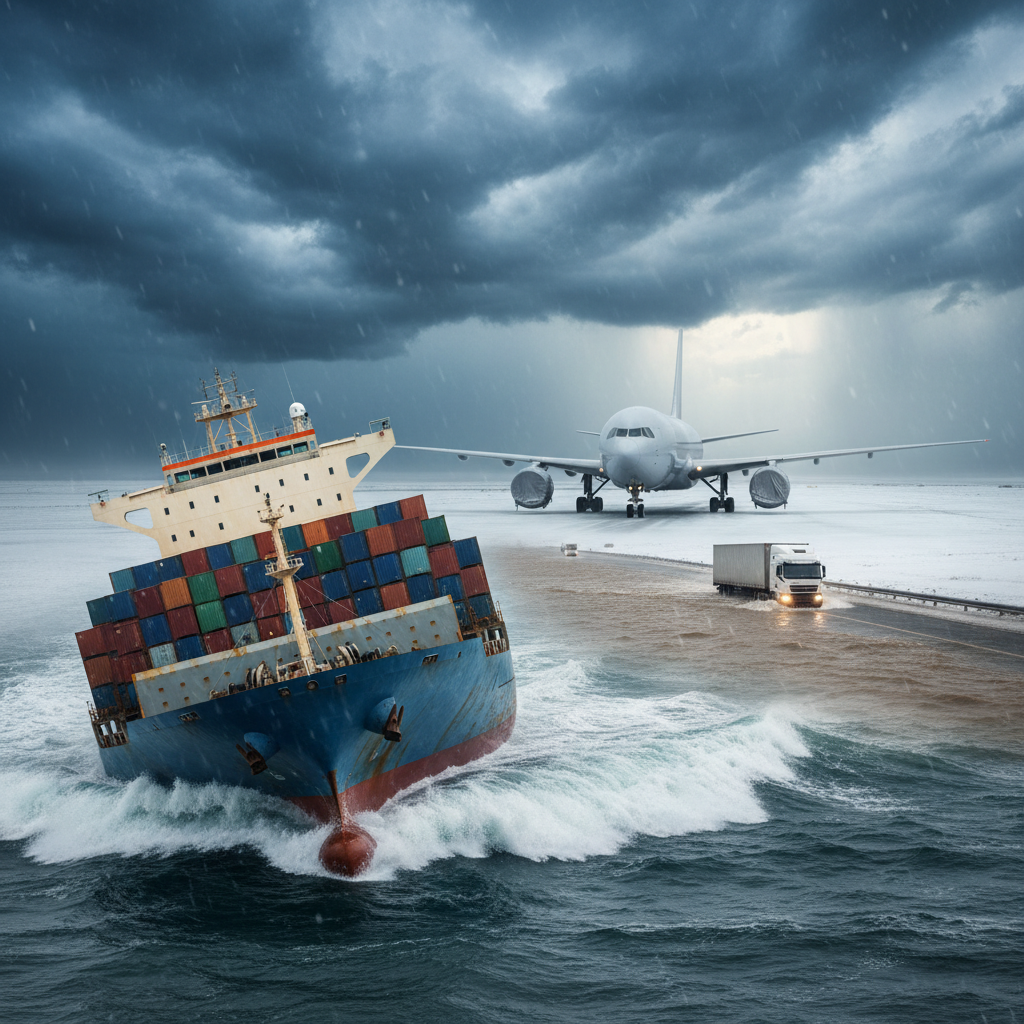
Weather phenomena are increasingly challenging the predictability and efficiency of global supply chains. This brief examines how various modes of transport, key facilities, and critical lanes are being affected, and outlines proactive strategies shippers can adopt to mitigate these disruptions.
Introduction
The global supply chain, a complex web of interconnected lanes, facilities, and modes, is perpetually vulnerable to a myriad of external forces. Among the most persistent and unpredictable of these is weather. From extreme heatwaves and droughts to torrential downpours, blizzards, and powerful storms, meteorological events are no longer isolated incidents but rather a recurring factor demanding strategic foresight from supply chain professionals. The ripple effects of adverse weather extend far beyond immediate delays, impacting everything from transit times and freight costs to inventory management and customer satisfaction. Understanding these multifaceted impacts and developing robust mitigation strategies is paramount for maintaining resilient and agile logistics operations in an increasingly volatile climate.
Impact on Ocean Freight
Ocean freight, the backbone of international trade, is particularly susceptible to weather's wrath. Major storms, including hurricanes, typhoons, and severe gales, can force vessels to alter course, slow down, or even seek shelter, significantly extending transit times. Port operations can grind to a halt due to high winds, heavy seas, or flooding, leading to closures that create substantial backlogs of ships waiting to berth. Dense fog can also severely restrict visibility, causing delays in port entry and navigation in busy shipping lanes. These conditions not only delay cargo but can also increase fuel consumption, elevate the risk of damage to containers or goods, and necessitate complex re-routing decisions. Choke points like canals become especially vulnerable, as any weather-induced disruption can create bottlenecks that reverberate across global trade routes.
Impact on Air Cargo
Air cargo, often chosen for its speed and reliability, is not immune to weather-related disruptions. Blizzards, heavy thunderstorms, dense fog, and strong crosswinds can lead to widespread flight cancellations, diversions, and significant ground delays. Airports may temporarily close runways or operate with reduced capacity, impacting the loading and unloading of cargo. For time-sensitive shipments, such as pharmaceuticals, electronics, or perishable goods, these delays can have severe consequences, potentially leading to spoilage, obsolescence, or missed delivery windows. The cascading effect of a single major airport closure can disrupt intricate global air cargo networks, causing freight to be stranded or rerouted through less efficient pathways.
Impact on Rail Operations
Rail transport, a vital component for moving bulk goods and intermodal containers over long distances, faces its own set of weather-induced challenges. Heavy snowfall and ice can freeze switches, reduce traction, and necessitate slower speeds, leading to delays and even track closures. Flooding can submerge tracks, undermine rail beds, and wash out bridges, rendering entire sections of a network impassable. Conversely, extreme heat can cause rail tracks to buckle, forcing railroads to implement speed restrictions to prevent derailments. High winds can also pose a threat, particularly to empty or lightly loaded container cars, increasing the risk of toppling. Power outages caused by storms can further complicate operations, affecting signaling systems and electric locomotives.
Impact on Road Transport
Road transport, the final mile and often the most flexible link in the supply chain, is extensively exposed to weather's direct effects. Heavy snow and ice make roads treacherous, leading to closures, reduced speed limits, and increased accident risks. Torrential rain can cause flash floods, make roads impassable, and severely reduce visibility for drivers. High winds can make driving high-profile vehicles, such as semi-trucks, extremely dangerous, particularly on bridges or open highways. Extreme heat can lead to tire blowouts, engine overheating, and driver fatigue, impacting delivery schedules and driver safety. These conditions directly translate into delayed deliveries, increased operational costs, and potential damage to goods.
Affected Regions and Lanes
Weather disruptions are geographically diverse. Tropical storm belts, encompassing regions like the Caribbean, the Gulf of Mexico, Southeast Asia, and the Indian Ocean, regularly experience hurricanes and typhoons that directly impact major shipping lanes and port cities. Winter storm regions across North America, Europe, and East Asia frequently contend with blizzards and ice storms that paralyze ground and air transport. Monsoon seasons in South Asia and parts of Africa bring torrential rains and flooding, disrupting local and regional supply chains. Additionally, areas prone to extreme heat, drought, or wildfires face unique challenges impacting infrastructure and operational safety. Key maritime routes, major transcontinental rail networks, and critical highway corridors are all vulnerable to these localized yet globally impactful events.
Affected Facilities
Beyond the modes of transport themselves, crucial supply chain facilities are also at risk. Ports are vulnerable to storm surges, high winds damaging cranes and infrastructure, and flooding in container yards. Airports can suffer from runway closures, damage to cargo terminals, and power outages. Rail yards can become congested or inaccessible due to track blockages or flooding. Distribution centers and warehouses, particularly those in flood plains or coastal areas, face risks of structural damage, power loss, and access issues for incoming and outgoing shipments. The operational integrity of these facilities is critical; any disruption can create bottlenecks and cascade delays throughout the entire network.
Shipper Strategies and Mitigation
Proactive strategies are essential for shippers to build resilience against weather-related disruptions.
- Enhanced Visibility: A shipment-visibility control tower, like the MGS platform, is indispensable. It provides real-time tracking of goods across all modes, offering predictive analytics to anticipate potential weather impacts on routes and estimated times of arrival. This allows shippers to receive early alerts about impending disruptions, enabling rapid decision-making and proactive adjustments.
- Diversification of Modes and Lanes: Relying on a single mode or lane increases vulnerability. Shippers should explore multi-modal strategies and identify alternative routes or carriers for critical shipments. For instance, if ocean freight is delayed, having pre-arranged air cargo options can be a lifesaver for time-sensitive goods.
- Strategic Inventory Buffers: While lean inventory is often desired, strategic safety stock for critical components or finished goods in key locations can help absorb short-term weather-induced delays without halting production or disappointing customers.
- Contingency Planning: Developing comprehensive contingency plans, including pre-identified alternative ports, airports, rail hubs, and trucking routes, is crucial. These plans should be regularly reviewed and tested.
- Collaboration and Communication: Strong relationships with logistics partners, carriers, and suppliers are vital. Open communication channels ensure that all parties are informed of potential disruptions and can coordinate efforts to mitigate impacts.
- Data-Driven Decision Making: Leveraging the data and insights provided by an MGS platform allows shippers to analyze historical weather patterns against transit performance, identify recurring vulnerabilities, and make more informed, data-backed decisions about route selection, carrier choice, and inventory placement.
Conclusion
Weather's influence on global cargo movement is a growing concern, characterized by its unpredictability and widespread impact. From ocean vessels battling storms to trucks navigating flooded roads, every segment of the supply chain is exposed. The ability to anticipate, react, and adapt to these challenges is a defining characteristic of a resilient supply chain. By embracing advanced shipment visibility platforms, diversifying logistics strategies, and fostering strong collaborative partnerships, shippers can better navigate the complexities of weather-induced disruptions, ensuring continuity and maintaining competitive advantage in a dynamic global marketplace.