
Navigating the Storm: Weather's Unpredictable Impact on Global Cargo Movement
Unforeseen weather events are increasingly challenging global supply chains, mirroring the systemic shocks seen in geopolitical crises. This brief examines how atmospheric conditions disrupt critical logistics, affecting key lanes, facilities, and modes, and outlines strategic responses for shippers.
Introduction: The Unpredictable Force of Nature
Global supply chains, inherently complex and interconnected, are constantly vulnerable to a myriad of disruptions. While geopolitical flashpoints, such as the ongoing crisis in the Strait of Hormuz following Operation Epic Fury, vividly illustrate how non-weather events can severely impede cargo flow and necessitate urgent rerouting, the insidious and often unpredictable force of weather poses an equally significant, if not more frequent, threat. From localized storms to widespread atmospheric phenomena, weather events are a persistent challenge, impacting everything from raw material sourcing to final mile delivery. Understanding these impacts and developing resilient strategies is paramount for maintaining continuity in a volatile global trade environment.
Affected Lanes: Navigating Nature's Obstacles
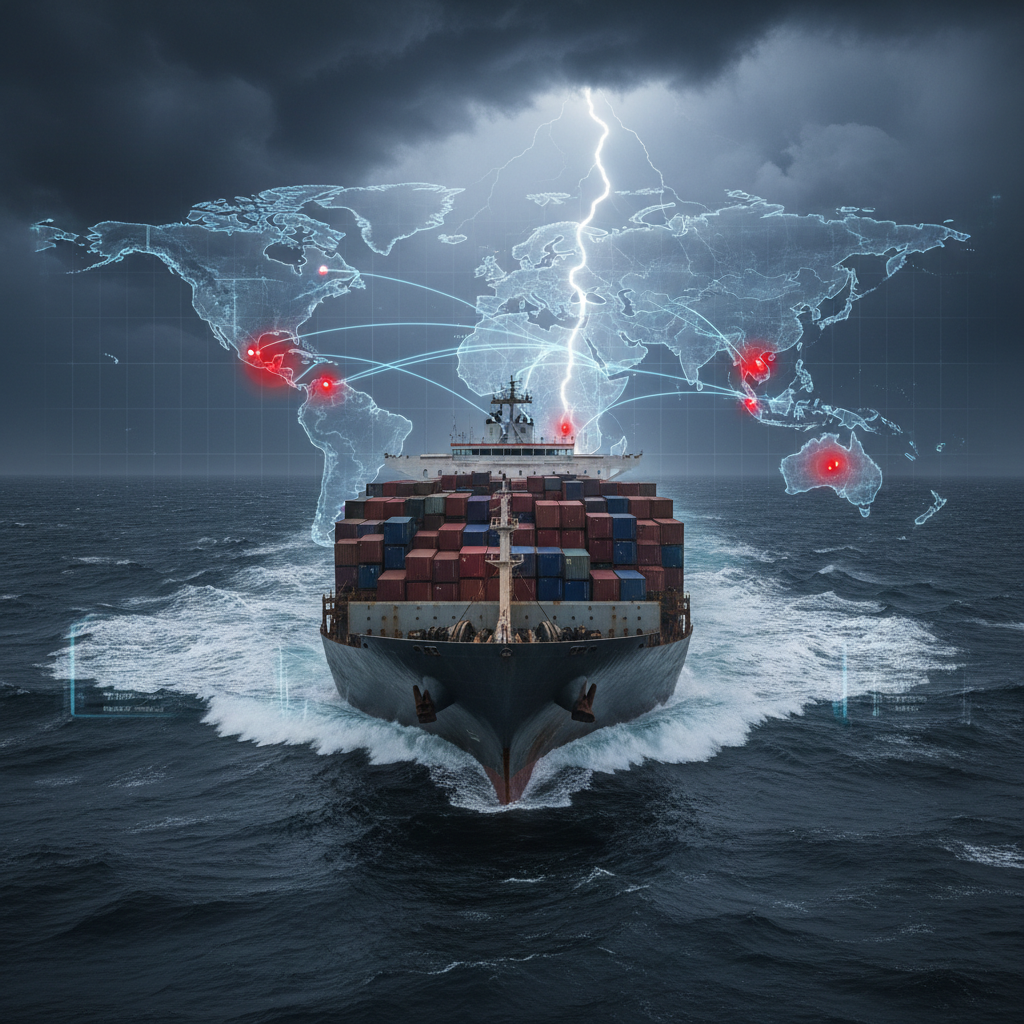
Weather phenomena directly impede cargo movement across all major transportation lanes, forcing deviations, delays, and sometimes complete halts. Maritime shipping, the backbone of global trade, is particularly susceptible. Major ocean routes can be rendered impassable or significantly delayed by severe storms, hurricanes, typhoons, and dense fog. For instance, critical choke points and coastal approaches often experience reduced visibility or dangerous sea states, leading to vessel speed restrictions or port closures. Arctic and sub-Arctic lanes, while offering potential shortcuts, are subject to extreme ice conditions for much of the year, demanding specialized vessels and careful navigation.
In air cargo, flight paths are routinely altered or canceled due to thunderstorms, blizzards, volcanic ash clouds, or high winds. These diversions not only add to fuel costs and transit times but can also lead to significant congestion at alternate airports. Terrestrial lanes are no less affected; heavy snowfall can close mountain passes, torrential rains can cause flooding that submerges roads and rail lines, and extreme heat can warp railway tracks, necessitating speed restrictions. Riverine transport, vital in many inland regions, can be halted by low water levels during droughts or by high water and strong currents during flood events, directly impacting barge movements and intermodal connections.
Affected Facilities: The Ground Zero of Disruption
Transportation facilities – the crucial nodes in any supply chain – bear the brunt of weather's impact. Ports, for example, are frequently forced to cease operations during high winds, heavy seas, or hurricane warnings, leading to vessel backlogs and significant dwell time for cargo. Cranes cannot operate safely, and pilot services may be suspended. Post-storm, debris and damage to infrastructure can further prolong closures and slow recovery efforts.
Airports face similar challenges. Runways can become unusable due to ice, snow, or standing water, leading to flight cancellations and diversions. Ground handling operations are often suspended during severe weather, causing cargo to be stranded on the tarmac or in warehouses. Warehouses and distribution centers, especially those in flood-prone areas or regions susceptible to extreme winds, risk physical damage to structures and inventory, as well as disruptions to inbound and outbound logistics due to impassable access roads. Intermodal yards can experience severe congestion if rail or road connections are severed, creating bottlenecks that ripple through the entire network.
Affected Modes: Cascading Consequences Across Transport
Each mode of transport exhibits unique vulnerabilities to weather, and disruptions in one mode often cascade into others:
- Ocean Freight: Vessels may be forced to reroute around storms, adding days or weeks to transit times. This not only delays delivery but also consumes more fuel and can throw off carefully planned schedules, impacting subsequent port calls and vessel rotations. Container ships might also face challenges with cargo stability in rough seas.
- Air Freight: Beyond flight cancellations and diversions, air cargo can experience significant capacity constraints post-weather event as airlines work to clear backlogs. Perishable goods are particularly at risk from extended delays, and emergency shipments may struggle to find available space.
- Rail Freight: Heavy snow and ice can freeze switches and hinder braking systems, while extreme heat can cause rails to buckle, leading to widespread speed restrictions or line closures. Flooding can wash out track beds, requiring extensive repairs. These issues result in significant delays and can disrupt the flow of bulk commodities and intermodal containers.
- Road Transport: Trucking is highly susceptible to adverse weather. Snow, ice, heavy rain, and fog reduce visibility and make roads hazardous, leading to speed reductions, accidents, and road closures. This directly impacts delivery schedules, especially for time-sensitive goods, and can strand drivers and cargo for extended periods. Fuel efficiency also decreases in challenging conditions.
What Shippers Can Do: Building Resilience in the Face of Nature
Proactive measures are essential for shippers to mitigate the impact of weather-related disruptions. The lessons learned from major geopolitical events, where supply chain agility proved critical, are equally applicable to weather challenges.
- Diversify Routes and Modes: Relying on a single shipping lane or transportation mode increases vulnerability. Shippers should explore alternative routes, ports, and modes (e.g., shifting from ocean to air for urgent cargo, or from rail to road for shorter distances) to maintain flexibility.
- Pre-position Inventory and Buffer Stock: Strategic placement of inventory in multiple locations can help absorb shocks when primary distribution channels are disrupted. Maintaining buffer stock for critical components or finished goods provides a safety net against unexpected delays.
- Enhance Communication and Collaboration: Strong relationships with carriers, logistics providers, and suppliers are vital. Open lines of communication allow for rapid information exchange and collaborative problem-solving during a crisis.
- Develop Robust Contingency Plans: Beyond simple rerouting, comprehensive plans should detail alternative suppliers, production sites, and distribution strategies for various weather scenarios. Regular drills and updates ensure these plans remain effective.
- Leverage Technology for Predictive Insights: Modern supply chain management tools, especially those integrated with weather forecasting, can provide early warnings, allowing for proactive adjustments rather than reactive responses.
The Role of a Shipment-Visibility Control Tower (MGS)
A sophisticated shipment-visibility control tower like MGS is indispensable in navigating weather-induced supply chain disruptions. By providing real-time, end-to-end visibility across all modes and lanes, MGS empowers shippers with the data needed to make informed decisions.
- Real-time Monitoring: MGS platforms track cargo location and status continuously, allowing shippers to identify immediately when a shipment is delayed or rerouted due to weather. This immediate insight is crucial for managing customer expectations and initiating recovery actions.
- Predictive Analytics and Alerts: Integrating advanced weather forecasting data, MGS can issue proactive alerts about potential disruptions along a shipment's planned route. This allows shippers to anticipate problems and adjust schedules or reroute cargo before it becomes stranded.
- Scenario Planning and Optimization: With comprehensive data, MGS enables shippers to model various disruption scenarios. For instance, if a hurricane threatens a key port, the platform can quickly analyze alternative port options, available capacity, and revised transit times, helping to optimize rerouting decisions.
- Performance Measurement and Improvement: Post-event analysis, facilitated by MGS data, helps identify vulnerabilities and improve future resilience strategies. Understanding how different carriers or routes performed under specific weather conditions informs better decision-making.
Conclusion: Building Resilience in a Changing Climate
The increasing frequency and intensity of extreme weather events underscore the critical need for supply chain resilience. While geopolitical tensions, as seen with the Strait of Hormuz, highlight the fragility of global trade, weather presents a constant and evolving threat. By understanding the specific impacts on lanes, facilities, and modes, and by strategically implementing diversification, contingency planning, and advanced visibility technology like MGS, shippers can transform vulnerability into a competitive advantage, ensuring their cargo continues to move, even when the skies turn dark.
Source: The Maritime Executive — https://maritime-executive.com/article/op-ed-in-the-hormuz-crisis-parallels-to-the-suez-crisis-of-1956