
Navigating the Storm: Weather's Unpredictable Impact on Global Cargo Movement
Unpredictable weather patterns are increasingly disrupting global supply chains, affecting critical shipping lanes, port operations, and intermodal transport. This brief explores the multifaceted challenges posed by severe weather and outlines strategic measures shippers can adopt to enhance resilience and maintain visibility in an ever-changing climate.
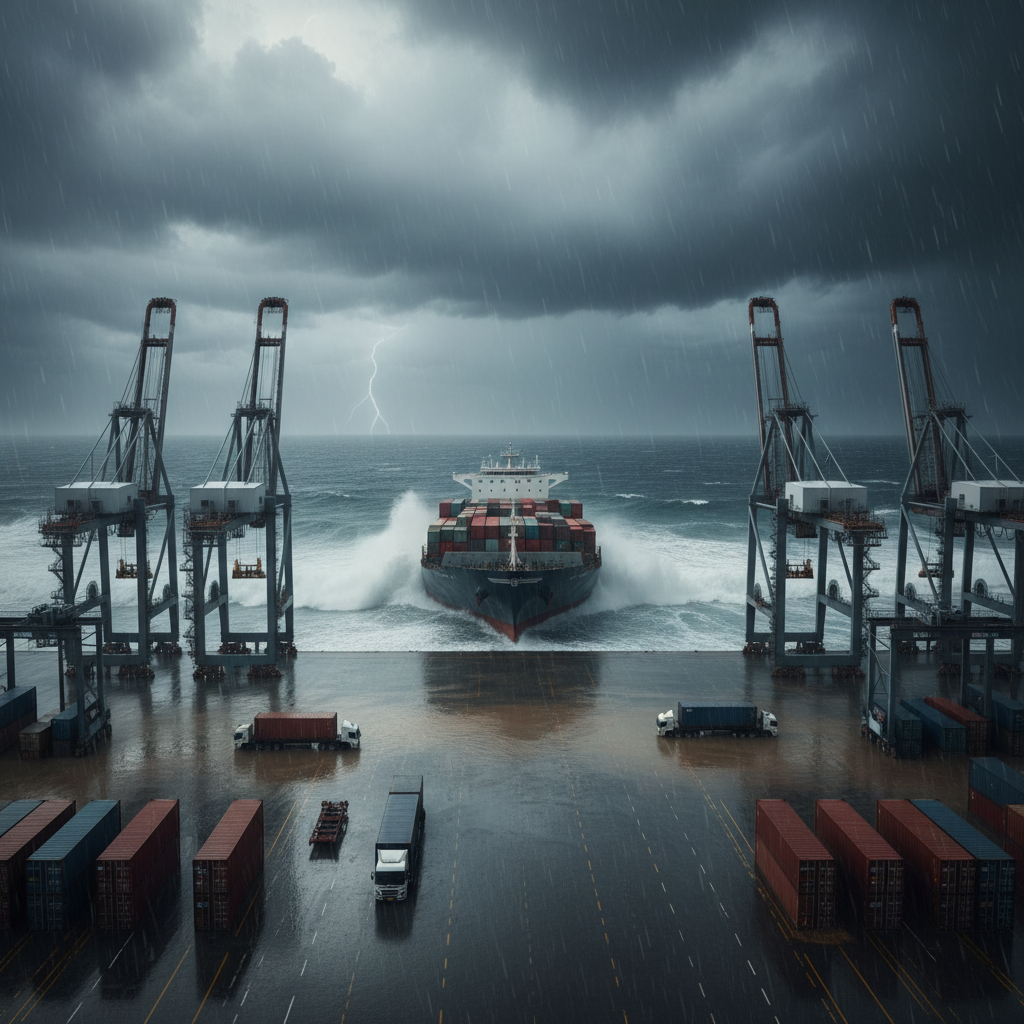
The Pervasive Impact of Weather on Global Supply Chains
Global supply chains, inherently complex and interconnected, are increasingly vulnerable to the volatile forces of nature. From extreme heatwaves to unprecedented storms, weather events are no longer isolated incidents but recurring disruptions that ripple across the entire logistics ecosystem. This presents a significant challenge for shippers striving for predictability and efficiency in cargo movement. The cumulative effect of these events can lead to substantial delays, increased costs, and compromised delivery schedules, underscoring the critical need for proactive strategies and enhanced visibility.
Weather-related disruptions manifest in various forms, impacting different segments of the supply chain with varying intensity. The long-term trend indicates a rise in both the frequency and severity of extreme weather phenomena, necessitating a fundamental shift in how supply chain resilience is conceptualized and implemented. For an MGS supply-chain analyst, understanding these dynamics is paramount to advising clients on mitigating risks and optimizing their logistics networks.
Affected Shipping Lanes and Maritime Routes
Maritime shipping, the backbone of international trade, is particularly susceptible to weather's whims. Major ocean lanes, such as those traversing the Atlantic and Pacific, or critical choke points like the Suez and Panama Canals, frequently face closures or significant slowdowns due to adverse conditions. Hurricanes, typhoons, and severe storms can force vessels to reroute, adding days or even weeks to transit times. Fog, ice, and strong currents in other regions also pose navigational hazards, leading to reduced speeds or temporary halts. These disruptions not only delay cargo but also create a domino effect, causing port congestion at subsequent stops as ships arrive off-schedule.
Furthermore, changing climate patterns are influencing traditional shipping routes. Arctic ice melt, while potentially opening new passages, also introduces new and unpredictable weather challenges, including more frequent and intense storms in previously less-trafficked areas. Shippers must contend with dynamic route planning, often requiring real-time adjustments that demand sophisticated tracking and communication capabilities. The ability to monitor vessel progress and anticipate weather-induced deviations is crucial for maintaining supply chain integrity.
Port and Terminal Operations Under Duress
Ports and terminals, the crucial interfaces between sea and land transport, are often ground zero for weather-related disruptions. High winds can halt crane operations, preventing the loading and unloading of containers. Heavy rainfall can flood storage areas and access roads, impeding truck movements and causing delays in cargo processing. Extreme temperatures, whether scorching heat or freezing conditions, can affect equipment functionality and worker safety, leading to reduced operational capacity.
Coastal ports are also increasingly vulnerable to storm surges and rising sea levels, which can cause physical damage to infrastructure and necessitate prolonged closures for repairs. The ripple effect extends beyond the immediate port area, impacting inland logistics as cargo accumulates, awaiting clearance or onward transport. For shippers, this means potential demurrage charges, storage fees, and the challenge of finding alternative evacuation routes for their goods. A comprehensive shipment-visibility control tower can provide early warnings of port closures or operational slowdowns, allowing shippers to divert cargo or adjust their inland transport plans proactively.
Intermodal and Inland Transport Challenges
Weather's impact is not confined to the maritime domain; it extends deeply into intermodal and inland transport networks. Rail, road, and air cargo are all subject to distinct weather-related vulnerabilities.
Road Transport: Heavy snow, ice, floods, and even extreme heat can render roads impassable or unsafe for truck traffic. Bridge closures, reduced visibility, and speed restrictions directly translate into longer transit times and increased fuel consumption. The availability of drivers can also be affected by hazardous conditions, further exacerbating delays.
Rail Transport: Snow and ice can disrupt rail lines, causing switches to freeze and tracks to become obstructed. Flooding can wash out sections of track, leading to significant detours or complete shutdowns. Extreme heat can cause tracks to buckle, necessitating speed restrictions to prevent derailments. These events can strand entire trains, holding vast quantities of cargo for extended periods.
Air Cargo: High winds, thunderstorms, and heavy snowfall can lead to flight cancellations, diversions, and ground delays at airports. While air freight is often chosen for its speed, adverse weather can quickly erode this advantage, causing bottlenecks at major air hubs and impacting time-sensitive shipments. Air cargo facilities themselves can also be affected by ground-level weather, impacting loading and unloading efficiency.
The interconnectedness of these modes means that a disruption in one can quickly propagate to others. For instance, a port closure due to a hurricane will inevitably lead to a backlog for road and rail transport attempting to move goods in and out of the affected region.
Strategic Responses for Shippers
In the face of escalating weather-related disruptions, shippers must adopt a multi-pronged approach to build resilience and maintain operational continuity:
-
Enhanced Visibility and Real-time Monitoring: This is perhaps the most critical component. A robust shipment-visibility control tower, like MGS, provides real-time tracking of cargo across all modes and geographies. This allows shippers to monitor weather patterns along their routes, receive alerts for potential disruptions, and gain immediate insight into the status and location of their shipments. Such visibility empowers proactive decision-making, rather than reactive crisis management.
-
Diversification of Routes and Modes: Relying on a single shipping lane or mode increases vulnerability. Shippers should explore alternative routes, consider different ports of entry, and be prepared to switch between sea, air, rail, and road when necessary. This requires flexible logistics planning and strong relationships with multiple carriers.
-
Buffer Stock and Inventory Management: While lean supply chains are often prioritized for cost efficiency, a strategic approach to buffer stock can mitigate the impact of weather-induced delays. Holding a small reserve of critical components or finished goods can prevent production stoppages or stockouts during prolonged disruptions.
-
Robust Communication and Collaboration: Effective communication with carriers, logistics partners, and customers is essential. Transparent sharing of information about delays and revised schedules helps manage expectations and allows all stakeholders to adjust their plans accordingly. A control tower facilitates this by providing a single source of truth for shipment data.
-
Data-Driven Risk Assessment and Predictive Analytics: Leveraging historical weather data and predictive analytics can help identify high-risk periods and regions. This allows for pre-positioning of inventory, adjusting shipping schedules, or even implementing preventative measures before a storm hits. An MGS platform can integrate weather data feeds to offer predictive insights into potential delays.
-
Contingency Planning and Emergency Protocols: Developing clear contingency plans for various weather scenarios is vital. This includes identifying alternative transport providers, establishing emergency communication channels, and defining protocols for rerouting or holding cargo. Regular drills and reviews of these plans ensure preparedness.
By embracing these strategies and leveraging advanced visibility tools, shippers can transform weather-related challenges from insurmountable obstacles into manageable risks, ensuring greater resilience and reliability in their global supply chains.
Source: The Maritime Executive — https://maritime-executive.com/article/imo-renews-call-to-stop-attacks-on-seafarers-and-commercial-ships