
Red Sea Under Pressure: Geopolitical Risks Reshape Global Shipping
The Houthi group's expanding influence in the Red Sea presents a significant new challenge to global maritime trade. This brief analyzes how these geopolitical shifts are disrupting critical shipping lanes, impacting key port facilities, and affecting various modes of cargo movement, offering actionable strategies for shippers to navigate this evolving risk landscape.
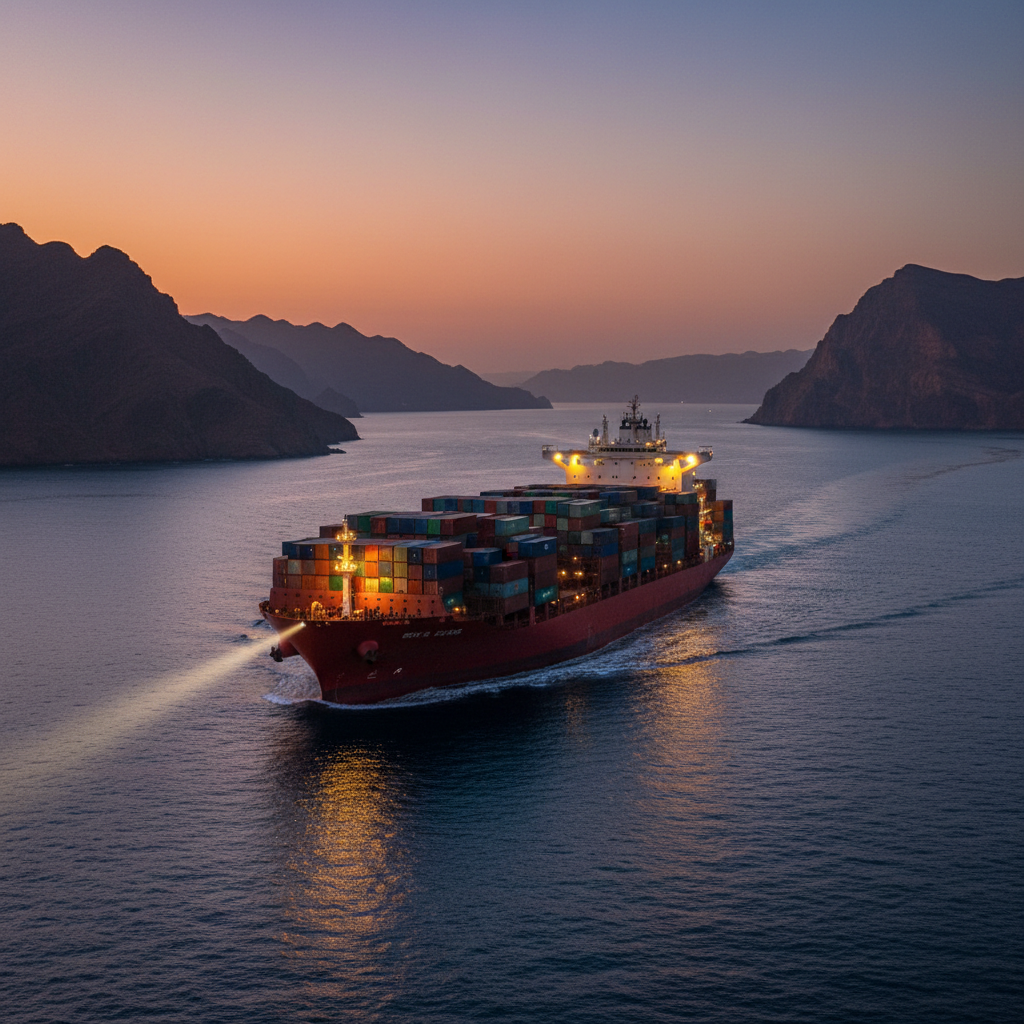
The Red Sea, a vital artery for global commerce, finds itself increasingly at the nexus of geopolitical instability. Connecting the Suez Canal to the Bab el-Mandeb Strait, this waterway is indispensable for maritime traffic flowing between Europe, Asia, and Africa. Recent developments, specifically the Houthi group's expansion of control into parts of this strategic region, introduce a new layer of complexity and risk for the intricate web of global supply chains. This shift is not merely a localized conflict; it represents a direct challenge to the security and predictability of international shipping, demanding immediate attention and strategic adaptation from all stakeholders.
The Houthi presence, particularly their reported takeover of the port of Mo..., signals a tangible assertion of power that can directly influence transit through the Red Sea. For supply chain professionals, understanding the multifaceted impact of such geopolitical leverage is crucial for maintaining operational continuity and mitigating potential disruptions. The implications extend beyond immediate security concerns, touching upon transit times, operational costs, insurance premiums, and the broader reliability of global logistics networks. As an MGS supply-chain analyst, it's imperative to dissect these challenges and outline proactive measures shippers can implement to safeguard their cargo and maintain resilient supply chains.
Affected Lanes
The most immediate and significant impact of the Houthi group's expanded reach is on the Red Sea shipping lane itself. This critical waterway, funneling traffic through the Suez Canal, is a cornerstone of East-West trade. Any perceived or actual threat within this corridor compels shipping lines to re-evaluate their risk exposure. The presence of an armed group with control over coastal areas and potentially a port facility creates a high-risk environment for vessels. This can lead to increased insurance premiums for transiting ships, making the route less economically viable for some carriers. More critically, it raises the specter of direct interference with commercial shipping, including potential interdictions or attacks, which could force vessels to consider alternative, longer routes. The primary alternative, circumnavigating the Cape of Good Hope at the southern tip of Africa, adds thousands of nautical miles and several days to weeks to transit times. This extended journey not only inflates fuel costs and operational expenses but also delays cargo delivery, impacting inventory management and time-sensitive supply chains globally. The ripple effect extends to schedule integrity for global liner services, creating bottlenecks and cascading delays at subsequent ports of call.
Affected Facilities
The source material highlights the Houthi group's takeover of the port of Mo.... While the full extent of this control and its operational implications are still unfolding, the direct control over a maritime facility by an armed group is a profoundly destabilizing development. The port of Mocha, historically significant, provides the Houthi group with a strategic vantage point and potential operational base within the Red Sea. This control could be leveraged for surveillance, interdiction, or even as a staging ground for actions affecting maritime traffic. Beyond Mocha, other regional port facilities, such as those in Yemen (e.g., Hodeidah, Aden), Djibouti, and even major hubs like Jeddah in Saudi Arabia, face indirect impacts. Increased security concerns in the broader Red Sea region could lead to heightened scrutiny, slower processing times, or even temporary closures at these ports. Shippers relying on these facilities for transshipment or direct import/export face uncertainty regarding port access, operational efficiency, and the safety of their cargo and personnel. The perceived risk could also deter carriers from calling at certain ports, leading to reduced service frequency and increased reliance on fewer, potentially overburdened, alternative gateways.
Affected Modes
The primary mode of transport affected by the Red Sea geopolitical situation is, unequivocally, maritime shipping. This encompasses a vast array of vessel types, including container ships, oil tankers, bulk carriers transporting raw materials, and specialized cargo vessels. The threat of disruption directly impacts the movement of goods across these critical sea lanes. For containerized cargo, delays due to rerouting or security measures can throw just-in-time supply chains into disarray, leading to stockouts or excess inventory. For oil and gas tankers, the Red Sea is a crucial conduit, and any instability here can trigger volatility in global energy markets. Bulk carriers transporting commodities like grain or minerals also face similar risks, impacting global commodity prices and availability. While the direct impact is on sea freight, there are significant ripple effects on other modes. Delayed sea shipments can cause backlogs at destination ports, stressing port infrastructure and inland transportation networks (rail, truck) as they scramble to handle surges in cargo once vessels arrive. Air freight, while not directly threatened, might see increased demand for urgent shipments as companies seek to bypass sea delays, leading to higher air cargo rates and capacity constraints. The interconnectedness of global logistics means that a significant disruption in one mode or lane inevitably cascades across the entire multimodal ecosystem.
Shipper Strategies
In the face of escalating geopolitical risks in the Red Sea, shippers must adopt proactive and data-driven strategies to safeguard their supply chains. The first step is a comprehensive risk assessment of current and planned routes, identifying vulnerabilities and potential points of failure. This involves understanding the specific threat landscape and its potential impact on transit times, costs, and cargo security.
Route diversification becomes a critical imperative. While rerouting via the Cape of Good Hope is costly and time-consuming, shippers should have contingency plans in place, actively discussing these options with their carriers. Exploring alternative port calls or even multimodal solutions that combine sea and land routes for certain segments might be necessary for high-value or time-sensitive cargo.
Enhanced communication and collaboration with carriers, freight forwarders, and logistics partners are essential. Shippers need real-time updates on vessel movements, security advisories, and any changes to planned itineraries. This proactive engagement allows for quicker decision-making and better alignment of expectations.
Inventory management adjustments are also vital. Building in slightly higher safety stock levels for critical components or finished goods that transit the Red Sea can provide a buffer against unexpected delays. However, this must be balanced against carrying costs and capital tie-up.
This is where an MGS shipment-visibility control tower proves invaluable. Such a platform offers real-time, end-to-end visibility into cargo movements, providing crucial data for informed decision-making. Shippers can monitor vessel positions through the Red Sea, receive immediate alerts on security incidents or deviations from planned routes, and track revised Estimated Times of Arrival (ETAs) as carriers implement rerouting. An MGS control tower enables scenario planning, allowing shippers to model the impact of different route changes on their supply chain and communicate proactively with downstream partners. By consolidating data from various sources, it facilitates rapid assessment of delays, helps identify alternative transport options, and supports dynamic adjustments to inventory and distribution plans, transforming reactive responses into strategic, proactive management of geopolitical risks.
Conclusion
The evolving geopolitical landscape in the Red Sea, marked by the Houthi group's expanded influence and control over key facilities like the port of Mo..., represents a formidable challenge to the stability of global supply chains. The disruption to vital shipping lanes and the increased risks for maritime operations necessitate a paradigm shift in how shippers approach risk management and operational planning. While the immediate focus is on mitigating the impact of potential delays and cost increases, the broader implication is a heightened need for resilience and adaptability. Leveraging advanced technologies, such as shipment-visibility control towers, is no longer a luxury but a fundamental requirement for navigating these complex and unpredictable waters, ensuring that businesses can continue to deliver on their commitments despite external pressures.
Source: The Maritime Executive — https://maritime-executive.com/article/africa-s-red-sea-states-face-growing-risks-as-houthi-expand-their-reach