
Navigating the Storm: How Weather Reshapes Global Cargo Flows and What Shippers Can Do
Extreme weather events are increasingly disrupting global supply chains, impacting critical transit lanes, facilities, and transportation modes. This brief analyzes the multifaceted challenges posed by atmospheric volatility, using the Panama Canal's recent operational adjustments as a lens to understand how such changes can amplify weather-related vulnerabilities. We explore the ripple effects across ocean, air, and land freight, and outline actionable strategies for shippers to build resilience through enhanced visibility and proactive planning.
The Climate Challenge to Global Logistics
The global supply chain, a complex web of interconnected lanes, facilities, and modes, is increasingly vulnerable to the unpredictable and often severe impacts of weather. From prolonged droughts to intense storms, atmospheric volatility is no longer an anomaly but a persistent force reshaping logistics operations worldwide. These events trigger cascading disruptions, leading to delays, increased costs, and compromised delivery schedules. For businesses reliant on timely and efficient cargo movement, understanding these meteorological threats and developing robust mitigation strategies is paramount. The challenge lies not just in the direct physical damage or operational halts caused by weather, but also in how these events interact with existing infrastructure constraints and operational changes, amplifying their overall impact.
Chokepoints and Facilities Under Threat
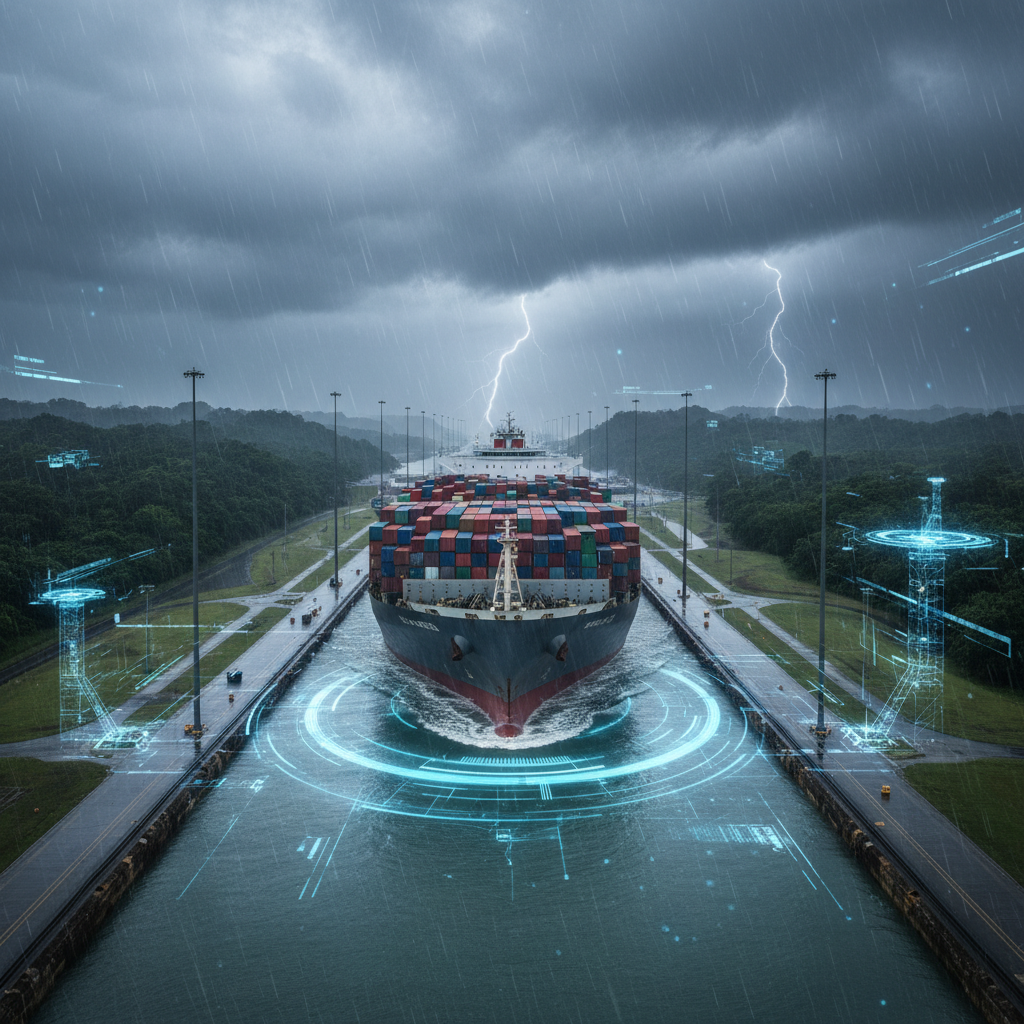
Critical transit lanes and key logistics facilities are particularly susceptible to weather-induced disruptions. The Panama Canal stands as a prime example of a vital chokepoint where operational adjustments can intersect with environmental factors. The Canal, a crucial artery for global trade, has recently updated its criteria for reallocating transit slots that are canceled or become available during booking periods 1A and 2. While these changes are designed to optimize traffic flow, they exist within a context where the Canal's operational capacity can be significantly affected by weather phenomena, such as droughts leading to reduced water levels and draft restrictions, or severe storms impacting navigation.
When weather events force capacity reductions or delays at such critical junctures, the revised booking system, while aiming for efficiency, might inadvertently reduce the flexibility available to absorb unexpected disruptions. Tighter slot management could mean that weather-induced delays lead to longer queues, greater rerouting pressures, or even complete cancellations, creating a domino effect across interconnected supply chains. Beyond the Canal, other facilities face similar vulnerabilities: major port terminals can be shut down by hurricanes or typhoons, leading to vessel diversions and significant backlogs. Airports can experience closures due to heavy fog, snowstorms, or high winds, grounding air cargo operations. Inland facilities like warehouses and distribution centers are also at risk from flooding, power outages, or impassable roads, disrupting the crucial last-mile delivery segment.
Multi-Modal Impacts of Atmospheric Volatility
Weather's influence extends across all modes of transport, each experiencing unique challenges:
-
Ocean Freight: Vessels navigating rough seas face slower transit times, increased fuel consumption, and potential cargo damage. Severe storms necessitate rerouting, adding days or even weeks to voyages. Port closures due to adverse weather lead to vessel congestion, further exacerbating schedule integrity. The cumulative effect is a significant increase in lead times and operational costs, impacting inventory management and customer satisfaction.
-
Air Freight: Air cargo is highly sensitive to atmospheric conditions. Fog, heavy snow, or high winds can lead to flight cancellations, diversions, or significant delays. Extreme temperatures can also affect aircraft performance and ground handling operations. Volcanic ash plumes, though less frequent, can shut down vast swathes of airspace, as seen in past events, bringing air cargo to a standstill. These disruptions cascade quickly, impacting time-sensitive shipments and high-value goods.
-
Land Transport (Rail & Road): Terrestrial freight is equally vulnerable. Heavy snowfall can close mountain passes and rail lines, while extensive flooding can render roads impassable and damage rail infrastructure. Extreme heat can cause railway tracks to buckle and place stress on vehicle engines, leading to speed restrictions or breakdowns. Landslides, often triggered by heavy rainfall, can block vital routes for extended periods. These events directly impact first-mile pickups and last-mile deliveries, creating bottlenecks and delaying goods reaching their final destinations.
Building Resilience: Shipper Strategies
In this increasingly volatile environment, shippers must adopt proactive and adaptive strategies to build supply chain resilience:
-
Enhanced Visibility: The foundational step is to gain comprehensive, real-time visibility into cargo movement across all legs of the journey. Knowing where shipments are at any given moment, and being alerted to potential disruptions, is critical for timely intervention.
-
Diversification of Routes and Modes: Relying on a single lane or mode for critical shipments is a high-risk strategy. Shippers should explore alternative routes, even if they are longer or slightly more costly, and consider multi-modal options to provide backup in case of disruption to a primary mode.
-
Contingency Planning: Develop detailed contingency plans for various weather scenarios. This includes pre-identifying alternative carriers, establishing emergency inventory buffers at strategic locations, and having clear communication protocols for all stakeholders when disruptions occur.
-
Data-Driven Decision Making: Leverage predictive analytics and historical data to anticipate potential weather impacts. This allows for proactive adjustments to shipping schedules, inventory levels, and resource allocation, moving from reactive crisis management to proactive risk mitigation.
-
Supplier and Partner Collaboration: Foster strong relationships with carriers, logistics providers, and suppliers. Open communication and collaborative planning can help streamline responses during disruptions and ensure shared understanding of potential risks and solutions.
Leveraging Visibility for Proactive Response
A shipment-visibility control tower platform (MGS) is an indispensable tool for shippers navigating weather-related supply chain disruptions. An MGS platform provides the critical, real-time data and actionable insights needed to anticipate, react to, and mitigate the impact of atmospheric volatility. By integrating live tracking data for vessels, aircraft, and trucks with advanced weather forecasting feeds, an MGS can offer predictive alerts about potential delays or route disruptions. For instance, if a hurricane is forming in the Caribbean, an MGS can identify all affected ocean vessels and their cargo, allowing shippers to initiate rerouting discussions or inform consignees well in advance.
Furthermore, an MGS platform can model the impact of operational changes, such as the Panama Canal's revised booking system, in conjunction with potential weather events. It can highlight which shipments are most at risk, suggest alternative routes or modes, and provide a centralized communication hub for all parties involved. This holistic view empowers shippers to make informed, agile decisions, minimizing the financial and reputational damage caused by unforeseen weather events. Instead of being caught off guard, shippers can leverage MGS to transform weather challenges into opportunities for strategic adaptation and enhanced supply chain resilience.
Source: The Maritime Executive — https://maritime-executive.com/article/panama-canal-revises-transit-booking-system-and-updates-netzero-requirement