
Navigating the Storm: How Extreme Weather is Reshaping Global Cargo Flows
The global supply chain faces unprecedented volatility, with extreme weather emerging as a primary disruptor. This brief examines how adverse weather impacts ocean lanes, inland facilities, and various transport modes, using recent incidents as a backdrop. It outlines crucial strategies for shippers, emphasizing the pivotal role of advanced shipment visibility platforms like MGS in building resilience and ensuring continuity amidst increasing climate-related challenges.
Introduction
The global supply chain operates within an increasingly volatile environment, where unforeseen events can rapidly cascade into significant disruptions. A recent incident involving the Hapag-Lloyd container ship, the Espirito Santo Express, where a fire severely damaged a vast majority of its cargo, serves as a stark reminder of the fragility inherent in global logistics. While the specific cause of this particular incident is not detailed, its profound impact—requiring considerable time to bring the vessel to a port of refuge—underscores the severe consequences of major disruptions. This type of event, regardless of its origin, highlights the critical need for resilience and adaptability in cargo movement. Beyond isolated incidents, a more pervasive and growing threat to supply chain stability comes from extreme weather phenomena, which are increasing in frequency and intensity, directly challenging the predictability and efficiency of cargo flows across all modes and lanes.
Weather-related disruptions are no longer isolated anomalies but a consistent, systemic challenge. From powerful storms impacting major shipping lanes to floods paralyzing inland infrastructure, these events introduce widespread delays, rerouting, and significant financial losses. For shippers, understanding the multifaceted impact of weather and implementing proactive strategies, supported by advanced visibility tools, is paramount to maintaining operational continuity and safeguarding their cargo.
Impact on Ocean Lanes
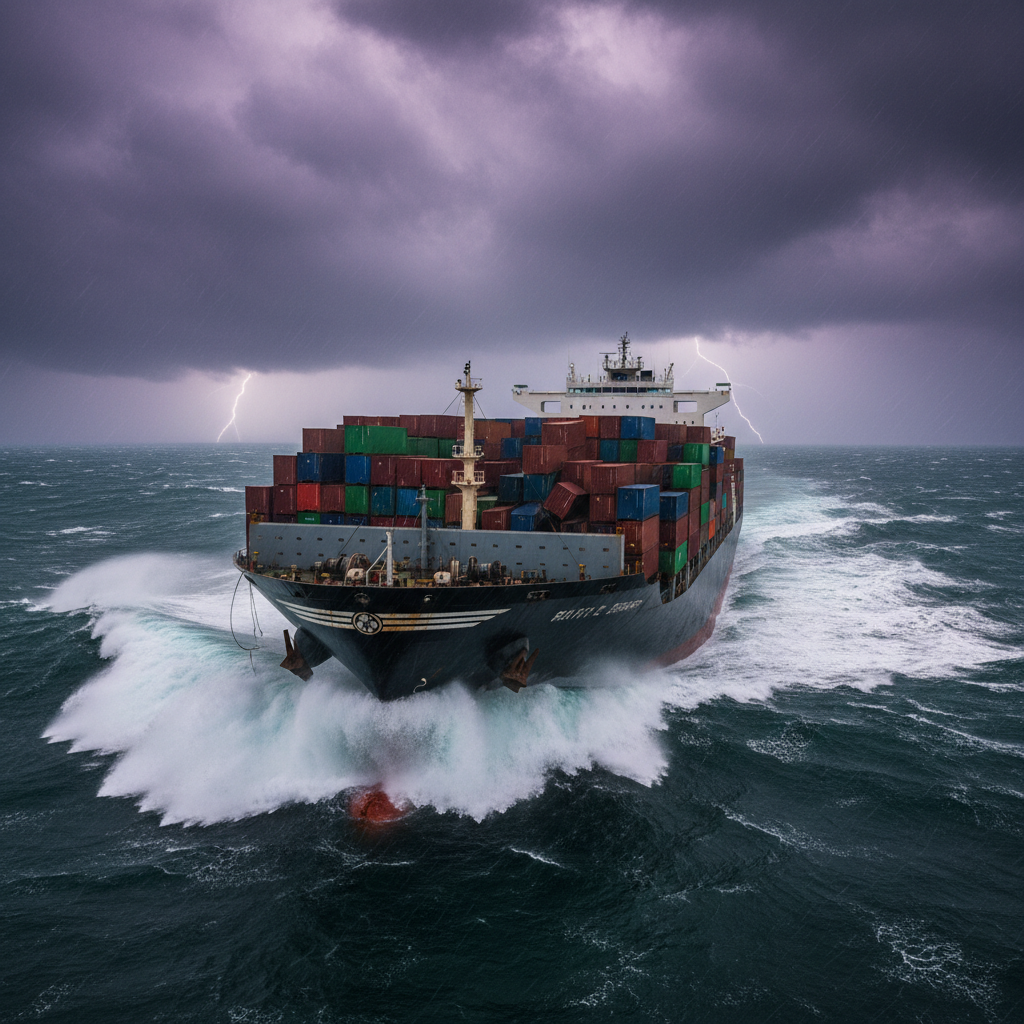
Oceanic shipping, the backbone of global trade, is particularly vulnerable to the whims of severe weather. Major shipping lanes, such as the Trans-Pacific and Trans-Atlantic routes, as well as critical chokepoints like the approaches to the Suez and Panama Canals, are frequently subjected to hurricanes, typhoons, and intense storm systems. These events force vessels to alter course, seek shelter, or significantly reduce speed, leading to substantial delays. For instance, a single major hurricane can cause port closures for days, creating backlogs that take weeks to clear, impacting vessel schedules globally. Beyond direct delays, rough seas can lead to cargo damage, container loss overboard, or even more severe incidents, echoing the scale of disruption seen with the Espirito Santo Express fire, albeit from a different origin. Dense fog can halt traffic in busy waterways, while unexpected ice formations can render certain routes impassable, necessitating costly and time-consuming diversions. The cumulative effect is a ripple across the entire ocean freight network, disrupting carefully planned schedules and increasing transit times and costs.
Impact on Inland Facilities & Modes
Weather's disruptive reach extends far beyond the open seas, profoundly affecting inland transportation networks and logistics facilities. Rail operations are vulnerable to extreme conditions; heavy rainfall and subsequent flooding can wash out tracks or cause landslides, bringing freight trains to a standstill. Conversely, intense heat can force speed restrictions on rail lines to prevent track warping, significantly slowing down cargo movement. Road transport faces similar challenges, with blizzards, ice storms, and widespread flooding rendering highways impassable, leading to extensive delays for truckload and less-than-truckload shipments. Even extreme heat can impact road infrastructure and vehicle performance, reducing efficiency.
Air cargo, while often seen as a faster alternative, is not immune. Severe thunderstorms, blizzards, or even volcanic ash clouds can lead to widespread flight cancellations and airport closures, grounding cargo and causing significant backlogs. Port facilities themselves are highly susceptible to weather disruptions. High winds can prevent cranes from operating, halting loading and unloading activities. Flooding can inundate container yards, making cargo inaccessible and disrupting drayage operations. These inland and facility-level disruptions create bottlenecks that exacerbate delays originating from ocean transit, further complicating last-mile delivery and overall supply chain flow.
Shipper Strategies for Resilience
In the face of escalating weather-related disruptions, shippers must adopt proactive and adaptive strategies to build resilience into their supply chains. A fundamental approach involves diversifying transportation modes and routes. Relying solely on a single lane or mode increases vulnerability; instead, exploring multimodal options or alternative shipping routes can provide flexibility when primary pathways are compromised. Pre-positioning inventory in strategically located distribution centers can also mitigate the impact of transit delays, ensuring that critical goods remain accessible to end markets.
Furthermore, robust contingency planning is essential. This includes developing clear protocols for rerouting, rebooking, and communicating with customers during disruptions. Establishing strong relationships with multiple carriers and logistics providers can offer greater flexibility and access to alternative capacity when needed. Ultimately, the ability to react swiftly and decisively hinges on having timely, accurate information about both cargo status and impending weather events. This data-driven approach allows shippers to anticipate problems, make informed decisions, and minimize the financial and reputational damage caused by disruptions.
The Role of Shipment Visibility (MGS)
This is precisely where a sophisticated shipment-visibility control tower platform, such as MGS, becomes an indispensable asset. MGS provides real-time, end-to-end tracking of cargo across all modes—ocean, air, rail, and road—offering unparalleled transparency into the location and status of every shipment. This real-time data is crucial for identifying potential delays as they emerge, allowing shippers to respond proactively rather than reactively. For instance, if a vessel is forced to divert due to a severe storm, MGS can immediately flag the expected delay and provide updated ETAs, enabling downstream adjustments.
Beyond basic tracking, an MGS platform integrates predictive analytics, leveraging advanced weather forecasting data. This capability allows the platform to not only monitor current conditions but also to anticipate future weather-related disruptions along planned routes. Proactive alerts can be generated for shipments heading into high-risk weather zones, giving shippers lead time to explore alternative options, such as expediting a different leg of the journey or rerouting cargo to less affected ports or hubs. The control tower functionality centralizes communication, allowing all stakeholders—shippers, carriers, and logistics partners—to access the same up-to-date information and collaborate on solutions. By providing a single source of truth and enabling scenario planning based on real-time and predictive data, MGS empowers shippers to make agile, data-driven decisions that minimize the impact of weather-induced volatility and maintain supply chain continuity.
Conclusion
The increasing frequency and intensity of extreme weather events represent a persistent and growing challenge for global supply chains. From major disruptions like the fire on the Espirito Santo Express, which underscores the vulnerability of cargo, to the widespread and systemic impacts of hurricanes, floods, and blizzards, the need for resilience has never been more critical. Shippers must move beyond traditional reactive models towards proactive, data-driven strategies. By embracing advanced shipment visibility platforms like MGS, organizations can gain the real-time insights and predictive capabilities necessary to navigate these turbulent times. Leveraging such technology allows for informed decision-making, agile response, and ultimately, the construction of a more robust and resilient supply chain capable of withstanding the escalating pressures of a changing climate.
Source: TradeWinds — https://www.tradewindsnews.com/casualties/fire-severely-damages-vast-majority-of-cargo-on-hapag-lloyd-container-ship/2-1-2068025