
Navigating the Storm: How Weather Disrupts Global Cargo Movement
Severe weather events are increasingly challenging global supply chains, impacting critical shipping lanes, logistics facilities, and all modes of transport. This brief explores the multifaceted ways weather disrupts cargo movement and outlines actionable strategies, leveraging advanced visibility platforms, for shippers to enhance resilience.
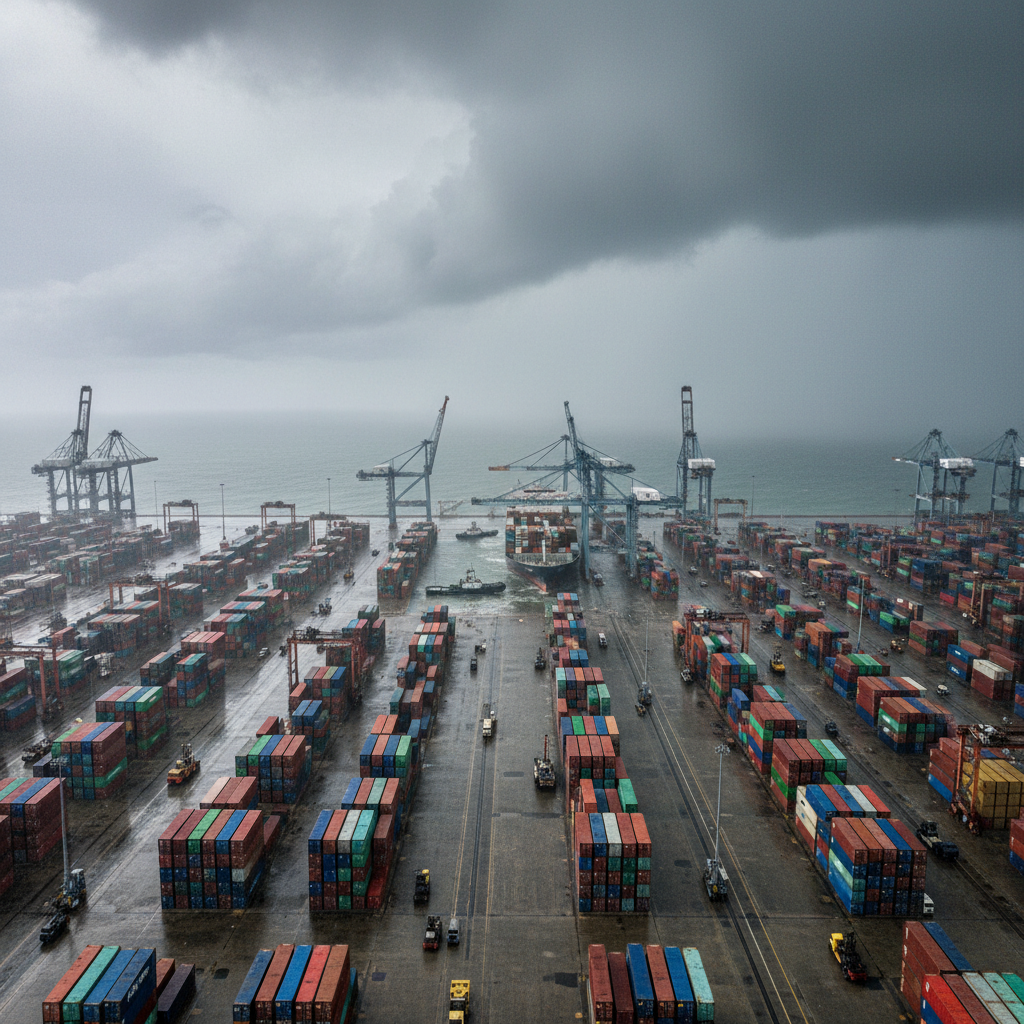
The global supply chain remains a landscape of dynamic challenges. While geopolitical tensions, such as those recently observed leading to a fall in Hormuz transits to their lowest level in two months, frequently capture headlines, the relentless and often unpredictable force of weather presents an equally formidable, if sometimes less dramatic, threat to cargo movement. From sudden blizzards to intensifying tropical storms, weather events are not merely inconveniences; they are critical disruptors that demand sophisticated foresight and agile response strategies from shippers worldwide. Understanding the specific impacts across different facets of the logistics network is paramount for maintaining continuity and mitigating financial losses.
Lanes Affected
Weather phenomena exert a profound influence on the viability and efficiency of global shipping lanes. Ocean routes are particularly vulnerable to tropical cyclones (hurricanes, typhoons), which necessitate extensive rerouting, adding days or even weeks to transit times and significantly increasing fuel consumption. Beyond tropical systems, persistent fog can bring major coastal shipping lanes and port approaches to a standstill, causing bottlenecks and schedule backlogs. In colder regions, severe winter storms and ice accumulation can close critical waterways, like the Great Lakes or inland river systems, for extended periods. Air cargo corridors, while seemingly less constrained, are heavily impacted by atmospheric conditions such as severe thunderstorms, blizzards, and even volcanic ash clouds, leading to flight cancellations, diversions, and ground stops that ripple through tightly scheduled networks. On land, major trucking arteries and rail lines face closures due to heavy snowfall, ice, flooding, and mudslides, especially in mountainous or low-lying areas. Extreme heat can also compromise rail infrastructure, causing tracks to buckle and imposing speed restrictions, thereby slowing down freight movement across vast continental networks.
Facilities Affected
Logistics facilities, the vital nodes of the supply chain, are directly exposed to the destructive potential of adverse weather. Ports and marine terminals are highly susceptible to high winds, storm surges, and heavy rainfall. These conditions can lead to complete port closures, restrict vessel movements, halt crane operations, and cause flooding of container yards, damaging cargo and infrastructure. The aftermath often includes severe congestion as operations resume. Airports face similar challenges; blizzards can shut down runways for de-icing or snow removal, dense fog can reduce visibility to unsafe levels for landings and take-offs, and high winds can make ground handling impossible, leading to widespread flight delays and cancellations. Warehouses and distribution centers, often located in industrial parks prone to flooding, can suffer significant inventory damage, power outages, and blocked access roads, severely disrupting inbound and outbound logistics. Manufacturing plants, while not directly involved in cargo movement, can experience production halts due to power outages caused by severe weather, or suffer from supply chain interruptions upstream (raw materials) and downstream (finished goods) when transport modes are affected.
Modes Affected
Each mode of transport possesses unique vulnerabilities to weather-related disruptions. Ocean freight, while robust, experiences significant delays from rerouting around storms, mandatory slow steaming in rough seas, and potential cargo damage from violent pitching and rolling. Port congestion following severe weather events further exacerbates schedule integrity. Air cargo, prized for its speed, is paradoxically one of the most sensitive to weather; flight delays, cancellations, and diversions lead to immediate capacity constraints and can jeopardize temperature-sensitive or time-critical shipments. Road transport, the backbone of last-mile delivery and regional distribution, is highly susceptible to road closures, reduced speed limits, and driver safety concerns in conditions like heavy snow, ice, or dense fog. Vehicle breakdowns are more common in extreme temperatures, and perishable goods face higher spoilage risks during prolonged delays. Rail freight, often seen as a reliable bulk mover, can suffer from track damage, bridge washouts, and speed restrictions due to extreme heat or cold, impacting locomotive performance and overall network fluidity.
What Shippers Can Do
Proactive strategies are essential for shippers to build resilience against weather-induced disruptions. Firstly, investing in advanced visibility platforms like the MGS control tower is critical. These platforms provide real-time tracking of shipments overlaid with dynamic weather forecasts, offering predictive analytics on potential impacts to specific routes, assets, and facilities. This allows for early warning and informed decision-making. Secondly, diversification and redundancy are key: exploring alternative routes, modes, and even warehousing locations can create fallback options when primary paths are compromised. Building strategic buffer stock for critical components or finished goods can also absorb short-term shocks. Thirdly, dynamic routing and mode shifting capabilities, powered by real-time data from an MGS control tower, enable agile responses. Shippers can quickly reroute shipments, switch from ocean to air for urgent cargo, or utilize different road/rail corridors to circumvent affected areas. Fourthly, robust communication and collaboration with carriers, suppliers, and customers are paramount. Sharing updated estimated times of arrival (ETAs) and contingency plans fosters trust and manages expectations. Finally, regular risk assessment and scenario planning for various weather events, coupled with well-defined playbooks, can significantly reduce response times and minimize the impact of unforeseen disruptions. An MGS control tower empowers shippers by providing the comprehensive, real-time data and collaborative tools necessary to implement these strategies effectively, turning potential disruptions into manageable challenges.
Source: The Maritime Executive — https://maritime-executive.com/article/hormuz-transits-fall-to-lowest-level-in-two-months-as-attacks-increase