
Escalating Geopolitical Tensions Disrupt Key Maritime Lanes: Implications for Global Supply Chains
Recent attacks on commercial shipping in the Strait of Hormuz and Gulf of Oman signal a sharp escalation in geopolitical risks, directly impacting critical maritime trade routes. This brief analyzes the immediate effects on shipping lanes, vessel types, and offers strategies for shippers to navigate this volatile environment using advanced visibility tools.
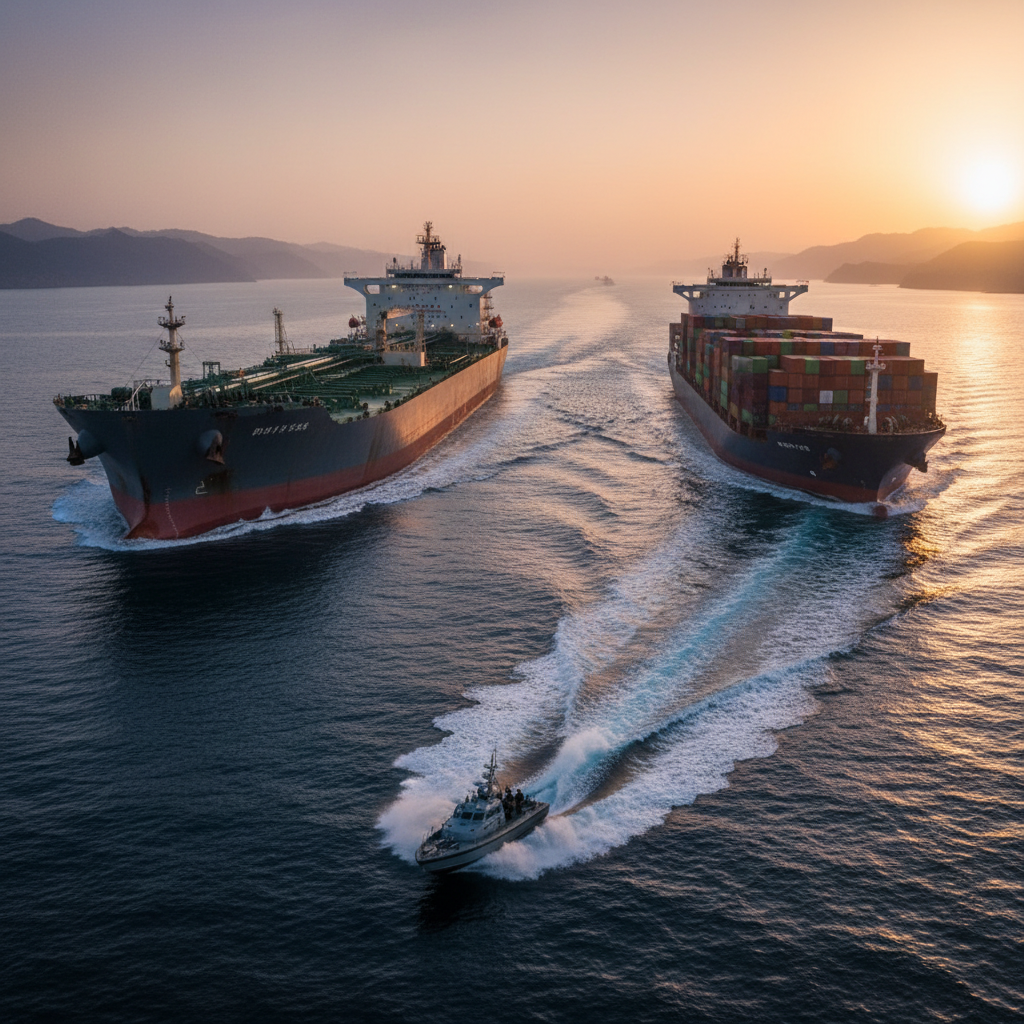
Geopolitical instability has once again cast a long shadow over global maritime trade, with recent incidents in the Strait of Hormuz and the Gulf of Oman underscoring the fragility of critical supply routes. The reported striking of two more tankers in Hormuz and the disabling of a cargo vessel in the Gulf of Oman by U.S. forces represent a significant escalation in attacks on commercial shipping. For supply chain professionals, these events are not isolated incidents but clear indicators of heightened risk that demand immediate attention and strategic adaptation.
These developments necessitate a thorough understanding of the affected arteries of global commerce, the types of vessels most vulnerable, and the proactive measures shippers must implement to safeguard their operations. The MGS shipment-visibility control tower platform becomes an indispensable tool in such volatile times, providing the real-time intelligence needed to react swiftly and mitigate potential disruptions.
Affected Lanes and Facilities
The Strait of Hormuz, a narrow waterway connecting the Persian Gulf to the Arabian Sea, stands as one of the world's most critical maritime chokepoints. An estimated one-fifth of global oil consumption, along with a significant volume of liquefied natural gas (LNG) and other goods, transits through this strait daily. The recent attacks, specifically targeting this area, immediately raise alarms for any supply chain reliant on Middle Eastern energy exports or goods transiting to and from the region. The Gulf of Oman, serving as the gateway to and from Hormuz, is equally vital, and incidents there directly impact vessels approaching or departing the strait.
The direct consequence of such disruptions is an immediate increase in perceived risk for vessels navigating these waters. This perception translates into tangible impacts: higher insurance premiums, potential rerouting decisions, and extended transit times. While no specific facilities were named in the immediate aftermath of these attacks, the ripple effect on port operations is undeniable. Ports within the Persian Gulf, including major hubs for oil and container traffic, face potential delays as vessels exercise increased caution, undergo enhanced security checks, or even consider alternative, longer routes. This can lead to congestion at less affected ports, creating a domino effect across interconnected logistics networks. Shippers must consider the potential for delays at loading and unloading ports, as well as the broader impact on vessel schedules and port calls across entire service loops.
Impacted Modes of Transport
The source text explicitly mentions that "two more tankers have been struck" and a "cargo vessel" was disabled. This highlights the immediate vulnerability of two crucial modes of maritime transport:
- Tankers: These vessels are primarily responsible for transporting crude oil, refined petroleum products, and petrochemicals. The targeting of tankers directly impacts global energy markets, potentially leading to price volatility and supply uncertainties. Companies shipping oil and gas, or those whose operations are heavily reliant on these commodities, face immediate and significant exposure. The risk extends beyond the physical damage to the vessels, encompassing the potential for environmental incidents, crew safety concerns, and the broader geopolitical implications for energy security.
- Cargo Vessels: While the specific type of cargo vessel is not detailed, this category typically includes container ships, bulk carriers, and general cargo vessels. These ships carry a vast array of goods, from manufactured products and raw materials to agricultural commodities. The disruption to cargo vessels signifies a broader threat to general merchandise trade, impacting diverse industries from automotive to retail. Delays or diversions of these vessels can lead to stockouts, production halts, and increased costs for businesses globally.
Both modes face increased operational costs due to higher war risk insurance premiums, potential security escorts, and the added fuel and time expenses associated with longer rerouting. The safety of maritime crews also becomes a paramount concern, potentially affecting crew availability and operational readiness.
Strategic Responses for Shippers
In an environment marked by escalating geopolitical risks, proactive and data-driven strategies are essential for shippers. Relying on an MGS shipment-visibility control tower platform becomes critical for navigating these complex challenges:
-
Enhanced Real-time Visibility: The fundamental requirement is to know where shipments are at all times. An MGS platform provides real-time tracking of vessels and cargo, offering immediate alerts on deviations, delays, or incidents. This visibility is crucial for identifying which specific shipments might be impacted by events in the Strait of Hormuz or Gulf of Oman, allowing for rapid assessment and response.
-
Proactive Risk Assessment and Scenario Planning: Shippers must move beyond reactive measures. Leveraging historical data and real-time intelligence from an MGS platform, companies can conduct dynamic risk assessments for all routes transiting high-risk areas. This includes modeling the impact of potential reroutes, calculating revised transit times, and estimating increased costs (e.g., fuel, insurance). Scenario planning, such as preparing for prolonged closures of key waterways, becomes a vital exercise.
-
Diversification of Routes and Carriers: Where feasible, exploring alternative shipping routes that bypass high-risk zones can mitigate exposure. While often leading to longer transit times and higher costs, this diversification can provide a crucial safety net. Similarly, diversifying carrier partnerships can reduce reliance on any single provider whose operations might be heavily concentrated in affected regions.
-
Optimized Inventory Management: Geopolitical disruptions underscore the importance of resilient inventory strategies. Shippers may need to consider adjusting safety stock levels for critical goods, particularly those sourced via high-risk lanes. An MGS platform can help monitor incoming inventory against revised schedules, enabling better planning for warehouse operations and production lines.
-
Improved Communication and Collaboration: Robust communication channels with logistics partners, carriers, and freight forwarders are paramount. An MGS control tower facilitates a single source of truth, enabling all stakeholders to access the same real-time information and coordinate responses effectively. This shared visibility fosters quicker decision-making and more cohesive action during disruptions.
-
Leveraging Predictive Analytics: Advanced MGS platforms can offer predictive insights, forecasting potential future disruptions based on evolving geopolitical situations. This allows shippers to anticipate problems before they fully materialize, enabling pre-emptive actions like re-booking cargo or adjusting production schedules.
The escalating attacks on commercial shipping in vital maritime corridors serve as a stark reminder that supply chain resilience is not just about operational efficiency but also about robust geopolitical risk management. By embracing advanced shipment-visibility platforms like MGS, shippers can transform potential vulnerabilities into opportunities for strategic advantage, maintaining continuity and control in an increasingly unpredictable world.
Source: gCaptain — https://gcaptain.com/more-tankers-hit-in-hormuz-as-u-s-strikes-cargo-ship/