
Navigating the Storm: How Weather Disrupts Global Cargo Movement
Unpredictable weather patterns are a persistent and growing threat to global supply chains. This brief explores how atmospheric conditions impact critical lanes, facilities, and modes, and outlines strategic responses for shippers leveraging advanced visibility platforms to maintain resilience.
Introduction: The Unpredictable Force of Weather
In the intricate dance of global commerce, few variables hold as much disruptive potential as weather. From localized squalls to widespread atmospheric phenomena, meteorological events introduce significant volatility into supply chains, impacting everything from transit times and freight costs to inventory levels and customer satisfaction. As an MGS supply-chain analyst, understanding these dynamics is crucial for building resilient and responsive logistics networks. This insight brief delves into the multifaceted ways weather disrupts cargo movement, identifying vulnerable lanes, facilities, and modes, and proposing actionable strategies for shippers.
Lanes Affected: Navigating Atmospheric Obstacles
Weather's influence on transportation lanes is pervasive, affecting all major modes. Maritime shipping, the backbone of international trade, is particularly susceptible. Severe storms, hurricanes, and typhoons necessitate extensive rerouting, adding days or even weeks to transit times, increasing fuel consumption, and elevating the risk of cargo damage or loss. Dense fog can lead to port closures and restricted navigation in critical waterways, causing vessel backlogs that ripple through the system. Ice formation in northern sea routes or freshwater passages like the Great Lakes can render lanes impassable, requiring icebreaker assistance or complete closure, severely delaying schedules.
Air cargo, while offering speed, is equally vulnerable. Thunderstorms, blizzards, and volcanic ash clouds can lead to flight cancellations, diversions, and significant ground delays. High winds and low visibility conditions routinely impact take-offs and landings, creating bottlenecks at major air hubs. Even seemingly minor weather events can trigger a cascading effect, disrupting flight schedules globally due to crew rest requirements and aircraft positioning.
Overland routes, encompassing road and rail, face their own set of challenges. Heavy snowfall can close mountain passes and major highways, stranding trucks and delaying deliveries. Flooding from torrential rains or storm surges can render roads and rail lines impassable, forcing lengthy detours or complete cessation of service. Extreme heat can cause railway tracks to buckle, necessitating speed restrictions or temporary closures, while high winds can overturn high-profile vehicles, particularly on bridges or open stretches of road. Each of these scenarios directly impedes the smooth flow of goods, extending lead times and increasing operational costs.
Facilities Impacted: Vulnerable Hubs in the Storm
Critical logistics facilities are often at the forefront of weather's impact. Ports, serving as vital intermodal transfer points, are highly exposed. Strong winds and storm surges can damage infrastructure, including cranes and berths, leading to operational shutdowns. Flooding can inundate container yards and warehouses, damaging cargo and equipment, and disrupting gate operations. Prolonged port closures due to severe weather can result in massive vessel queues offshore, creating significant demurrage charges and further delaying onward distribution.
Airports experience similar vulnerabilities. Heavy snow or ice accumulation can close runways, halting all air traffic. High winds can prevent safe ground handling operations, impacting loading and unloading. Power outages, often a consequence of severe weather, can cripple air traffic control systems, fueling operations, and cargo processing facilities, leading to widespread cancellations and diversions.
Warehouses and distribution centers, whether inland or coastal, are not immune. Flooding can compromise building integrity and damage stored goods. Extreme temperatures, both hot and cold, can affect temperature-sensitive cargo and impact equipment functionality. Power outages disrupt automated systems, lighting, and climate control, bringing operations to a standstill. Even access roads to these facilities can become impassable, preventing the movement of goods in and out, regardless of the internal operational status.
Modes Affected: Operational Shifts and Strategic Adjustments
The direct impact of weather on specific transport modes necessitates operational shifts and strategic adjustments. For ocean freight, adverse conditions often lead to vessel rerouting, increasing voyage distances and fuel consumption. This can also push vessels off their scheduled windows, creating a domino effect at subsequent ports. Air cargo operations face frequent delays and cancellations, leading to a scramble for alternative capacity, often at higher costs, or a shift to slower, less preferred modes. Road and rail transport, when faced with closures, must either hold cargo indefinitely or find alternative routes, which can be significantly longer and more expensive, particularly for time-sensitive deliveries.
Beyond direct physical disruption, weather also impacts labor availability and productivity. Port workers, truck drivers, and warehouse staff may face hazardous conditions or be unable to reach their workplaces, further exacerbating delays. This compounding effect underscores the systemic vulnerability of global logistics to meteorological events.
What Shippers Can Do: Building Resilience Through Foresight and Visibility
Shippers are not powerless in the face of weather disruptions. Proactive planning and leveraging advanced technology are key to mitigating risks:
- Dynamic Route Optimization and Diversion Planning: Develop pre-approved alternative routes for all modes, considering various weather scenarios. This includes identifying alternative ports, airports, or land routes that can be activated swiftly when primary lanes are compromised.
- Enhanced Inventory Management: Maintain strategic safety stock levels for critical goods, particularly those moving through weather-prone regions. This buffer can absorb short-term delays without immediately impacting production or sales.
- Carrier Diversification and Contingency Contracts: Work with multiple carriers across different modes and regions. Establish contingency contracts that allow for flexible capacity and modal shifts during periods of disruption.
- Robust Communication Protocols: Establish clear communication channels with all stakeholders—carriers, 3PLs, customers, and internal teams. Timely updates on delays, reroutes, and estimated new arrival times are crucial for managing expectations and enabling downstream adjustments.
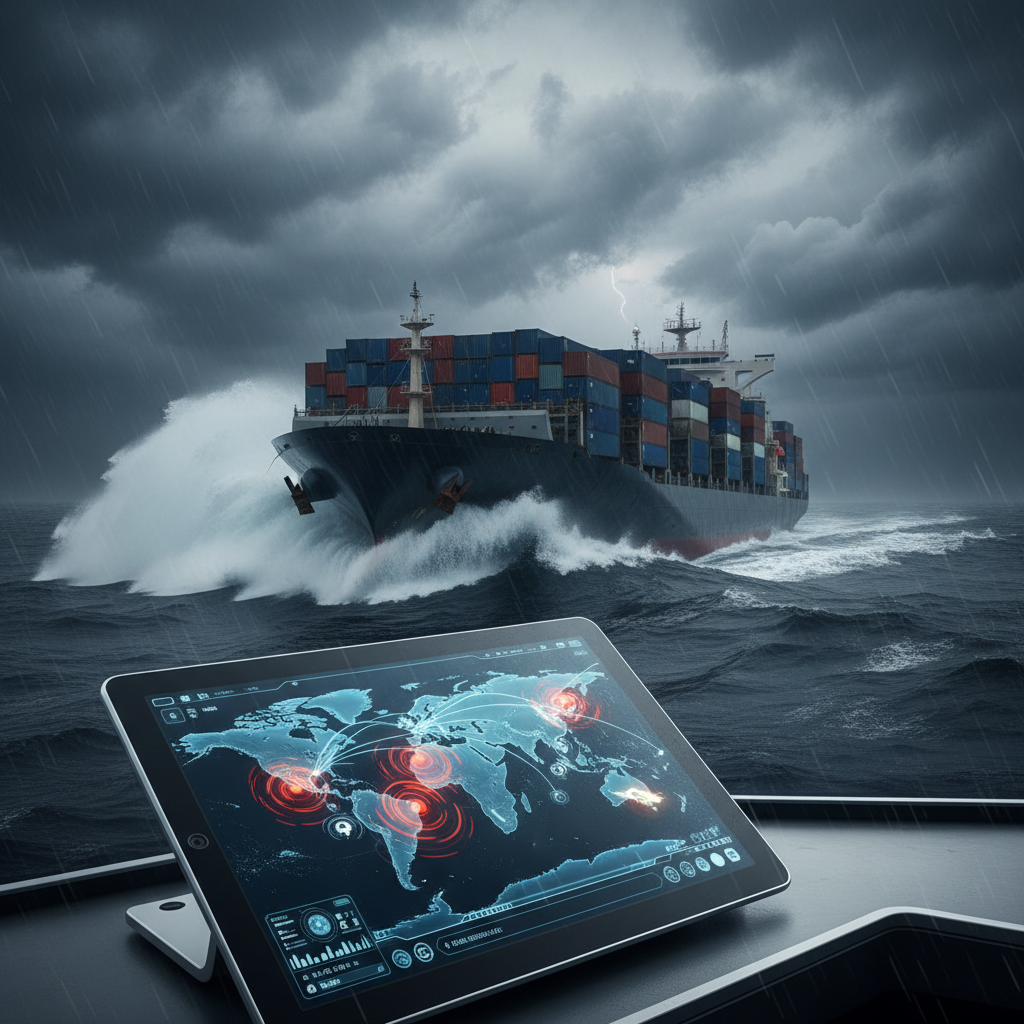
- Leveraging Shipment Visibility Control Towers: This is where an MGS platform becomes indispensable. A comprehensive shipment-visibility control tower provides real-time, end-to-end tracking of cargo across all modes and geographies. By integrating weather data feeds with live shipment data, MGS can offer predictive analytics, alerting shippers to potential disruptions before they occur. This allows for proactive decision-making, such as rerouting cargo, adjusting inventory, or communicating with customers, minimizing the impact of adverse weather. The platform's ability to visualize global cargo flow against evolving weather patterns empowers analysts to identify at-risk shipments, assess the impact on specific lanes and facilities, and execute contingency plans with agility.
Conclusion: Weathering the Storm with Strategic Foresight
Weather will always be an unpredictable force in global supply chains. However, its disruptive potential can be significantly managed through strategic foresight, robust contingency planning, and the intelligent application of technology. By understanding the specific vulnerabilities of lanes, facilities, and modes, and by leveraging advanced tools like the MGS shipment-visibility control tower, shippers can transform a reactive approach into a proactive, resilient strategy, ensuring that cargo keeps moving, even when the skies turn grey.
Source: gCaptain — https://gcaptain.com/three-tanker-attacks-hit-hormuz-as-saudi-oil-is-forced-back-toward-strait/