
Navigating the Storm: How Weather Patterns Reshape Global Cargo Flows
Unpredictable weather events are increasingly challenging global supply chains. This brief examines how atmospheric conditions disrupt key shipping lanes, critical facilities, and various transport modes, and outlines strategic responses for shippers leveraging advanced visibility platforms.
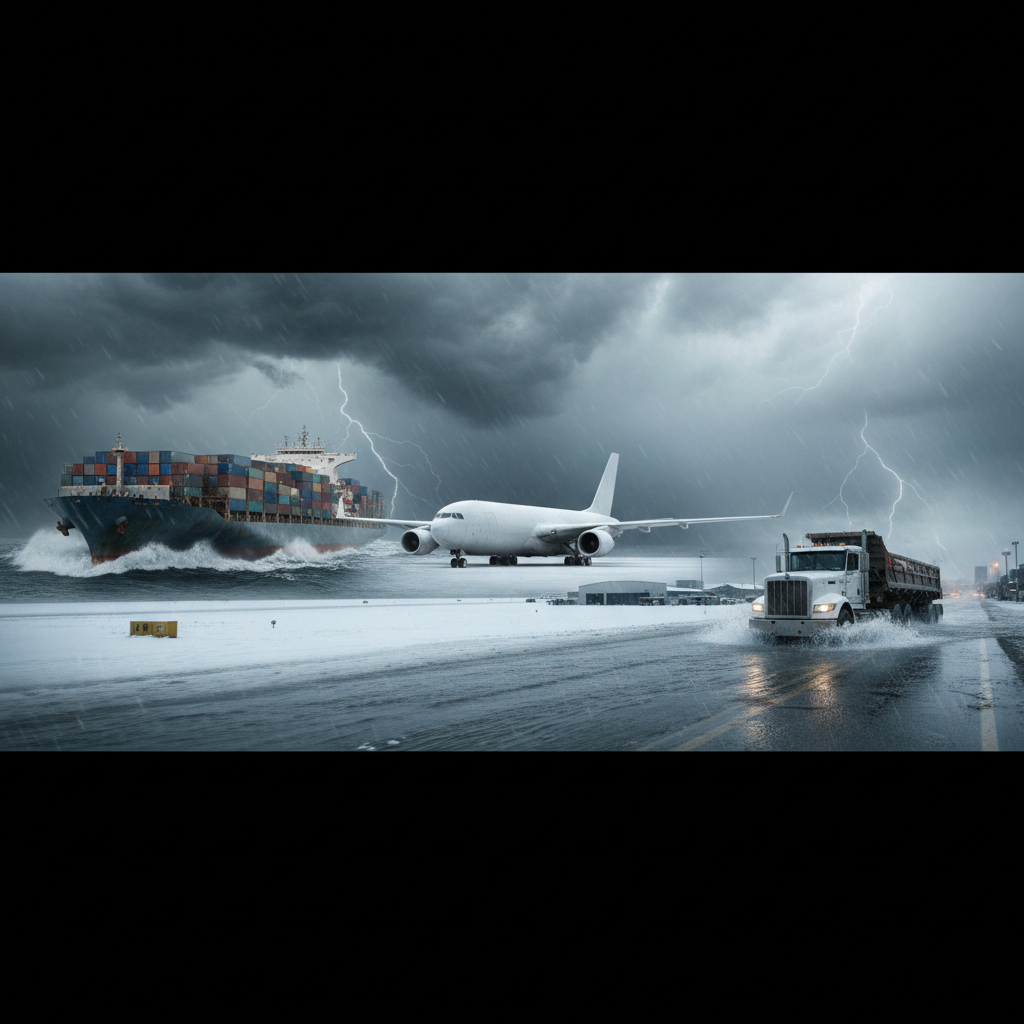
The Unpredictable Force of Weather on Global Supply Chains
In the intricate web of global commerce, the movement of goods relies heavily on predictable conditions. However, the escalating frequency and intensity of weather events are introducing significant volatility, reshaping logistics landscapes and demanding greater resilience from supply chains. From extreme heat and droughts impacting inland waterways to powerful storms disrupting ocean routes and blizzards grounding air freight, atmospheric phenomena are no longer isolated incidents but persistent factors influencing cargo movement worldwide. This dynamic environment necessitates a proactive approach, where understanding potential disruptions and implementing adaptive strategies becomes paramount for maintaining operational continuity and meeting delivery commitments.
Ocean Lanes Under Pressure
Maritime shipping, the backbone of international trade, is particularly vulnerable to adverse weather. Major ocean lanes, including trans-oceanic routes and coastal passages, face direct impacts from hurricanes, typhoons, and severe gales. These conditions can force vessels to reroute, seek shelter, or significantly reduce speed, leading to extended transit times and missed port calls. Dense fog can also bring operations to a standstill in critical choke points or near port approaches. Beyond immediate delays, prolonged rough seas can cause cargo damage, compromise vessel safety, and necessitate costly repairs. Furthermore, extreme weather events can damage port infrastructure, including cranes, berths, and storage facilities, exacerbating delays even after the immediate weather threat has passed. The cumulative effect is a ripple across global schedules, impacting vessel rotations, container availability, and ultimately, delivery timelines for goods ranging from raw materials to finished consumer products.
Air Cargo Navigating Turbulence
Air freight, prized for its speed, is not immune to weather's disruptive force. Airports, as critical hubs, are highly susceptible to conditions such as heavy snowfall, ice storms, strong crosswinds, and dense fog, which can lead to flight cancellations, diversions, and extensive ground delays. Thunderstorms, particularly prevalent in certain regions during specific seasons, can create significant air traffic control challenges, leading to holding patterns, reroutes, and delays for both passenger and cargo aircraft. Extreme heat can also reduce aircraft lift capabilities, sometimes requiring cargo offloading or fuel reductions, especially in high-altitude airports. These disruptions not only delay high-value or time-sensitive shipments but also create backlogs at air cargo terminals, impacting onward connections and increasing storage costs. The cascading effect can be felt across integrated logistics networks, where a single airport closure can disrupt global express services and just-in-time supply chains.
Inland Networks: Rail and Road Vulnerabilities
Beyond sea and air, inland transportation modes—rail and road—are equally exposed to weather-induced challenges. Heavy rainfall can cause flooding, rendering roads impassable and submerging rail lines, leading to widespread closures and detours. Mudslides, often triggered by prolonged precipitation, can block critical mountain passes or rail tunnels, severing vital links. Extreme cold and heavy snowfall can make driving conditions hazardous, reducing truck speeds, increasing accident risks, and necessitating the closure of major highways. Icy conditions on roads and rail tracks can also lead to operational slowdowns or complete halts. Droughts, while seemingly less dramatic, can lower water levels in rivers, impacting barge traffic on key inland waterways and forcing a shift to less efficient or more expensive land-based alternatives. These disruptions to ground networks can isolate production facilities, delay last-mile deliveries, and strain warehousing capacity as goods accumulate awaiting onward movement.
Facility Operations at Risk
Weather's impact extends beyond transportation to the static points of the supply chain: warehouses, distribution centers, and manufacturing plants. Extreme temperatures, whether intense heat or severe cold, can affect the operational efficiency of machinery, compromise the integrity of temperature-sensitive goods, and pose health risks to personnel. High winds and heavy precipitation can damage facility structures, leading to power outages, roof leaks, or even structural collapse, necessitating temporary closures or relocation of operations. Flooding, a common consequence of severe storms, can inundate storage areas, destroy inventory, and damage critical equipment. Such events not only halt operations but can also incur substantial recovery costs and long-term business interruption, highlighting the need for robust contingency planning and site resilience against diverse weather threats.
Proactive Strategies for Shippers
Given the pervasive nature of weather-related disruptions, shippers must adopt proactive and adaptive strategies. Firstly, diversification of routes and modes can mitigate risk, ensuring alternative pathways are available when primary lanes are compromised. Secondly, enhanced inventory management through strategic buffer stocks at key nodes can absorb minor delays without immediate impact on production or sales. Thirdly, collaborative planning with carriers and logistics partners, sharing forecasts and potential impacts, fosters a more resilient ecosystem. Finally, investing in resilient infrastructure for facilities, such as elevated storage or reinforced structures, can protect against physical damage. The core of these strategies lies in anticipating potential issues and building flexibility into the supply chain design, moving beyond reactive responses to a state of preparedness.
The MGS Control Tower Advantage
In this environment of increasing weather volatility, a shipment-visibility control tower platform like MGS becomes an indispensable tool. By aggregating real-time data from diverse sources—including meteorological forecasts, carrier updates, port status reports, and GPS tracking—MGS provides unparalleled end-to-end visibility across the entire supply chain. This holistic view allows shippers to identify potential weather-related disruptions before they fully materialize, enabling proactive decision-making. For instance, if a hurricane is forecast to impact a key port, MGS can alert users to shipments en route, allowing for rerouting decisions or communication with consignees. If heavy snow is expected, MGS can highlight affected road segments, facilitating alternative truck assignments. The platform's predictive analytics capabilities can forecast potential delays based on weather patterns, empowering shippers to adjust production schedules, manage customer expectations, and activate contingency plans with greater precision and confidence. Ultimately, an MGS control tower transforms raw data into actionable insights, turning the challenge of unpredictable weather into an opportunity for resilient, agile supply chain management.
Source: gCaptain — https://gcaptain.com/londons-marine-insurers-widen-black-sea-high-risk-zone-as-shipping-attacks-surge/