
Navigating the Storm: How Weather Disrupts Global Cargo and What Shippers Can Do
Weather events are increasingly impacting global supply chains. This brief analyzes how severe weather, exemplified by Shanghai's recovery from typhoons, affects shipping lanes, port facilities, and transport modes, offering strategies for shippers to maintain resilience and leverage visibility platforms.
Introduction: The Unpredictable Force of Weather in Global Logistics
The intricate web of global supply chains operates at the mercy of many factors, and increasingly, severe weather stands out as a formidable disruptor. From hurricanes and typhoons to blizzards and droughts, climatic events can bring cargo movement to a standstill, causing ripple effects that extend far beyond the immediate impact zone. As the frequency and intensity of these events appear to be on the rise, understanding their specific implications for logistics is paramount for maintaining supply chain resilience.
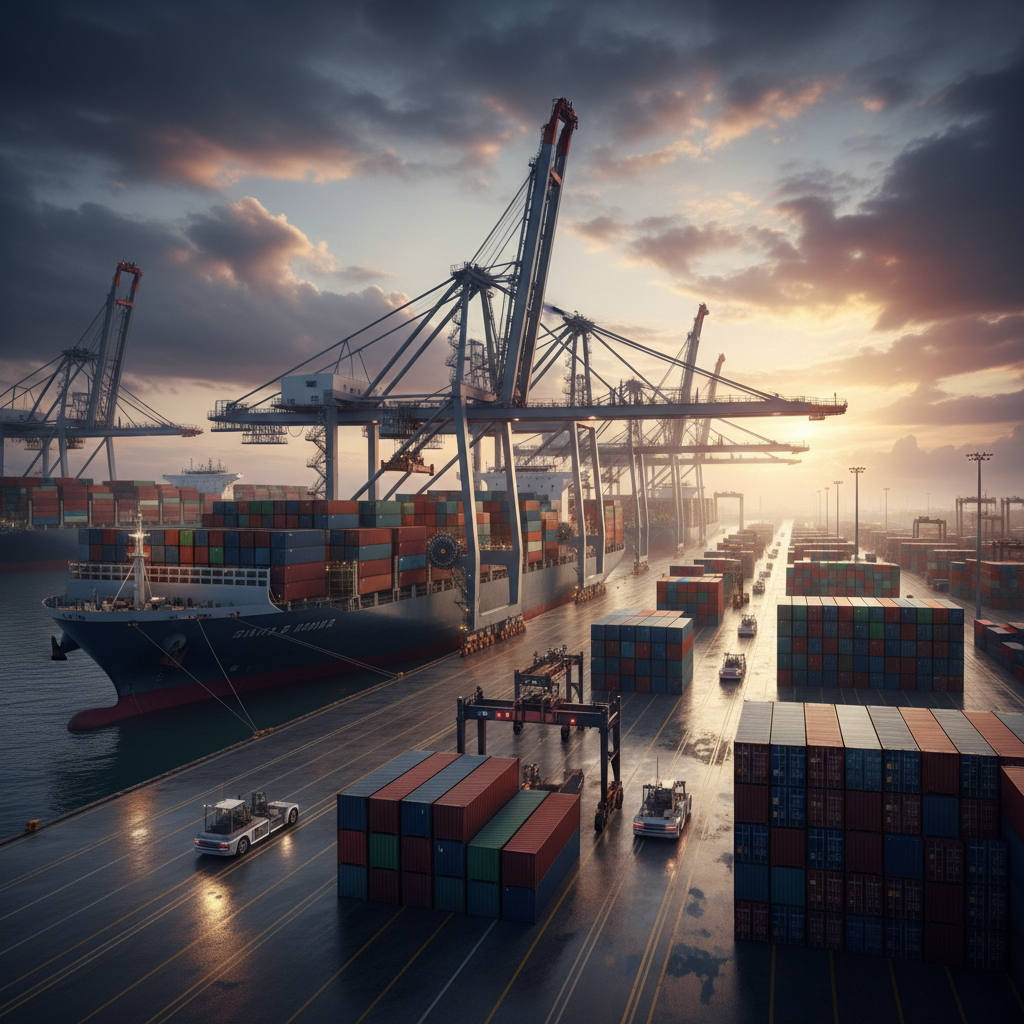
A recent example from September highlights both the challenge and the remarkable capacity for recovery within the industry. Shanghai, long recognized as the world's busiest container port, demonstrated extraordinary resilience by handling an impressive 5.135 million TEU in September, a period marked by its recovery from significant typhoon activity. This achievement, setting a new record for the port, underscores the immense pressure and the subsequent efforts required to restore normalcy after such disruptions. While Shanghai's robust performance is a testament to operational efficiency, it also serves as a stark reminder of the underlying vulnerabilities that weather events introduce into the global shipping ecosystem.
For shippers, the critical question is not if weather will impact their operations, but when, where, and how severely. Proactive planning and real-time visibility are no longer luxuries but necessities in this volatile environment. This brief will delve into the specific ways weather events, like the typhoons affecting key hubs such as Shanghai, disrupt cargo movement across different lanes, facilities, and modes, and outline actionable strategies for shippers to mitigate these challenges.
Impact on Shipping Lanes: Rerouting and Delays at Sea
Severe weather events, particularly tropical cyclones like typhoons, directly impact maritime shipping lanes by rendering certain routes unsafe or impassable. When typhoons approach critical shipping corridors, vessels are often forced to take evasive action, leading to significant deviations from planned routes. This can involve rerouting around storm systems, holding at sea until conditions improve, or even seeking shelter in alternative ports. Such diversions inevitably add days, if not weeks, to transit times, consuming extra fuel and incurring additional operational costs.
In the context of the typhoons affecting Shanghai, a major gateway for trans-Pacific and Asia-Europe trade, the disruption to shipping lanes would have been substantial. Vessels bound for Shanghai would have faced delays, either waiting for the storm to pass or navigating around affected areas. This creates a bottleneck effect, as a surge of vessels then attempts to enter the port once it reopens or conditions normalize. The knock-on effect is felt across the entire network: delayed arrivals at Shanghai mean delayed departures, impacting subsequent port calls and disrupting the finely tuned schedules of liner services globally. Feeder services connecting smaller regional ports to major hubs like Shanghai would also experience severe interruptions, further cascading delays through regional supply chains. For shippers, this translates to extended lead times, missed delivery windows, and the potential for inventory imbalances. A robust shipment-visibility control tower, like MGS, becomes indispensable here, offering real-time tracking of vessels, predictive analytics on ETA changes, and alerts on weather-related diversions, allowing shippers to anticipate delays and communicate proactively with their customers.
Impact on Port Facilities: Congestion, Capacity, and Operational Hurdles
Ports and their associated facilities are ground zero for weather-related disruptions. When a major port like Shanghai is in the path of a typhoon, operations are often suspended entirely for safety reasons. This includes halting vessel movements, suspending cargo handling, and closing access roads. Even after the immediate threat passes, the recovery process can be complex and prolonged.
Post-typhoon, ports face a multitude of challenges. The most immediate is often severe congestion, as the backlog of waiting vessels converges on the port. This creates significant queues, further delaying cargo processing. Terminal capacity can be temporarily reduced due to equipment damage, power outages, or debris. Labor availability might also be affected, as personnel deal with personal impacts from the storm. The sheer volume of cargo that needs to be processed, exemplified by Shanghai's rapid movement of 5.135 million TEU in September after typhoons, highlights the immense pressure on port infrastructure and staff during recovery periods. While impressive, this rapid throughput likely followed a period of intense congestion and operational strain.
Beyond the port gates, warehouses and distribution centers in coastal areas are also vulnerable. Flooding, wind damage, and power outages can render facilities inoperable, preventing the receipt or dispatch of goods. This not only delays cargo but can also lead to damage or loss of inventory. MGS plays a crucial role by providing real-time updates on port status, terminal congestion levels, and container dwell times, giving shippers a clear picture of the operational bottlenecks and helping them prioritize cargo movement or explore alternative discharge points.
Impact on Modes: Cascading Delays Across the Supply Chain
While ocean freight is often the most directly impacted mode by severe weather events like typhoons, the effects invariably cascade to other transportation modes, creating a domino effect across the entire supply chain.
Ocean Freight: As discussed, vessels face diversions, delays, and port congestion. This is the primary point of impact, leading to schedule integrity issues and a ripple of late arrivals at subsequent ports. The recovery phase, as seen in Shanghai's impressive September throughput, often involves carriers deploying extra loaders or accelerating operations to clear backlogs, but this still means initial delays for many shipments.
Intermodal Rail and Trucking: Delays at major container ports directly impact inland transportation. When vessels are delayed, the arrival of containers for rail and truck transport is pushed back. Conversely, once port operations resume, there can be a sudden surge of containers, overwhelming inland logistics networks. This leads to chassis shortages, drayage capacity constraints, and increased dwell times at rail yards and distribution centers. Roads leading to and from ports can also be damaged or blocked by flooding or debris, further impeding truck movements. For shippers, this means that even if their ocean leg is completed, their cargo can still be stuck awaiting inland transport.
Air Freight: While less directly affected by typhoons in terms of route closures (aircraft can typically fly above or around storm systems), air cargo can experience secondary impacts. Airports in affected regions might close temporarily due to severe winds or flooding, leading to flight cancellations and cargo backlogs. More significantly, when ocean freight experiences prolonged disruptions, shippers often turn to air freight for urgent shipments to mitigate delays. This can lead to a surge in demand for air cargo capacity, driving up rates and potentially creating its own set of capacity constraints.
Understanding these interdependencies is vital. MGS provides end-to-end visibility, allowing shippers to see how an ocean delay at Shanghai might affect the subsequent rail connection in Chicago or the final truck delivery in Europe, enabling them to make informed decisions about mode shifts or expedited services.
Shipper Strategies: Building Resilience Through Visibility and Diversification
In an era of increasing weather volatility, shippers must adopt robust strategies to protect their supply chains. These strategies can be broadly categorized into proactive planning and reactive mitigation, with shipment visibility serving as a foundational element for both.
Proactive Strategies:
- Route and Port Diversification: Relying on a single port or a limited set of shipping lanes increases vulnerability. Shippers should explore and pre-qualify alternative ports and routes, particularly for critical cargo. For example, if a major hub like Shanghai is prone to typhoons, having contingency plans for nearby ports or even alternative regions can minimize disruption. This requires understanding the capabilities and limitations of various logistics partners and infrastructure.
- Buffer Stock and Inventory Management: While lean supply chains are efficient, they are also brittle. Strategic placement of buffer stock for critical components or finished goods can absorb short-term disruptions caused by weather-related delays. This doesn't mean building excessive inventory but rather intelligently positioning safety stock at key nodes in the network.
- Enhanced Risk Assessment and Scenario Planning: Regularly assess weather-related risks for all key nodes and lanes in the supply chain. Develop detailed contingency plans for various scenarios, including port closures, major lane disruptions, and facility damage. This includes pre-negotiating emergency freight rates and identifying alternative carriers or modes.
- Collaboration and Communication: Foster strong relationships with logistics partners, including carriers, freight forwarders, and port operators. Open lines of communication allow for early warnings and collaborative problem-solving during crises.
Reactive Mitigation with Shipment Visibility:
When a weather event strikes, the ability to react swiftly and effectively is paramount. This is where a sophisticated shipment-visibility control tower like MGS becomes indispensable:
- Real-Time Monitoring and Alerts: MGS provides continuous tracking of all shipments, offering real-time updates on vessel positions, port status, and estimated times of arrival (ETAs). Automated alerts notify shippers immediately of deviations, delays, or disruptions caused by weather, such as a vessel being rerouted due to a typhoon or a port closure impacting a scheduled call.
- Predictive Analytics for Impact Assessment: Beyond just reporting current status, MGS leverages data to predict the downstream impact of weather events. For instance, it can project how a typhoon-induced delay at Shanghai will affect subsequent rail connections or final delivery dates, allowing shippers to anticipate problems before they fully materialize.
- Dynamic Rerouting and Mode Shifting: With comprehensive visibility, shippers can quickly identify affected shipments and assess alternative options. MGS can help evaluate the feasibility and cost implications of rerouting cargo to a different port, utilizing a different carrier, or even shifting from ocean to air freight for time-sensitive goods. The platform provides the data needed to make these critical, time-sensitive decisions.
- Proactive Customer Communication: Armed with accurate, real-time information from MGS, shippers can proactively communicate with their customers about potential delays, revised delivery schedules, and mitigation steps being taken. This transparency builds trust and manages expectations, even during challenging circumstances.
By integrating these proactive strategies with the real-time insights provided by an MGS shipment-visibility control tower, shippers can transform weather-related disruptions from crippling events into manageable challenges, ensuring greater supply chain resilience and continuity of operations.
Source: The Maritime Executive — https://maritime-executive.com/article/shanghai-moved-a-staggering-5-1m-teu-in-september-recovering-from-typhoons