
Geopolitical Tides: Navigating Shifting Cargo Routes and Trade Dynamics
Recent shifts in global trade, exemplified by the return of Russian diesel to traditional markets, highlight how geopolitical events are redrawing cargo routes, impacting transport modes, and reshaping supply chain strategies.
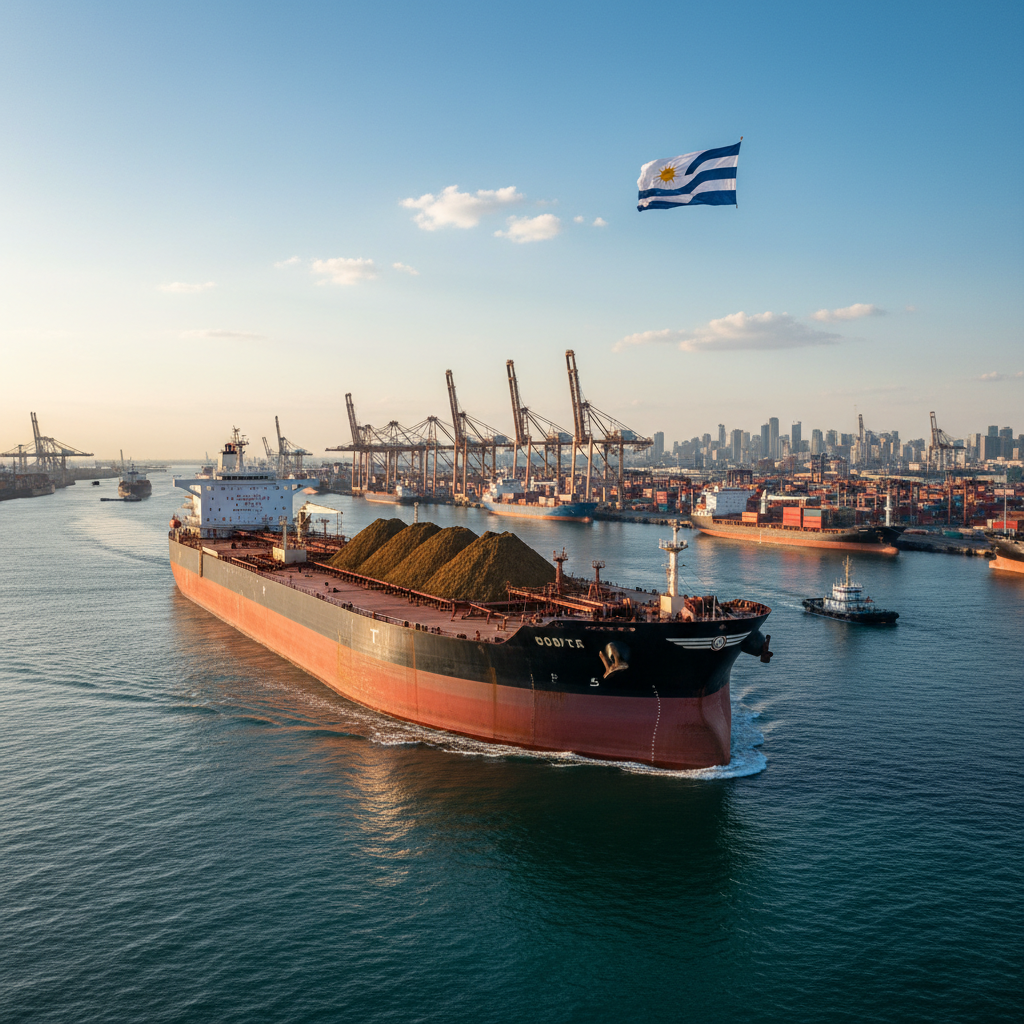
Introduction to Geopolitical Disruption
Geopolitical shifts are increasingly becoming a primary driver of volatility across global supply chains. Far from being isolated political events, these developments ripple through the intricate networks of trade and transport, directly impacting the movement of goods from origin to destination. The recent re-entry of Russian diesel cargoes into their traditional markets, following a period of sanctions and export restrictions, serves as a stark reminder of how rapidly the landscape can change. This shift, driven by policy adjustments, underscores the dynamic nature of international trade and the critical need for supply chain stakeholders to adapt. For logistics professionals, understanding these disruptions goes beyond political analysis; it's about anticipating operational challenges, rerouting strategies, managing costs, and ensuring continuity of supply. The consequences manifest across all modes of transport, from the high seas to the skies, and through the complex web of international trade agreements and tariffs.
Impact on Maritime Routes and Waterways
Maritime shipping, the backbone of global trade, is particularly vulnerable to geopolitical events. Blockades, regional conflicts, or even the imposition and lifting of sanctions can instantly render established routes unviable or, conversely, reopen them. When sanctions were in place, carriers of Russian diesel likely faced significant challenges, including increased insurance premiums, difficulty securing financing, and a shrinking pool of willing buyers and ports. This would have forced a re-evaluation of shipping lanes, potentially leading to longer voyages around restricted zones or through less efficient corridors. The recent decision to suspend sanctions and lift an export ban on Russian diesel cargoes illustrates the reverse effect: traditional maritime routes can be swiftly reinstated. While this might initially seem like a return to normalcy, it creates new dynamics. Vessels that had been diverted to new markets or laid up might now be redeployed, impacting vessel availability and freight rates on other routes. Furthermore, the sudden influx of a commodity like diesel into specific markets can alter regional supply-demand balances, affecting port congestion and onward distribution logistics. The strategic importance of critical chokepoints, such as the Suez Canal, Panama Canal, or Strait of Hormuz, becomes even more pronounced during periods of geopolitical tension, as disruption to these waterways can have cascading effects on global shipping schedules and costs.
Impact on Airspace and Air Cargo
While the specific example of diesel cargoes primarily concerns maritime transport, geopolitical events have equally profound implications for air cargo. Airspace closures, whether due to conflict, sanctions, or retaliatory measures, force airlines to reroute flights, significantly extending journey times and increasing fuel consumption. For instance, restrictions over certain regions can add thousands of miles to transcontinental flights, impacting the efficiency and cost-effectiveness of air freight. This not only drives up operational expenses for carriers but also translates into higher shipping costs for businesses and longer lead times for time-sensitive goods. The ripple effect extends to airport operations, as altered flight paths can strain air traffic control capacities and ground handling services at unexpected hubs. Moreover, the availability of belly cargo space on passenger flights can be affected if geopolitical tensions lead to reduced passenger travel or changes in airline network strategies. The speed and reliability that air cargo typically offers are compromised, forcing supply chain managers to re-evaluate their reliance on this mode for urgent shipments and potentially explore multimodal alternatives, adding layers of complexity and risk.
Consequences for Tariffs and Sanctions
The imposition and subsequent lifting of tariffs and sanctions are direct geopolitical tools with immediate and far-reaching consequences for trade and transport. Sanctions, like those previously affecting Russian diesel, are designed to restrict economic activity, making it difficult or impossible to trade certain goods with specific entities or countries. This creates significant compliance burdens for shippers, requiring meticulous due diligence to avoid penalties. The lifting of such measures, as seen with the return of Russian diesel to traditional destinations, can rapidly reconfigure trade flows. Suddenly, goods that were previously restricted become accessible, potentially flooding markets or creating new competition for existing suppliers. Tariffs, on the other hand, directly impact the cost of goods, influencing sourcing decisions and consumer prices. Both sanctions and tariffs can lead to trade diversion, where goods are routed through third countries or re-labeled to circumvent restrictions, creating opaque and less efficient supply chains. The constant flux of these policies demands extreme agility from businesses, who must continuously monitor regulatory environments and adapt their procurement and distribution strategies to remain compliant and competitive. The financial implications are substantial, encompassing not just increased operational costs but also potential fines for non-compliance and lost market opportunities.
Broader Trade and Transport Implications
The cumulative effect of these disruptions extends far beyond individual shipments. Geopolitical volatility fosters an environment of uncertainty, making long-term planning incredibly challenging for businesses. It compels companies to rethink their global sourcing strategies, potentially leading to a shift towards nearshoring or friend-shoring to reduce exposure to geopolitical risks. This re-evaluation of global supply chain architecture can result in significant capital expenditure and operational overhauls. Furthermore, the increased complexity and risk associated with international trade can deter investment and innovation in certain regions. For transport providers, it means navigating a constantly shifting regulatory and operational landscape, requiring flexible fleet management, dynamic route planning, and robust risk assessment frameworks. The financial implications are pervasive, from fluctuating freight rates and insurance premiums to currency volatility and the cost of maintaining buffer stocks to mitigate potential delays. Ultimately, geopolitical events reshape the competitive landscape, favoring companies that can demonstrate resilience and adaptability in the face of unpredictable global dynamics.
The Role of Visibility in Navigating Disruption
In an era defined by geopolitical uncertainty, real-time shipment visibility is no longer a luxury but a fundamental necessity. For an MGS shipment-visibility control tower, the ability to track cargo movements across all modes – maritime, air, road, and rail – becomes paramount. When sanctions are imposed or lifted, or when airspace is closed, an MGS platform provides immediate insights into affected shipments, allowing for proactive intervention. For example, if a vessel carrying critical components is suddenly rerouted due to new restrictions, the control tower can alert stakeholders, assess alternative routes, estimate new arrival times, and communicate potential delays to downstream operations. Similarly, for air cargo, real-time data on flight path changes and delays enables rapid re-planning. This granular level of insight empowers supply chain managers to make informed decisions, mitigate risks, and minimize the financial and operational impact of disruptions. Beyond reactive measures, an MGS control tower can leverage historical data and predictive analytics to identify emerging risk patterns, allowing businesses to build more resilient supply chain strategies and proactively diversify routes or suppliers before a crisis hits. It transforms raw data into actionable intelligence, ensuring business continuity even amidst significant geopolitical turbulence.
Conclusion
The interplay between geopolitics and global supply chains is a complex and ever-evolving challenge. As evidenced by the recent shifts in Russian diesel cargoes, policy decisions can swiftly reshape trade routes, impact commodity flows, and introduce significant operational complexities for transport and logistics providers. The consequences are profound, affecting everything from freight costs and transit times to sourcing strategies and market competitiveness. In this volatile environment, the ability to maintain clear, real-time visibility into cargo movements is critical. Platforms like the MGS shipment-visibility control tower offer the essential tools for monitoring, analyzing, and responding to these disruptions with agility, enabling businesses to navigate the intricate currents of international trade and emerge resilient in the face of geopolitical change.
Source: Maritime Professional — https://www.maritimeprofessional.com/news/russian-diesel-cargoes-continue-intended-423751